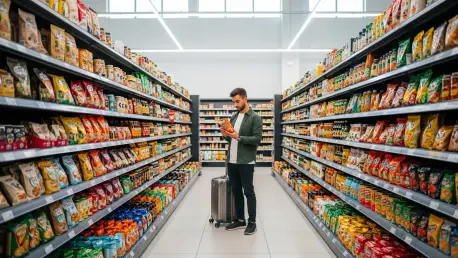

Modern travelers are increasingly bypassing the velvet ropes of historic cathedrals to find themselves wandering through the brightly lit, automated aisles of neighborhood supermarkets. This phenomenon, which has gained significant traction by 2026, reflects a fundamental shift in how people define the concept of a landmark. While traditional monuments offer a curated and often stagnant view of the past, the local grocery store provides a vibrant, living snapshot of a city’s current identity. Here, the pulse of a community is measured not by the height of its statues, but by the contents of its refrigeration units and the specific varieties of snack foods lining the shelves. This transition from passive sightseeing to active cultural immersion suggests that the heartbeat of a nation is found in its daily commerce rather than its ancient history. For those seeking a deeper understanding of a foreign land, the fluorescent-lit aisles offer a more honest narrative than any tour guide could ever provide.
The Allure of Everyday Authenticity
The primary driver behind this behavioral evolution is an intensifying desire for unpolished authenticity in an age where many tourist attractions feel increasingly like stage sets. Unlike the manicured experiences found at major heritage sites, supermarkets are strictly utilitarian spaces designed to serve the actual residents of a city. By navigating these environments, travelers can observe genuine social interactions, from the way locals negotiate self-checkout kiosks to the specific brands of detergents they trust. This lack of artifice allows for a transparent view into the socioeconomic realities of a destination, revealing price points, dietary trends, and cultural preferences that are often obscured in the surrounding tourist districts. Consequently, the grocery store has become a laboratory for social observation where the barrier between the visitor and the visited is temporarily dissolved, providing a level of intimacy that traditional landmarks simply cannot replicate.
Digital media platforms have played a pivotal role in elevating the humble grocery run into a high-status travel activity. Influencers on platforms like Instagram and specialized Reddit communities now frequently curate lists of “must-buy” regional snacks, turning mundane shopping trips into modern-day scavenger hunts. These digital guides often frame the local supermarket as a free museum of contemporary culture where the artifacts are edible and the entrance fee is zero. This trend is particularly prevalent among younger demographics who prioritize experiential journeys over checking items off a traditional bucket list. For these travelers, capturing a photo of a uniquely flavored chip bag or a rare beverage from a Tokyo convenience store carries as much social currency as a photo of the Eiffel Tower. This digital validation has transformed the way people plan their itineraries, ensuring that the nearest high-end grocer or specialized corner store is given priority alongside major museums.
Evolving Consumption Patterns and the Functional Souvenir
Industry data from 2026 indicates that grocery shopping has firmly established itself as a primary motivator for international travel planning. Reports suggest that nearly a third of all international travelers now consciously incorporate local market visits into their daily schedules to better manage their budgets and enhance their cultural experience. This shift allows individuals to adopt a “eat like a local” philosophy, which effectively bypasses the logistical frustrations and inflated costs associated with securing reservations at popular dining establishments. By sourcing fresh regional ingredients directly from the source, travelers can experience the same flavors as the residents without the performative nature of fine dining. This trend is not merely about saving money; it is about reclaiming the independence of the travel experience and finding joy in the simple act of discovering a new brand of yogurt or a specific variety of bread that is unique to a single geographic region.
This cultural realignment has also redefined the very nature of what constitutes a meaningful souvenir in the modern era. In the past, visitors might have settled for mass-produced trinkets or decorative magnets that quickly lost their luster once returned home. Today, the focus has shifted toward functional items that provide a lasting sensory connection to the destination, such as artisanal hot sauces, regional spice blends, and shelf-stable pantry staples. These products allow travelers to recreate the flavors of their journey in their own kitchens, extending the life of the trip through the medium of taste. Bringing home a jar of specialized honey from a Turkish bazaar or a bag of specific pasta from a rural Italian grocer offers a more profound connection to the culture than a standardized gift shop item. These culinary artifacts serve as physical reminders of the specific smells and tastes encountered abroad, turning every meal prepared at home into a small act of travel retrospection.
Financial Advantages and Social Currency
Beyond the pursuit of cultural depth, grocery store tourism serves as a pragmatic response to the ongoing challenges of global inflation and rising travel costs. By patronizing local markets for high-quality regional cheeses, artisan breads, and seasonal fruits, travelers can assemble sophisticated meals for a small fraction of the cost of a typical restaurant bill. This strategy allows for a luxury experience on a modest budget, where one can enjoy world-class charcuterie while sitting in a public park rather than a crowded bistro. Furthermore, branded reusable shopping bags from prestigious international grocery chains have emerged as niche status symbols among the global elite. Carrying a tote bag from a specific high-end market in London or a boutique grocer in Paris signals to others that the traveler has moved beyond the superficial layers of tourism and has successfully integrated into the fabric of the local scene, possessing the knowledge to shop where the residents do.
To truly maximize the benefits of this experience, savvy travelers are advised to seek out stores that cater specifically to local families rather than those located in high-traffic airport zones or expat enclaves. The goal is to treat the snack aisle or the dairy section with the same reverence one might reserve for an art gallery, observing how products are packaged and marketed to the local population. These observations provide invaluable insights into the aesthetic values and nutritional priorities of a society that are often entirely absent from standard guidebooks. For instance, the sheer variety of frozen dumplings in a Shanghai supermarket or the extensive selection of olive oils in a Greek market can tell a visitor more about the national diet than any statistical report. Engaging with the staff, even through limited language barriers, and observing the pacing of the checkout lines can reveal the underlying temperament and social etiquette of a city, offering a nuanced education in modern sociology.
Navigating Logistics and Future Travel Integration
Successfully participating in grocery store tourism requires a firm understanding of the practical logistics involved in transporting edible goods across international borders. While most travelers are eager to bring home a piece of their journey, they must remain diligent regarding the strict customs regulations that govern the import of food items. Generally, commercially packaged spices, sealed sauces, and processed snacks are safe for transport and unlikely to cause issues with border security. However, fresh produce, unpasteurized dairy products, and certain cured meats often trigger heavy fines or immediate confiscation if discovered. To avoid these complications, it is essential to prioritize items that are shelf-stable and properly labeled in their original packaging. By focusing on these types of goods, supermarket tourists can ensure that their curated collection of regional flavors reaches its final destination without legal interference, preserving the integrity of their culinary discoveries for long-term enjoyment.
The rise of the supermarket as a travel landmark represented a significant maturation of the global tourism industry. As travelers moved away from the standardized attractions of the past, they embraced the complexity and honesty of the local market. Future explorers prioritized downloading local grocery apps and researching regional ingredient seasons before departure to ensure maximum cultural integration. This movement fostered a deeper appreciation for the mundane aspects of life and encouraged a more sustainable approach to discovery. Advanced logistical planning became the standard, where visitors utilized specialized packing materials to protect delicate glass bottles and vacuum-sealed containers. These proactive steps allowed for a seamless transition of global flavors into domestic settings. By treating the grocery store as a gateway to cultural understanding, the community successfully redefined the boundaries of adventure and prioritized genuine connection over commercial spectacle.