
The revitalization of the Queen City’s hospitality sector has reached a significant milestone as local planners and developers redefine what it means to host gatherings in an increasingly digital yet socially hungry world. Cincinnati’s diverse architecture offers a backdrop that few Midwestern cities can replicate, ranging from the industrial grit of Over-the-Rhine to the polished elegance of the riverfront districts. In this current climate of 2026, the demand for immersive environments has pushed hospitality leaders to move beyond simple catering into the realm of full-service experiential design. This shift is not merely about providing a room and a meal; it is about crafting a narrative that begins the moment a guest steps through the threshold. By leveraging historic assets and integrating cutting-edge logistical support, the region has established itself as a premier destination for national conferences and high-profile private celebrations alike. This transformation reflects a deeper commitment to quality and community engagement.
Architectural Heritage: Blending Historic Grandeur With Modern Innovation
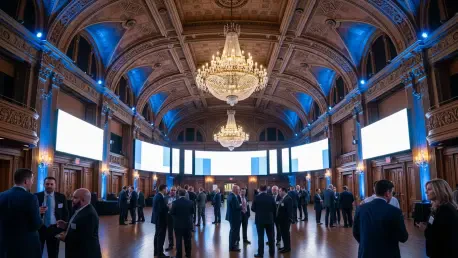
Preserving the soul of the city while installing modern conveniences requires a delicate balance of engineering and artistry. Historic venues such as the Cincinnati Music Hall or the Taft Museum of Art have undergone renovations that respect their original 19th-century craftsmanship while providing the high-speed connectivity and climate control expected in the mid-twenties. These spaces serve as more than just event halls; they are cultural touchstones that provide an immediate sense of gravity and history to any gathering. For organizations seeking to create a lasting impression, the juxtaposition of ornate woodwork and vaulted ceilings with contemporary lighting systems creates a visual depth that modern, “white-box” venues often lack. The focus has moved toward adaptive reuse, where old warehouses and theaters are stripped to their core and rebuilt with a focus on acoustics and natural light. This architectural revival ensures that the city’s past remains a functional part of its vibrant future.
The modern corporate landscape requires a level of technological sophistication that goes far beyond standard projectors and Wi-Fi access. In 2026, premier Cincinnati event spaces have responded by installing integrated augmented reality capabilities and ultra-high-definition streaming hubs to facilitate global participation. These enhancements allow local businesses to host hybrid summits where physical attendees and remote participants interact in real-time without the lag or connectivity issues that plagued previous years. The flexibility of these rooms is paramount, as movable acoustic partitions and modular furniture allow a single ballroom to transform from a keynote theater into a series of intimate breakout rooms within minutes. This adaptability is crucial for multi-day conferences that require a variety of setting styles to maintain engagement and productivity among professional cohorts. By prioritizing technical reliability and structural versatility, these venues have positioned the city as a central node for the tech and bioscience sectors in the Midwest.
Experience Design: Integrating Culinary Artistry and Sustainable Logistics
Beyond the physical structure of these venues, the integration of high-end gastronomy and advanced logistical support has become a non-negotiable standard for top-tier event management. In the current 2026 market, menus are no longer treated as secondary to the location but as an extension of the venue’s brand and personality. Specialized hospitality teams now collaborate with local artisans and sustainable farms to curate dining experiences that mirror the sophistication of the surrounding architecture. Whether it is a formal seated dinner in a grand ballroom or a casual reception, the emphasis remains on seasonal ingredients and innovative presentation. This holistic approach ensures that the culinary aspect complements the visual and acoustic environment, creating a seamless experience for every attendee. The focus on locally sourced produce not only supports the regional economy but also provides out-of-town guests with a genuine taste of the Ohio Valley’s evolving identity.
The transition toward more sustainable and high-tech event hosting in the Queen City was solidified through strategic investments in infrastructure and local partnerships. Event organizers who found the most success were those who prioritized vendor transparency and integrated digital solutions to reduce physical waste. Practical next steps for those entering this space involved conducting thorough site audits to assess energy efficiency and establishing clear communication channels with local culinary teams to ensure zero-waste catering. By focusing on these logistical pillars, planners converted traditional gatherings into meaningful experiences that respected both the environment and the participant. The city’s growth in this sector served as a blueprint for other metropolitan areas looking to balance growth with responsibility. Future planners were encouraged to look beyond the aesthetics of a room and analyze the underlying systems that support connectivity and environmental health. This forward-thinking approach proved that the events of the mid-twenties were not just temporary meetings but catalysts for local economic and social progress.