
By managing thousands of simultaneous connections in a high-density environment, the Movistar Arena serves as a global benchmark for cutting-edge network infrastructure. This shift marks a significant departure from traditional performance models where audiences were merely observers of a pre-planned show. In the current landscape of 2026, the integration of ultra-high-speed connectivity into live music has transformed these gatherings into complex, interactive ecosystems. This evolution is driven by the strategic deployment of advanced telecommunications technology, allowing for a seamless fusion of physical and digital realms. At events like the Jorge Drexler concert, approximately 7,000 fans are no longer just faces in the crowd but active participants in a collective cultural experiment. By leveraging integrated digital platforms, organizers are bridging the gap between artistic expression and audience engagement. This technological backbone ensures that every attendee remains connected, effectively turning a single venue into a massive, interactive community that extends far beyond the stage.
Interactive Engagement and Real-Time Influence
Empowering the Audience: Instant Participation Through Technology
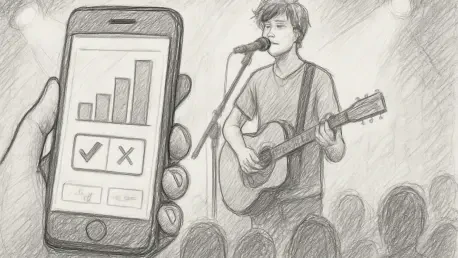
The implementation of real-time audience participation represents a fundamental change in how fans experience live entertainment. During recent high-profile performances, attendees were introduced to a frictionless digital journey that removed traditional barriers such as mandatory app downloads or lengthy registration processes. Instead, the use of unique QR codes displayed on massive arena screens allowed thousands of spectators to access a centralized voting platform simultaneously. This level of accessibility is crucial for maintaining the momentum of a live show, as it enables instant feedback without distracting from the artistic performance on stage. By providing a direct link between the crowd’s preferences and the artist’s actions, connectivity fosters a unique sense of agency among concertgoers. This digital integration ensures that the collective voice of the audience is not just heard through applause but is quantified and reflected in the event’s structure, defining a new era of engagement.
Digital Intimacy: Personalizing the Post-Concert Journey
Beyond live voting, the transformation of the fan journey begins long before the first note is played and continues after the final encore through a dedicated digital strategy. Prior to the event, fans receive exclusive content that provides artistic context and builds anticipation for the show. This pre-concert immersion deepens the audience’s emotional investment, ensuring they arrive with a comprehensive understanding of the artist’s creative process and recent achievements. The interaction does not end with the performance; the following day, attendees receive personalized highlights reels, including special messages from the artist. This sustained connection turns a single night into a multi-day experience, cementing the bond between the performer and the public. By using technology to provide context and continuity, organizers can foster a sense of intimacy that was previously impossible in large-scale venues, making every fan feel like a recognized participant in the artist’s journey.
The Technical Backbone of High-Density Events
Network Resilience: Infrastructure Innovation and Reliability
The ability to support thousands of simultaneous digital interactions requires a sophisticated and resilient technological framework. To manage the sudden surges in data traffic that occur when a voting prompt appears on screen, venues are increasingly relying on cloud-based autoscaling. This technology allows the network infrastructure to dynamically adjust its processing resources in real-time, matching the intensity of user demand without any degradation in service quality. Furthermore, the strategic use of Content Delivery Networks ensures that high-quality multimedia content is delivered quickly and efficiently to every corner of the arena. By distributing the load across various servers, these systems minimize latency and prevent the bottlenecks that often plague high-density environments. This robust backend is the invisible engine that powers modern concerts, ensuring that the digital interface remains available and responsive even when thousands of users attempt to connect to the network.
Advanced Connectivity: Next-Generation Standards for Venues
As of 2026, the standard for premier entertainment venues has been elevated by the widespread deployment of 5G Standalone (SA) and Millimeter-Wave technology. These advanced mobile networks are specifically engineered for ultra-high-density scenarios where traditional networks might struggle to provide consistent coverage. Millimeter-Wave technology, in particular, offers the massive bandwidth necessary for thousands of fans to browse, stream, and share high-definition content simultaneously without congesting the local network. This leap in capacity is complemented by the ultra-low latency of 5G SA, which is essential for synchronization between the stage and the digital devices in the crowd. By doubling the number of mobile network nodes within the arena, service providers have successfully established a new benchmark for venue connectivity. This infrastructure not only supports immediate performance needs but also provides a scalable foundation for future digital innovations in entertainment.
Future Considerations: Developing Sustainable Connected Entertainment
The successful integration of these technologies at the Movistar Arena proved that the future of live entertainment resided in the synergy between human creativity and digital infrastructure. Industry leaders recognized that building a connected ecosystem required more than just fast internet; it demanded a holistic approach to fan engagement and technical reliability. Moving forward, event organizers prioritized the adoption of open standards to ensure interoperability between various digital platforms and venue hardware. They also invested in comprehensive data privacy frameworks to protect the information shared by audiences during interactive sessions. These steps were essential for maintaining the trust of the fans while continuing to push the boundaries of what a live show could be. By focusing on scalability and ease of use, stakeholders established a sustainable model for the next generation of global tours. The lessons learned from these deployments provided a roadmap for transforming passive viewership.