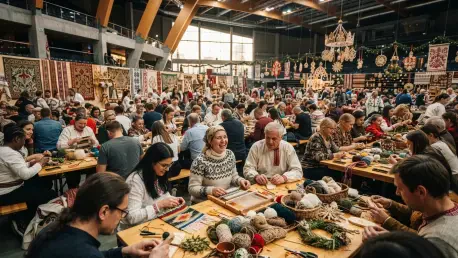

The fair’s ‘Craft Night’ represents a strategic innovation designed to keep folk art relevant by placing traditional knitting and crochet into a modern nightlife context. Held at the Unibet Arena from November 5 to November 7, 2026, Tallinn’s St. Martin’s Fair, or Mardilaat, has transformed into a premier cultural gateway for those seeking to understand the depth of Estonian handicraft traditions. This year marks a significant milestone as the event celebrates its 30th anniversary, reflecting three decades of dedicated efforts by the Estonian Folk Art and Craft Union to foster a connection between master artisans and the general public. For international travelers and locals, Mardilaat provides a concentrated, immersive environment where regional aesthetics and ancient techniques are presented not as museum artifacts, but as vibrant, evolving practices. This meticulously curated exhibition serves as a living history, ensuring that the legacy of Estonian making remains a dynamic force in contemporary society.
Fostering Heritage through Modern Innovation
Bridging the Generational Gap
The 2026 theme, “Oma ja armas käsitöö” or “Our own and beloved handicrafts,” highlights the emotional and cultural value assigned to handmade goods within Estonian society. This sentiment is not merely nostalgic; it is a foundational principle that synthesizes traditional skills with contemporary formats to ensure heritage remains vital for younger generations. Organizers recognize that for folk art to survive, it must be integrated into modern social contexts without losing its core identity. By emphasizing the beloved nature of these items, the fair encourages a personal connection to the objects, transforming them from mere commodities into symbols of national pride and individual creativity. This approach has successfully created a sustainable model where the wisdom of the past informs the innovations of the present, allowing for a seamless transition of knowledge across generations while maintaining the integrity of the original craftsmanship that defines the Estonian soul.
Integrating Tradition into Modern Social Contexts
A standout example of this innovative synthesis is the aforementioned Craft Night, which includes a specialized yarn rave blending rhythmic knitting and crochet with a DJ-led musical atmosphere. This event attracts a younger demographic that might otherwise view folk traditions as distant or outdated, proving that the tools of the past can thrive in the social environments of today. The consensus among the Estonian Folk Art and Craft Union members is that visibility in non-traditional spaces is key to longevity. By removing handicraft from the quiet corners of rural homes and placing it in the spotlight of an urban arena, the fair reclaims the narrative of what it means to be a maker in the 2020s. This strategic modernization does not dilute the technical difficulty or historical significance of the crafts; rather, it provides a new stage for their appreciation. The success of these initiatives demonstrates that cultural resilience is built on the ability to adapt while staying rooted.
Regional Identity and Cultural Tourism
Connecting Remote Traditions to the Capital
From a travel and tourism perspective, Mardilaat significantly enriches Tallinn’s autumn itinerary by offering a compelling reason to visit during the shoulder season. November in Estonia is often defined by its darker, shorter days and colder temperatures, but the fair offers a warm indoor gathering that serves as a necessary counterbalance to the external environment. It acts as a vital bridge for regional makers, many of whom work in remote parts of the country such as the islands or the southern border regions, to bring their local traditions to the capital city. This centralization allows international visitors to experience the full breadth of Estonia’s diverse regional identities in one accessible location. Instead of traveling to every corner of the nation, a visitor can find the unique lace of Haapsalu or the bold colors of Muhu island under one roof. This concentration of talent makes the fair a cornerstone of cultural tourism for the Baltic region in 2026.
Strengthening Authenticity through Direct Engagement
The fair’s direct-to-maker model is essential for enhancing the authenticity of the visitor experience, allowing for a personal connection that goes beyond a standard retail transaction. When a guest purchases a hand-carved wooden bowl or a pair of traditional mittens, they are often buying directly from the person who created them, receiving the geographical and historical context of the item’s origin. This connection strengthens the economic sustainability of rural craft communities by providing them with a large-scale platform to reach new markets. For many artisans, Mardilaat represents the most important sales event of the year, providing the financial support necessary to continue their work in their home regions. This economic link is crucial for maintaining the viability of traditional lifestyles in an increasingly urbanized world. By supporting these makers, the fair ensures that regional dialects, both linguistic and artistic, continue to flourish across the Estonian landscape.
Implementing Strategic Pathways for Cultural Continuity
The organizers of Mardilaat established a vital framework for maintaining Estonian cultural identity by prioritizing active participation over static observation. Through the integration of Craft Night and the Oma ja armas theme, the 30th-anniversary event successfully demonstrated how traditional skills adapted to the expectations of a modern audience. This approach provided actionable insights for other heritage organizations seeking to revitalize local customs without compromising authenticity. The fair’s success underscored the importance of creating centralized platforms that supported regional makers while engaging the youth through accessible pricing and contemporary social formats. Moving forward, the lessons learned from this gathering suggested that the survival of folk art depended on its ability to exist as a functional, beloved part of daily life. By fostering these direct connections between the master and the novice, the fair ensured that the legacy of Estonian craftsmanship remained a resilient and thriving component of the nation’s culture.