
The traditional grip of established ticketing giants in Australia is finally loosening as the arrival of AXS introduces a new era of digital-first competition for the country’s multi-billion-dollar live entertainment industry. For decades, the market operated under a rigid duopoly that often left promoters and fans with limited options and stagnant technological growth. However, the strategic expansion of this global powerhouse has forced a significant recalibration of industry standards across the region. Under the experienced leadership of CEO Andrew Travis, the company is not merely entering the fray but is actively redefining what it means to be a fan-first organization. By prioritizing the attendee experience through advanced digital tools and localized service, the firm is successfully addressing the common frustrations associated with high-demand event access. This shift signals a broader movement away from legacy systems toward a more dynamic and user-centric marketplace where innovation is the primary driver of value.
Challenging the Established Market Status Quo
Strategic Partnerships: Securing the Nation’s Premier Venues
AXS made an immediate impact on the regional landscape by securing exclusive ticketing rights for some of the most iconic and high-traffic venues in Australia, most notably within the Melbourne Park precinct. The inclusion of the Rod Laver Arena into its portfolio represents a massive shift in market power, as this venue serves as the centerpiece for the Australian Open and countless international touring acts throughout the year. Managing such a complex and high-capacity environment requires a level of operational sophistication that few companies can provide, and this successful acquisition served as a proof of concept for the firm’s local capabilities. By demonstrating that it could handle the intense demands of millions of annual visitors across hundreds of diverse events, the company quickly established itself as a credible alternative to the long-standing incumbents. This strategic foothold in Melbourne provided the necessary momentum to expand further into other key metropolitan hubs across the nation.
Market Competition: Breaking the Long-Standing Duopoly
The addition of Sydney’s legendary Hordern Pavilion to the company’s roster further solidified its presence as a major player capable of influencing the national entertainment circuit. This expansion is particularly significant because it offers promoters a viable and modern alternative when planning multi-city tours that require consistent ticketing technology across different states. For a long time, the lack of competition meant that venue operators and promoters were often locked into restrictive agreements with limited room for negotiation or technological upgrades. Now, the presence of a global entity with deep financial backing and a proven track record is encouraging a more competitive bidding environment that benefits the entire ecosystem. This pressure is compelling all market participants to enhance their service offerings, leading to better financial terms for artists and more efficient booking processes for event organizers. The disruption of the status quo is fostering a healthier, more transparent industry.
Innovating the Fan Journey Through Technology
The Mobile ID Ecosystem: Streamlining Digital Entry
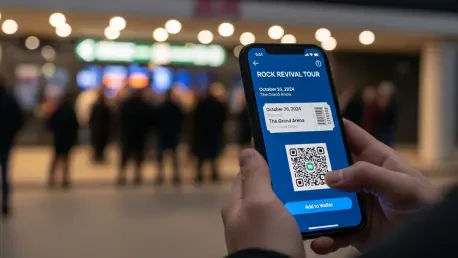
At the heart of this technological revolution is the proprietary Mobile ID system, a digital-first ecosystem designed to eliminate the friction points traditionally found at stadium gates. This technology replaces the antiquated reliance on physical paper tickets or static PDF files with a secure, identity-based digital token linked directly to a fan’s account. When an attendee arrives at a venue, the AXS application generates a dynamic QR code that refreshes every few seconds, ensuring that the ticket cannot be easily screenshotted or duplicated by unauthorized parties. This approach significantly speeds up the entry process, as the system is optimized for rapid scanning and seamless validation in high-density environments. Furthermore, the platform includes user-friendly features such as group entry, which allows a single ticket holder to scan in their entire party with a single gesture. This level of convenience represents a major leap forward in managing the logistical challenges of large crowds.
Security Measures: Protecting Fans From Fraud
Beyond just improving the entry experience, the focus on digital identity provides a robust defense against the chronic issues of ticket scalping and fraudulent activity that have long plagued the Australian market. By housing the entire ticket lifecycle within a single, secure app, the company maintains a clear chain of ownership for every seat sold, which drastically reduces the prevalence of fake tickets on the secondary market. The platform’s integrated resale marketplace allows fans to sell tickets they can no longer use at fair, capped prices, ensuring that the process remains transparent and safe for both buyers and sellers. This closed-loop system effectively shuts out malicious actors who profit from exorbitant markups and deceptive practices, thereby restoring a sense of trust among the general public. By prioritizing security and consumer protection, the firm is setting a new standard for ethical ticketing practices that other players in the region are now under pressure to emulate.
Leveraging Global Networks for Localized Growth
Vertical Integration: The Power of Global Connectivity
The company’s ability to scale so rapidly in Australia is largely attributed to its deep vertical integration with its parent organization, AEG, which operates a vast global network of festivals and arenas. This corporate structure allows the local branch to tap into a wealth of international resources and industry insights that are often unavailable to regional competitors. By functioning as both a ticketing service provider and a stakeholder in the events themselves, the firm gains a unique perspective on the needs of all parties involved in a production. This global-local synergy ensures that Australian fans and promoters benefit from world-class operational standards that have been refined in larger markets like the United States and Europe. Whether it is managing a global tour for a superstar artist or launching a new multi-day music festival, the firm can leverage its expansive infrastructure to provide a level of stability and expertise that is becoming increasingly essential in the modern era of entertainment.
Personalized Marketing: Engaging the Modern Superfan
In an environment where audience attention is fragmented, the platform is using sophisticated data-driven strategies to identify and reward the most dedicated followers of various artists. By integrating with popular streaming services like Spotify, the system can analyze listening habits to ensure that verified fans receive prioritized access to pre-sales and exclusive VIP opportunities. This move toward personalized marketing is a significant departure from the generic, mass-mailing tactics of the past, as it creates a more intimate and effective connection between the performer and the audience. For artists, this means their tickets are more likely to end up in the hands of genuine supporters rather than professional resellers, which helps maintain a positive and energetic atmosphere at live shows. These data insights also allow the company to offer highly targeted rewards and tailored event recommendations, further enhancing the lifetime value of the customer relationship and fostering loyalty within the competitive live music space.
Future-Proofing the Event Experience
Data Insights: Empowering Venue Management
The innovation extends far beyond the consumer-facing app, providing venue managers and event organizers with a powerful suite of back-end tools for real-time data analytics and operational oversight. These platforms allow staff to monitor entry rates, identify bottlenecks at specific gates, and reallocate personnel instantly to ensure a smooth flow of attendees throughout the venue. Access to this level of granular data in real time was previously a luxury, but it has now become a standard requirement for managing modern high-capacity venues effectively. By understanding exactly when and where fans are entering the building, operators can make informed decisions regarding security, concessions, and merchandise staffing on the fly. This operational intelligence not only improves the safety and efficiency of the event but also maximizes revenue opportunities by ensuring that facilities are properly staffed during peak demand periods. The result is a more professional and data-informed approach to the logistics of live entertainment.
Actionable Evolution: The Path Toward Seamless Events
The implementation of these advanced digital frameworks successfully transformed the Australian ticketing landscape into a more competitive and transparent environment for everyone involved. Venue operators and promoters gained access to sophisticated tools that enhanced operational efficiency, while fans benefited from a more secure and streamlined journey from purchase to entry. The transition toward a fan-first model demonstrated that technological innovation could solve long-standing problems like scalping and slow gate entry when applied with a clear strategic vision. Looking ahead, the integration of digital add-ons for pre-purchasing food and merchandise is expected to further reduce wait times and improve the overall atmosphere of live events. Industry professionals who adopted these integrated systems early found themselves better positioned to meet the rising expectations of a modern, tech-savvy audience. This period of change ultimately replaced outdated legacy practices with a more resilient and data-driven infrastructure that set the stage for sustained growth across the region.