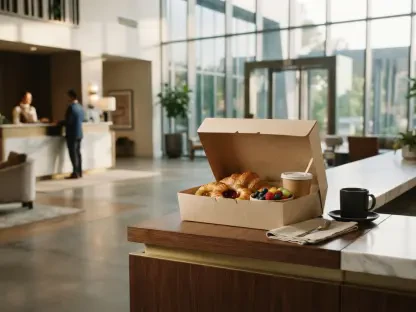

The rhythmic clinking of ceramic plates and the aromatic scent of wood-fired pastries now drift over garden fences that were once strictly off-limits to anyone outside the immediate family circle. This transformation signals the height of the Estonian summer, a period where the nation’s typical reserve is momentarily cast aside in favor of a sprawling, nationwide culinary experiment. Known locally as Kodukohvikute Päev, or Home Cafe Days, this cultural phenomenon sees hundreds of private citizens converting their backyards, garages, and balconies into temporary public restaurants. From the late spring through the early autumn, the physical boundaries of private property dissolve, replaced by a collective desire to share flavors, stories, and the quiet beauty of Estonian domestic life.
What began as a localized effort to boost tourism on a remote Baltic island has evolved into a massive grassroots movement that defines the modern Estonian summer. Throughout the country, these events are not run by professional restaurateurs but by families, neighbors, and hobbyists who offer everything from heirloom sourdough to gourmet fusion dishes. The scope of these cafes is as varied as the landscape itself, stretching from the dense urban apartment blocks of Tallinn to the tranquil orchards of the rural south. It is a time when the entire country seems to sit down at the same dinner table, participating in a social ritual that honors both the labor of the past and the creativity of the present.
Why a Nation of Self-Proclaimed Introverts Invites the Public Into Their Backyards
Estonians often take a certain pride in their reputation for being reserved, yet Home Cafe Days reveal a complex social dynamic that contradicts the “introvert” stereotype. For many residents, the structured environment of a cafe provides a safe and purposeful way to engage with the community. By adopting the role of a host, the individual is given a clear script for interaction, which makes the act of opening one’s private garden to strangers feel less like an intrusion and more like a shared performance. This allows for a unique form of social intimacy where deep connections are formed over a bowl of soup, even if the participants are generally people of few words.
This sudden openness is also driven by a deep-seated pride in personal craftsmanship and domestic aesthetics. There is a specific Estonian term, edevus, which describes a mix of vanity and the desire to showcase one’s skills or belongings to an appreciative audience. In a society that has transitioned rapidly into a digital powerhouse, the home remains a primary venue for self-expression. Hosting a cafe serves as an annual opportunity for citizens to step out of their professional roles and demonstrate their talents as bakers, gardeners, and interior decorators. The event transforms the private home into a gallery of local life, where the host’s personality is reflected in the mismatched vintage chairs and the perfectly manicured flower beds.
The Summer Shift From Private Sanctuaries to Communal Dining Hubs
The transition from a private sanctuary to a communal dining hub requires a significant logistical and emotional shift for the host families. In the small town of Kehra, for example, residents like Heiki Kalvik utilize expansive garden spaces to host large-scale operations that mimic professional countryside restaurants. Beneath the shade of apple trees, guests can find traditional Estonian staples like seljanka, a hearty, tomato-based meat soup that requires hours of preparation. These setups often include industrial-sized tents and professional seating, highlighting the level of dedication that local residents bring to the tradition. The backyard is no longer just a place for family chores; it becomes a theater of hospitality.
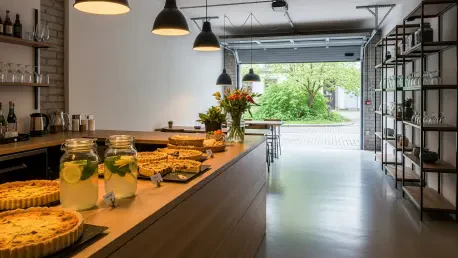
In contrast to these sprawling rural setups, the urban environment offers a more compact and experimental approach to the cafe concept. Within Soviet-era apartment complexes, residents like Karolin Vahtre have been known to convert mundane garages into trendy pop-up spaces serving high-end delicacies like chanterelle quiche and tempura sushi. This demonstrates a fascinating synthesis of traditional Estonian ingredients with global culinary trends. The ability of these hosts to reclaim utilitarian spaces—garages, basements, or even sidewalk patches—and turn them into inviting bistros speaks to a widespread cultural ingenuity. It proves that the size of the property is secondary to the quality of the welcome.
From Garden Soups to High-Rise Ice Cream: The Vast Scale of Local Pop-Ups
The sheer scale of Home Cafe Days is staggering, with over 150 organized events taking place across the country annually. These are not centralized festivals but rather a patchwork of local initiatives coordinated by regional committees and neighborhood associations. Each event carries its own local flavor, ensuring that no two cafe days are ever identical. In the university city of Tartu, the creativity of the hosts often takes a whimsical turn to accommodate the constraints of urban living. Inga Kulmoja, a local resident, gained attention for lowering buckets of homemade ice cream from her third-story window to customers on the street, bypassing the need for a physical garden altogether.
This diversity extends into the specialized culinary offerings that serve as a draw for visitors traveling from across the country. In the southeastern region of Setomaa, the event—known locally as Kostipäiv—is a vital platform for preserving the unique Seto culture. Here, the cafes serve regional specialties like sõir, a traditional homemade cheese, which are rarely found in commercial grocery stores. By visiting these remote locations, travelers gain access to flavors that have been passed down through generations. The cafes act as a bridge between the past and the present, ensuring that ancient culinary techniques remain relevant in a modern, fast-paced world.
How Historical “Coffee Flask” Roots and Modern Integration Drive the Movement
The modern success of Home Cafe Days is deeply rooted in the history of Hiiumaa, Estonia’s second-largest island. In the 19th century, the island’s capital, Kärdla, was home to a textile factory managed by Baltic German barons. The factory workers, many of whom arrived from Central Europe, introduced a sophisticated coffee culture that the local Estonians quickly embraced. The residents became so known for their love of the beverage that they earned the nickname kohvilähkrid, or “coffee flasks,” because they would carry coffee into the fields instead of the more common sour milk. This historical thirst for social coffee drinking laid the groundwork for the first official cafe day in 2007.
Beyond historical nostalgia, the movement is sustained by the Estonian concept of talgud, which refers to communal labor days where neighbors assist each other with physically demanding tasks. While modern life has reduced the need for collective haymaking, the talgud spirit survives through the collaborative effort required to run a home cafe. It is common to see three generations of a family working together, with grandchildren serving lemonade while grandparents oversee the kitchen. This tradition has also become a powerful tool for social integration. For newcomers and refugees, participating as a host offers a way to build immediate bonds with their neighbors, proving that the language of food remains the most effective way to bridge cultural divides.
Navigating the Local Network: Practical Strategies for the Authentic Visitor
For those looking to experience the authenticity of Home Cafe Days, navigating the informal local networks is essential. Because these cafes are temporary and grassroots, information is primarily distributed through local Facebook groups and regional tourism portals under the term Kohvikutepäevad. Successful visitors often plan their routes in advance, moving from village to village to sample different atmospheres. Despite Estonia’s status as one of the world’s most digital societies, these pop-up cafes almost exclusively operate on a cash-only basis. This low-tech approach reinforces the personal, non-commercial nature of the event, reminding visitors that they are guests in a home rather than customers in a business.
The movement essentially functioned as a bridge between the historical ethos of collective labor and the modern necessity for genuine interaction. It proved that even the most guarded borders could be lowered for a plate of food and a shared story. Travelers who engaged with the locals through basic greetings like tere or aitäh found that the experience offered a rare, intimate glimpse into the Estonian soul. The 2026 season demonstrated the lasting power of this grassroots movement, revealing that hospitality functioned as a tool for resilience and social cohesion. Future visitors should look toward smaller, less publicized villages to witness the most authentic expressions of this culture. Moving forward, the focus must remain on maintaining the intimate, family-driven nature of the cafes to ensure the tradition does not become overly commercialized. Through the simple act of opening a garden gate, the people of Estonia managed to turn a quiet summer into a vibrant, nationwide conversation.