
The culinary landscape of Los Angeles is currently undergoing a transformative period marked by the migration of established neighborhood favorites into more prominent, high-traffic districts across the city. This trend signifies a maturation of the local industry, where the experimental grit of the past decade is being replaced by a polished, strategic approach to growth. Rather than betting on unproven concepts or risky culinary avant-garde, the most successful restaurateurs are doubling down on their existing brand equity. They are moving from their original “proving grounds”—the small, often unassuming storefronts in the San Fernando Valley, Downtown L.A., or Pico-Robertson—into expansive, high-profile locations in Beverly Hills, Venice, and Century City. This shift is not merely about increasing table counts; it represents a fundamental change in how the city eats. The prevailing philosophy of “refined accessibility” has taken center stage, pairing elite-level culinary techniques with a welcoming, neighborhood-focused atmosphere. By creating these “third place” environments, restaurants are aiming to become essential parts of the local social fabric. This strategic expansion ensures that the high-quality dining experiences once reserved for special trips across the 405 are now becoming a more integrated and convenient part of the daily routine for residents in the city’s most affluent residential pockets.
Strategic Relocations and Scaling Up
The primary catalyst for this shift lies in the data-driven pursuit of a shifting demographic that prioritizes convenience alongside quality. For nearly a decade, institutions like The Brothers Sushi cultivated a dedicated following in Woodland Hills, but the logistical hurdles of Los Angeles traffic eventually demanded a more accessible presence for Westside patrons. By expanding into Beverly Hills and Santa Monica, the brand solved a significant pain point for its clientele, effectively bringing high-end sushi closer to the people who were already clamoring for it. Similarly, the team behind the French-inspired Coucou recognized a clear pattern as their original Venice regulars began migrating toward the South Bay neighborhoods. In response, they launched a Manhattan Beach outpost that mirrors the lifestyle and proximity of its local supporters. This proactive approach indicates a broader trend where restaurateurs are no longer waiting for diners to embark on cross-town pilgrimages. Instead, they are analyzing residency patterns and setting up shop in the specific zip codes where their loyal fan bases live and work. This transition highlights a move toward a “follow-the-customer” model that values long-term stability over the fleeting hype of a distant, trendy neighborhood.
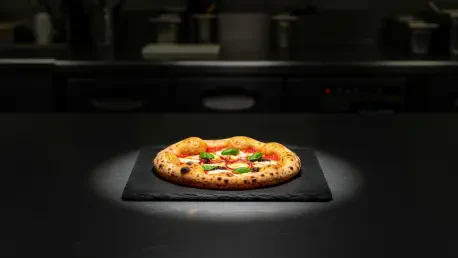
Beyond simple geographic changes, many of the most notable openings in the current cycle represent a significant “graduation” from humble, small-scale operations to sophisticated, full-service destinations. Pizzeria Sei provides a quintessential example of this evolution, having transitioned from a tiny six-table storefront in Pico-Robertson to a significantly more robust operation in Palms. This larger footprint has allowed the establishment to implement a sophisticated wine program and experiment with diverse dough styles, such as the wafer-crisp scrocchiarella, which was previously impossible in their cramped original quarters. The move by BADMAASH to Abbot Kinney in Venice follows a similar trajectory, marking the brand’s most elevated iteration to date. After spending years building a reputation for vibrant Indian flavors in Downtown L.A. and on Fairfax, the new location introduces a full bar and a meticulously designed interior that reflects the family’s artistic vision. These expansions are less about reinventing the wheel and more about providing the necessary infrastructure to fully realize a brand’s potential. By moving into spaces that can accommodate higher production values and more complex menus, these businesses are proving that a successful “neighborhood gem” can scale into a premier culinary landmark without losing its essential character.
Maintaining Signature Flavors Amidst Growth
A critical component of successful expansion in this competitive environment is the preservation of the “core DNA” that initially garnered critical acclaim and public loyalty. Chefs are increasingly wary of over-refining their concepts to the point where they become unrecognizable to their original supporters. Jeremy Fox, the creative force behind Birdie G’s, has been vocal about the importance of bringing “bangers”—the fan-favorite dishes that define a restaurant—into new environments like the Fairmont Century Plaza. Items such as the rose petal pie and the matzo ball soup remain non-negotiable staples, serving as culinary anchors that bridge the gap between the original location and the new, high-profile setting. This focus on consistency is mirrored at BADMAASH, where the Punjabi fish fry and yogurt puffs continue to lead the menu despite the more upscale surroundings of Venice. By maintaining these signature flavors, restaurateurs are able to cultivate a sense of continuity that reassures long-time diners while offering a proven entry point for newcomers. The strategy suggests that while the physical venue might become more sophisticated, the heart of the kitchen must remain rooted in the successes that built the brand. This balance of nostalgic favorites and fresh offerings creates a reliable dining experience that transcends the novelty of a new opening.
This era of expansion also highlights a sophisticated global synthesis, particularly through the application of meticulous Tokyo-style techniques to Western and traditional comfort foods. The influence of Japanese precision is evident in the ways L.A. chefs are currently rethinking everything from pizza dough to seafood preparation. Pizzeria Sei’s use of specific Tokyo-style Neapolitan techniques—involving precise fermentation and a particular crimping method for texture—demonstrates how global perspectives are being woven into the city’s culinary fabric. Simultaneously, brands are finding ways to make traditional ethnic cuisines more approachable to a broad audience without sacrificing the authenticity of their roots. The Mahendro brothers have mastered this at BADMAASH, where Indian spices are paired with a wine list specifically curated to complement bold heat and complex aromatics. This approach effectively bridges the gap between high-concept traditional cooking and the modern, eclectic preferences of the Los Angeles diner. The result is a dining landscape that feels both intellectually stimulating and deeply satisfying, offering flavors that are rooted in heritage but refined for a contemporary palate. As these concepts spread to new neighborhoods, they bring a level of technical excellence that raises the bar for the entire city, proving that “approachable” does not have to mean “simplified.”
The Evolution of Local Culinary Communities
The current dining landscape is increasingly embracing versatile business models that cater to the fast-paced, multi-faceted lives of modern residents. Concepts like Neighborly in Brentwood have redefined the traditional restaurant structure by functioning as high-end marketplace hubs rather than static dining rooms. By housing multiple culinary concepts—ranging from Sicilian pizza and healthy salads to Persian-Armenian kabobs—under a single roof, these venues provide a “third place” that serves various needs throughout the day. A single space might transition from a quiet morning spot for coffee and light bites into a high-energy environment for power lunches, and eventually into a full-service dinner destination for young families. This all-day dining model is a direct response to the community’s demand for high-quality food that fits seamlessly into a busy schedule. By offering both on-site dining and curated items for home consumption, these establishments are becoming essential community assets. This shift toward a “cuisine-savvy food court” model prioritizes efficiency and variety without compromising the ingredient-driven standards that Angelenos have come to expect. It represents a maturation of the industry where convenience is no longer an afterthought but a central pillar of the design, ensuring that the restaurant remains a hub for social interaction and high-end nutrition at any hour.
As the Los Angeles dining scene matured throughout this period of strategic expansion, it became evident that the industry moved toward a future defined by stability and localized excellence. The trend of established brands migrating to affluent residential pockets successfully integrated premier culinary experiences into the daily rhythm of the city. Stakeholders in the restaurant sector prioritized brand consistency over radical reinvention, which solidified the trust between diners and their favorite establishments. For those looking to navigate this changing landscape, the focus shifted toward identifying neighborhood-centric locations that balanced high foot traffic with a strong sense of community identity. Culinary professionals moved to adopt more versatile business models, such as all-day service and hybrid marketplace concepts, to meet the evolving demands of a time-constrained public. These developments suggested that future success in the metropolitan market would depend on a brand’s ability to maintain its unique identity while scaling its operational capacity. The move toward “refined accessibility” provided a blueprint for how high-end dining could thrive by becoming more inclusive and geographically diverse. Ultimately, the industry learned that the most resilient concepts were those that managed to offer an “escape” through transportive design while remaining deeply rooted in the practical needs of the local neighborhood.