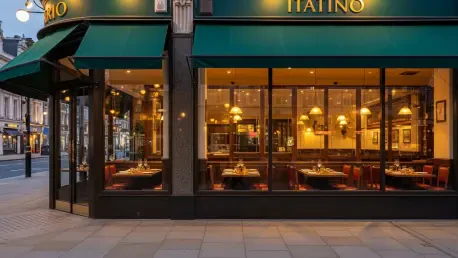

The disappearance of a seventy-year-old institution from the streets of London serves as a sobering reminder that even the most cherished culinary landmarks are not immune to the volatility of the modern global economy. Spaghetti House was more than just a chain; it represented a postwar dream that brought authentic Italian dining to the capital starting in 1955. This article explores why the brand ceased operations in May 2024 and analyzes the implications for the hospitality sector. Readers will learn about the financial struggles and the administrative process that followed the collapse of Lavval Restaurants Limited.
Key Questions or Key Topics Section
What Led to the Sudden Demise of This Culinary Institution?
The collapse of Spaghetti House was the culmination of a “perfect storm” of economic pressures that eroded its foundations. While the brand once enjoyed a sprawling presence across London, its footprint had narrowed to five locations by the time administrators were appointed. These final outposts in Marble Arch, Carnaby, Oxford Street, Kensington, and Soho were unable to sustain the mounting financial losses that plagued the parent company.
In early 2024, the group revealed a pre-tax loss of £177,000, signaling that the traditional business model was no longer viable. Executive Chairman Luigi Lavarini noted that the decision to shutter the brand was made after exhausting every professional avenue for rescue. The closure marks the end of a legacy that survived numerous cycles but eventually succumbed to the harsh environment of high inflation.
How Did Macroeconomic Factors Influence the Final Decision?
Primary drivers behind the failure were rooted in difficult market conditions common for metropolitan dining. Soaring energy bills, rising labor costs, and the increased price of ingredients created high expenses that were difficult to manage. Moreover, the long-term structural impacts of Brexit and the pandemic left the business with less flexibility to navigate market downturns.
Simultaneously, a sharp decline in consumer demand occurred as the cost-of-living crisis forced patrons to cut back on spending. When tourists and locals prioritize essential costs over dining out, heritage brands face an uphill battle. The intersection of inflation and cautious spending created a trap where costs rose just as revenue streams dried up, leaving leadership with no choice but to cease operations.
What Does the Future Hold for the Former Staff and Physical Assets?
The administration process is focused on a controlled wind-down to maximize value for creditors. This involves the realization of assets from the five shuttered locations and the formal termination of company obligations. While the physical sites are permanently closed, the legacy of the brand remains a part of history.
Administrators are also assisting redundant staff members in navigating their claims for statutory entitlements. This human element highlights the social impact of the hospitality crisis, where collective experience is suddenly released into a volatile job market. The process ensures that legal requirements are met while the remaining resources are distributed.
Summary or Recap
The end of Spaghetti House serves as a case study for the fragility of heritage brands. By examining the rise in operational costs and the decline in consumer purchasing power, it becomes clear that long-term stability cannot guarantee survival today. The closure represents a significant loss for the cultural fabric of London, signaling a shift toward a more consolidated dining industry.
Conclusion or Final Thoughts
The fallout from this closure demonstrated the necessity for hospitality ventures to remain agile. Stakeholders recognized that traditional charm was no longer enough to offset the weight of modern overhead. As the industry moved forward, the lessons learned from this journey provided a roadmap for how enterprises might better hedge against volatility. Consumers were forced to reevaluate the cost of maintaining landmarks in a globalized economy.