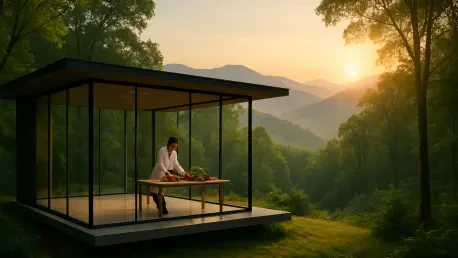

As of 2026, the intersection of rural serenity and cutting-edge biological optimization has fundamentally transformed the expectations of high-net-worth travelers seeking more than just a momentary escape from their professional demands. In previous years, luxury was often defined by excess and isolation, but the modern traveler now prioritizes “regenerative longevity,” a concept that blends traditional pastoral aesthetics with advanced health sciences. This shift represents a significant challenge for legacy resorts that must now integrate complex medical technology without sacrificing the rustic charm that defines their brand identity. At the forefront of this evolution, the Great Smoky Mountains provide a backdrop for a sophisticated wellness ecosystem that leverages its unique topography to foster physiological recovery. By moving beyond the standard spa menu, contemporary destinations are addressing the root causes of urban burnout, utilizing environmental stressors and nutritional specificity to rewire the human nervous system in ways that were previously relegated to specialized clinical facilities.
Integrating Agricultural Heritage: The New Wellness Frontier
Nutritional Science: The Role of Soil Microbiology
The transition from simple organic gardening to precision-focused agrarian nutrition marks a pivotal moment in the hospitality sector’s approach to holistic health. Instead of merely offering seasonal menus, the estate utilizes soil microbiology and seed heritage to maximize the nutrient density of every ingredient harvested for the guest’s consumption. This process involves a meticulous collaboration between agronomists and molecular nutritionists who analyze the mineral content of the land to ensure that the produce supports specific metabolic functions. Guests are no longer just eating well; they are engaging in a targeted dietary intervention designed to reduce systemic inflammation and enhance cognitive clarity through gut-brain axis optimization. This level of detail extends to the preservation of heirloom varieties that possess higher concentrations of phytochemicals compared to commercial equivalents. By treating the farm as a biological laboratory, the facility ensures that every meal serves as a foundational component of a comprehensive wellness strategy, effectively bridging the gap between fine dining and preventative medicine.
Environmental Immersion: The Psychology of Active Foraging
Beyond the consumption of high-density nutrients, the psychological benefits of active participation in a working farm environment have become a cornerstone of modern stress management. Research into “biophilia” suggests that structured engagement with the land, such as guided foraging or artisanal craftsmanship, significantly lowers cortisol levels and promotes neural plasticity. The property encourages guests to interact with the landscape through tactile experiences that reconnect the individual with the rhythms of the natural world, a stark contrast to the digital saturation of metropolitan life. These activities are not merely recreational; they are curated therapeutic modalities that leverage the sensory richness of the forest and pasture to induce a state of “soft fascination.” This cognitive state allows the prefrontal cortex to recover from the demands of constant analytical processing, leading to improved decision-making capabilities and emotional resilience. By integrating the physical demands of rural life into the guest experience, the resort provides a unique form of “functional movement” that surpasses the artificiality of traditional fitness centers, fostering a deeper sense of purpose and connectivity.
Technological Integration: Enhancing Biological Recovery
Circadian Control: Engineering the Interior Environment
To complement the outdoor experiences, the indoor environments have been engineered to function as sophisticated recovery chambers that prioritize the body’s natural circadian rhythms. The integration of advanced lighting systems that shift in spectral composition throughout the day ensures that guests maintain optimal melatonin and cortisol balance, which is often disrupted by global travel and screen exposure. These architectural interventions are supported by air purification technologies that utilize HEPA-grade filtration and botanical bio-filters to eliminate volatile organic compounds and allergens, creating a pristine respiratory environment. Soundscapes are equally managed, with acoustic engineering designed to isolate guests from mechanical noise while emphasizing the calming frequencies found in the surrounding Appalachian wilderness. This holistic approach to environmental design recognizes that true wellness cannot be achieved in a vacuum; it requires a controlled setting where every variable is tuned to support the restorative processes of the human body. By merging rustic aesthetics with invisible, high-performance technology, the estate provides a sanctuary where sleep quality and physiological recovery are significantly enhanced.
Precision Wellness: The Transition to Longevity Planning
The implementation of non-invasive biometric monitoring and personalized health data analysis allowed the facility to offer a level of customization that was previously unattainable in a hospitality setting. By synthesizing real-time physiological markers with nutritional and environmental inputs, the resort’s advisors provided actionable insights that guests carried back into their daily routines. This data-driven approach ensured that the benefits of the stay were not transient, but served as the catalyst for long-term lifestyle shifts. As wellness continued to evolve, the focus shifted toward “proactive longevity,” where the integration of genomic testing and microbiome analysis became standard features of the luxury retreat experience. Stakeholders in the industry recognized that the next frontier involves the creation of a continuous feedback loop between the resort and the home environment, ensuring that lessons learned on the farm are reinforced through smart technology. This transition represented the ultimate refinement of luxury wellness, setting a precedent for how the hospitality industry addressed the complex biological needs of the modern workforce.