
The vast plains of the Serengeti and the towering heights of Mount Kilimanjaro represent more than just iconic landmarks; they are the heart of a delicate ecosystem that demands sophisticated management to survive the pressures of global travel. Tanzania National Parks, known as TANAPA, has moved beyond traditional conservation roles to become a primary architect of high-end, sustainable tourism that prioritizes ecological integrity over mass-market volume. This shift is visible in the recent implementation of strict carrying capacity limits and the expansion of protected zones that now cover nearly fifteen percent of the national landmass. By balancing the economic necessity of foreign exchange with the moral obligation of habitat preservation, the organization has set a new benchmark for the entire continent. Travelers arriving today find a system that is significantly more organized and tech-savvy than in previous decades, reflecting a deep commitment to excellence that defines the modern safari experience for every visitor.
Integrating Advanced Monitoring and Ecological Protection
Modern conservation efforts in Tanzania have undergone a radical transformation through the adoption of integrated surveillance technologies that allow rangers to respond to threats in real time. The EarthRanger platform serves as the central nervous system for several flagship parks, aggregating data from satellite-linked collars on elephants and lions, as well as digital radio feeds from field units. This technological layer enables the organization to identify poaching hotspots before incidents occur, effectively shifting the strategy from reactive patrols to predictive interventions. Furthermore, the use of unmanned aerial vehicles has provided a significant advantage in monitoring remote areas where ground access remains difficult. These innovations do not merely protect the wildlife but also enhance the safety of visitors who venture into these wilderness areas. The precision of this data-driven approach ensures that the “Big Five” remain a consistent draw for international tourists who value both security and biological authenticity.
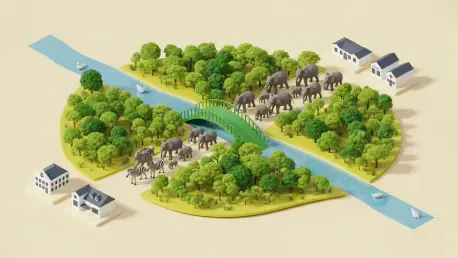
Beyond surveillance, the focus has expanded to include the revitalization of migratory corridors that were previously threatened by human encroachment and habitat fragmentation. TANAPA has spearheaded collaborative land-use planning initiatives that involve mapping traditional wildlife routes and securing them through legal easements and community agreements. This holistic view of the landscape ensures that isolated parks do not become “islands of extinction” but remain part of a larger, functional ecosystem. Recent efforts have specifically targeted the corridor between the Tarangire and Manyara regions, allowing for a more natural flow of gene pools and reducing human-wildlife conflict. Such initiatives are critical for maintaining the authentic safari experience that high-value tourists expect, as they provide opportunities to witness large-scale animal movements. By prioritizing biological connectivity, the management ensures that the natural spectacles of the wilderness are preserved for the benefit of global biodiversity and the tourism sector alike.
Modernizing Infrastructure and Community Resilience
The physical infrastructure within the national parks is currently being overhauled to reflect a philosophy of low-impact luxury that aligns with global environmental standards. Construction projects now utilize permeable paving materials and locally sourced stone to ensure that roads do not disrupt natural drainage patterns or animal movement. New administrative buildings and ranger posts are being outfitted with advanced solar arrays and water recycling systems, significantly reducing the carbon footprint of the park operations. This commitment to “green” infrastructure extends to the private sector, where lodge operators must adhere to stringent environmental audits to maintain their concessions. These regulations mandate zero-waste policies and the elimination of single-use plastics within the park boundaries, fostering a culture of sustainability. The result is a high-quality aesthetic that feels integrated with the landscape, meeting the expectations of the eco-conscious global traveler who seeks a harmony between comfort and wild nature.
Economic sustainability was inextricably linked to the well-being of the communities living on the periphery of protected areas, which prompted a new era of inclusive conservation. The revenue-sharing model implemented by the agency ensured that a portion of every park entry fee was directly funneled into social development projects like schools and health clinics. This strategy successfully turned local residents into active stakeholders in the success of the tourism industry, as they witnessed tangible benefits from the protection of wildlife. Furthermore, the complete digitization of visitor management eliminated the logistical bottlenecks that were once common at park gates. To maintain this trajectory, leadership focused on diversifying the tourism circuit to relieve pressure on northern parks while exploring innovative carbon credit programs. These strategic reforms ultimately secured the biological assets and established a durable blueprint for other nations seeking to balance development with conservation in the modern era.