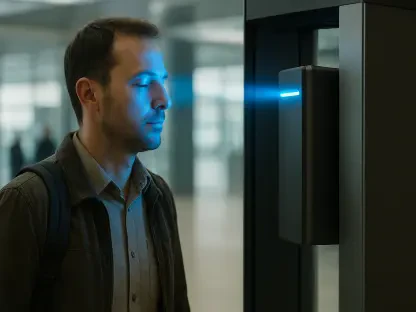

The buzzing floor of San Antonio’s Henry B. González Convention Center currently serves as the epicenter for a radical shift in how the hospitality industry perceives guest technology and operational efficiency. Innspire has positioned itself at the forefront of this evolution by unveiling a suite of unified AI solutions that challenge the long-standing dominance of fragmented legacy systems within hotels. As travelers increasingly expect a digital-first experience that mirrors their highly connected home lives, the pressure on hotel operators to modernize has reached a critical tipping point. This transition is not merely about adding new gadgets but rather about fundamentally rebuilding the guest journey on a foundation of hyper-personalization and intelligent automation. The current industry environment, characterized by persistent labor shortages and rising operating costs, makes these innovations essential for maintaining profitability. By integrating disparate services into a single ecosystem, hotels can finally move beyond the limitations of the past and offer a truly seamless stay.
Streamlining Operations: The Role of Unified Platforms
Centralizing the guest experience requires a sophisticated hub capable of managing every digital touchpoint through a unified interface. The Guest Journey platform fulfills this role by merging mobile access, engagement tools, and in-room technology into a singular, intuitive dashboard for hotel operators. This consolidated approach eliminates the need for staff to toggle between dozens of different applications, which historically led to data silos and mismanaged requests. By providing a holistic view of the entire stay, the platform ensures that housekeeping, concierge, and front-desk teams are always on the same page regarding guest needs. Moreover, this visibility allows for more proactive service, as staff can identify potential issues before they escalate into guest complaints. As properties move toward leaner staffing models, having a central nervous system for operations becomes the only viable way to maintain the high-touch service standards that define luxury and midscale brands alike.
Automation serves as the backbone of modern property management, and the Guest Flows feature provides the necessary orchestration for daily operational tasks. This system removes the logistical burden from human staff by handling routine processes such as coordinating cleaning schedules based on real-time room occupancy and sending automated welcome instructions. By utilizing data points from across the property, the system can trigger specific actions without manual intervention, such as alerting maintenance to a faulty air conditioning unit reported through the app. This level of synchronization ensures that no task falls through the cracks, even during peak check-in periods when the lobby is at its busiest. Furthermore, these automated workflows allow human employees to reclaim their time, shifting their focus away from administrative drudgery and toward meaningful face-to-face interactions. In an era where every minute of labor is a precious resource, streamlining these repetitive actions translates directly into better service and higher morale.
Enhancing Service: AI Integration and Mobile Flexibility
The introduction of a dedicated AI Concierge marks a major advancement in the way hotels manage guest inquiries and service requests at any hour. This digital assistant is capable of processing complex natural language queries, providing instant answers about on-site dining hours, local transportation options, and specific hotel policies. Unlike basic chatbots of the past, this system is deeply integrated with the hotel’s operational backend, allowing it to execute requests such as scheduling a late checkout or ordering extra pillows directly. If a guest presents a nuanced concern or an emotional complaint that requires human empathy, the AI is programmed to recognize the shift in tone and immediately hand the conversation over to a live staff member. This hybrid approach ensures that efficiency never comes at the cost of genuine hospitality. By handling the high volume of routine questions, the AI Concierge prevents front-desk bottlenecking and ensures that every guest receives a response in seconds rather than minutes.
Modern travelers increasingly prefer to manage their stay through their own devices, making a robust mobile-first suite a non-negotiable part of the guest experience. The latest iterations of digital key technology and remote check-in/out capabilities allow guests to bypass the traditional front desk entirely, moving straight from their car to their room. This frictionless entry not only enhances the sense of autonomy for the guest but also significantly reduces congestion in common areas, creating a more relaxed atmosphere throughout the lobby. Beyond just door access, the mobile platform serves as a remote control for the entire stay, enabling guests to adjust room temperatures or browse the room service menu from the palm of their hand. Integrating these features into a single, cohesive app experience reduces the friction often associated with downloading multiple pieces of software for a single trip. As high-speed connectivity becomes more ubiquitous, these mobile tools are evolving from luxury add-ons into the primary interface through which guests interact with their environment.
Maximizing Profitability: Contextual Upselling and Smart Media
Revenue generation in the modern hospitality sector depends heavily on the ability to present the right offer to the right guest at the exact moment of need. Contextual upselling tools embedded within the guest platform move away from the intrusive, blanket advertisements that guests typically ignore. Instead, the system leverages guest profile data and real-time behavior to suggest relevant upgrades, such as a spa treatment for a traveler who has just arrived after a long flight or a late-night snack for someone returning after a show. This data-driven approach turns every digital interaction into a potential profit center while actually improving the guest’s perception of the brand. By presenting these offers as helpful suggestions rather than aggressive sales pitches, hotels can drive incremental revenue growth without negatively impacting the guest experience. This subtle integration ensures that properties are maximizing the value of every booking while providing a level of personalized attention that guests have come to expect from high-end service providers.
In-room entertainment is undergoing a significant renovation with the deployment of the InnSmart TV system, which aligns the hotel experience with the streaming habits of modern consumers. By supporting industry standards like Google Cast and Apple AirPlay 2, the system allows guests to securely stream their own subscriptions and content directly to the room’s large-screen television. This eliminates the frustration of navigating unfamiliar cable menus or being restricted to a handful of local channels. For properties with a mix of hardware, the system is designed to work with both the latest smart TVs and older sets through discrete HDMI connectors, providing a consistent user interface across the entire building. This flexibility allows hotel owners to modernize their guest rooms without the need for a full, costly hardware replacement. Furthermore, by providing a “home-away-from-home” entertainment setup, hotels can significantly boost guest satisfaction scores while simultaneously reducing the volume of technical support calls related to television issues.
Future Considerations: Transitioning to Integrated Guest Ecosystems
Transitioning to a unified guest ecosystem requires a strategic approach that prioritizes data integrity and staff training over mere technological acquisition. Success in this area is found by those who view AI and automation as partners to their workforce rather than replacements for human talent. Hoteliers should focus on phases of implementation that start with high-impact areas, such as mobile entry and automated messaging, before moving to more complex integrations like predictive maintenance. It is also vital to ensure that all disparate systems, from the point of sale to the property management software, can communicate through open APIs to prevent the re-emergence of operational silos. Data privacy must remain a central pillar of this strategy, as the hyper-personalization that drives revenue also requires high levels of trust from the guest. By building a transparent framework for data usage, hotels can leverage the full power of AI while maintaining the guest confidence necessary for long-term brand loyalty in an increasingly digital world.
The unveiling of these unified solutions at HITEC confirmed that the path forward for hospitality lies in the deep integration of technology and human service. Operators who embraced these tools saw immediate improvements in both labor efficiency and guest satisfaction metrics throughout the recent quarter. By moving away from fragmented software and toward cohesive platforms, hotels finally addressed the chronic bottlenecks that hindered property performance for years. The focus shifted from managing technology to using technology to manage the guest experience more effectively. These advancements demonstrated that the goal of automation was never to remove the human element, but to empower it by removing the administrative barriers to genuine hospitality. Looking ahead, the industry moved closer to a model where every guest interaction was informed by data and every operational task was optimized for speed. This evolution set a new benchmark for what travelers expected, ensuring that only those properties committed to unified innovation remained competitive in a rapidly changing global market.