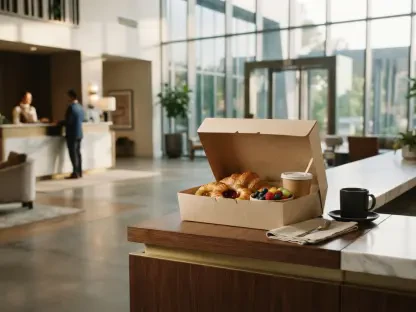

The standard office desk once served as a graveyard for neon-colored highlighters and flimsy plastic water bottles that inevitably leaked after a single use. Professional gift-giving has long been dominated by a sea of generic, branded plastic—items that move straight from the delivery box to the bottom of a desk drawer. While a logo-stamped highlighter or a cheap pair of sunglasses might seem like an easy win for a marketing department, these items rarely foster a genuine connection. Professionals now crave authenticity; the shift toward handcrafted, high-quality alternatives like artisanal cookies proves that a meaningful gesture is worth far more than a warehouse-sourced gadget.
The Death of the Branded Plastic Trinket and the Rise of Intentional Gifting
The corporate world is witnessing a significant transformation in how appreciation is expressed to clients and employees. Traditional “swag” is increasingly viewed as disposable, with industry experts noting that generic items are frequently discarded, leading to wasted budgets and missed opportunities. Today’s professionals prioritize brand values and identity; they want to know that a company cares enough to select a gift with a backstory. This shift is driven by a need for deeper professional connections and a desire to move away from the impersonal nature of mass production toward something that reflects a high standard of quality.
By choosing unique items, companies signal that they value the individual rather than just the business transaction. This move toward intentionality creates a foundation for long-term loyalty that superficial branding cannot achieve. When a gift feels curated rather than automated, it transforms the perception of the sender from a vendor to a partner.
Understanding the Modern Cultural Shift from Mass-Produced Swag to Relationship Gifting
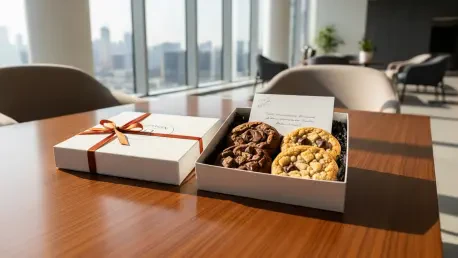
The success of handcrafted gifts lies in their ability to provide a multi-sensory experience that mass-produced items cannot replicate. For example, Chocolate Shipped Cookies leverages forty-year-old family recipes developed by Sandra Cutler in the 1980s to provide a sense of nostalgia and comfort. By offering gourmet flavors such as lemon meltaways, brownie mint, and classic snickerdoodles, companies can send a gift that feels personal and “homemade.”
This artisanal approach tells a story of heritage and care, signaling to the recipient that the sender values the relationship enough to prioritize quality over convenience. The tactile nature of fresh-baked goods creates a lasting impression that a digital gift card or a plastic trinket simply fails to achieve. Recipients respond more favorably to gifts that represent a tangible investment in their satisfaction.
How Heritage, Storytelling, and Artisanal Quality Transform the Recipient Experience
Industry analysis suggests that the emotional resonance of a gift is significantly amplified when it is unexpected. While most corporate outreach is concentrated in the December holiday rush, savvy businesses are now advocating for summer deliveries to generate “Q2 and Q3 goodwill.” Experts find that artisanal gifts with a rich backstory foster significantly higher brand loyalty than generic items.
By providing a handcrafted treat during the quieter summer months, a company’s gesture stands out, creating a “meaningful summer surprise” that strengthens bonds with investors and employees alike. This strategy moves beyond the noise of the winter season, ensuring the gift receives the attention it deserves. Strategic timing allows a brand to remain top-of-mind throughout the entire business cycle.
Leveraging Expert Insights on Multi-Sensory Engagement and Strategic Timing
To move away from generic corporate swag, businesses should adopt a streamlined, high-touch gifting strategy that prioritizes impact over volume. First, identifying a gift that offers a tangible, sensory experience—such as gourmet treats that remind recipients of home-cooked quality—is essential. Second, focusing on logistical efficiency by utilizing services that offer nationwide shipping and easy online ordering ensures the gift arrives fresh and on time.
Personalization is the final layer of this transition. By including custom notes and choosing strategic delivery windows outside of the traditional holiday season, a brand ensures its message is heard. These tactics replace the “spray and pray” method of bulk shipping with a precision approach that honors the recipient. This evolution in strategy turns a simple expense into a valuable investment in human capital.
Practical Steps for Transitioning to a Meaningful Year-Round Appreciation Program
Leadership teams prioritized personalizing the experience by including custom notes and choosing strategic delivery windows outside of the traditional holiday season. Successful organizations integrated gifting into their broader customer success frameworks, ensuring that appreciation became a consistent part of the corporate culture. These steps shifted the focus from mere brand exposure to authentic community building.
The transition away from disposable plastic reflected a broader commitment to sustainable and meaningful professional interactions. Organizations that adopted these handcrafted solutions reported stronger interpersonal ties and higher retention rates. Ultimately, the move toward artisanal quality proved that small, thoughtful gestures defined the future of professional relationship management.