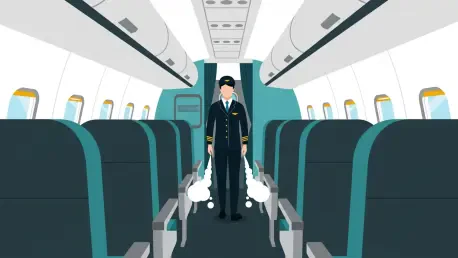

Travelers sitting on a packed flight from the lush island of Madeira might find themselves momentarily startled as cabin crew walk down the aisles discharging aerosol cans into the sealed air of the aircraft. This process, formally known as disinsection, involves the distribution of insecticide within the cabin after the doors are closed but before the plane departs for its destination. While the sight of a mist filling the cabin may cause concern for those unfamiliar with international health protocols, it is a standard procedure mandated by national and international health authorities to prevent the spread of vector-borne diseases. Airlines like easyJet and TUI are legally obligated to perform these actions to comply with strict biosecurity regulations that protect the public from invasive species. This practice ensures that insects capable of carrying dangerous pathogens do not hitch a ride to new regions where they could establish a local population and threaten the ecosystem. It is a calculated measure for safety.
Regulatory Requirements and Global Health Standards
The primary motivation behind these stringent measures is the control of mosquitoes, specifically the Aedes aegypti species, which is a notorious vector for transmitting dengue fever, Zika virus, and yellow fever. Portuguese health regulators, following the guidelines set forth by the World Health Organization, have identified Madeira as a region where such precautions are essential to mitigate international public health risks. When a flight leaves an area known for high insect activity, there is a legitimate danger that a single stowaway mosquito could initiate an outbreak in a previously unaffected country. This is particularly relevant as global travel patterns become increasingly complex from 2026 to 2030, requiring more robust defenses against biological threats. The World Health Organization provides a list of approved chemical compositions that are deemed effective for this purpose while remaining safe for the individuals inside the vessel. This harmonization allows carriers to follow a singular set of international rules.
Despite the initial shock some passengers might experience, the insecticides utilized during disinsection are strictly regulated to ensure they meet rigorous human safety standards. These substances are non-flammable and are specifically formulated to be environmentally friendly, minimizing the potential for long-term ecological damage or immediate harm to the aircraft’s technical systems. To further reduce any chance of localized irritation to the eyes or respiratory tract, airline personnel typically advise passengers to cover their noses and mouths with a cloth or a sleeve during the application. This recommendation is especially critical for travelers with pre-existing conditions such as asthma or chronic obstructive pulmonary disease, as the aerosolized particles could trigger a sensitive reaction. However, the medical consensus among aviation experts suggests that the benefits of preventing a mosquito-borne epidemic far outweigh the temporary discomfort of a thirty-second spray. It is a trade-off that maintains a high level of global biosecurity.
Broad Implementation and Future Considerations
Madeira is far from the only location where these biological protocols are in effect, as many countries across the globe enforce similar rules to protect their unique environmental landscapes. Destinations such as India, Thailand, Jamaica, and even parts of Italy have implemented disinsection requirements to address local concerns about invasive species and disease transmission. The specific necessity of these treatments is determined by the arrival country’s national authorities, who assess the risk based on the departure point’s ecological profile and current health data. For example, a flight arriving from a tropical climate into a temperate zone might be subject to different rules than one moving between two similar environments. As biodiversity continues to be a priority for nations from 2026 and beyond, these protocols will likely expand to cover more routes and a wider variety of potential insect threats. This proactive strategy ensures that the rapid speed of modern aviation does not become a catalyst for the uncontrolled movement of pests.
International aviation authorities coordinated with health departments to refine these processes, ensuring that the chemicals used were the least intrusive options available. Future developments in cabin filtration and non-chemical pest deterrents were explored to provide alternative solutions that might eventually replace aerosol sprays altogether. Travelers were encouraged to research the specific entry requirements of their destinations to avoid surprises during the boarding process. By understanding that these measures were a critical component of global health defense, passengers were able to better prepare for the minor inconveniences of modern air travel. The success of these programs relied heavily on the cooperation between airlines, regulatory bodies, and the public to maintain a barrier against the spread of infectious diseases across borders. Ultimately, the industry moved toward more integrated and transparent biosecurity measures that prioritized the long-term safety of the global population while maintaining the efficiency of international flight.