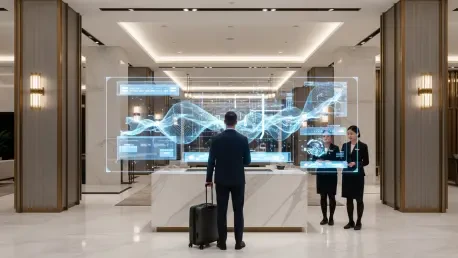

The modern luxury hospitality sector is currently navigating a fascinating paradox where the industry enjoys an unprecedented economic golden age while simultaneously facing a period of intense self-reflection regarding how it delivers on its fundamental promises. High-net-worth travelers today are seeking more than just opulent décor and gold-plated amenities; they are demanding a frictionless, intuitive experience that matches the sophistication and fluidity of their personal digital lives. This analysis explores the trajectory of luxury innovation, examining how the world’s premier brands are attempting to reconcile record-breaking growth with the significant technical and operational challenges of the modern era. By diving into the shift from traditional high-touch service to high-tech seamlessness, the investigation uncovers how the next generation of premium travel is being meticulously constructed.
The Evolution of Luxury: From Traditional Opulence to Digital Seamlessness
Historically, luxury hospitality was defined by high-touch service which prioritized human interaction, anticipatory staff, and physical grandeur. For decades, the industry relied on these foundational elements to justify premium rates and maintain brand prestige. However, the current landscape has shifted significantly into a new phase. The market is witnessing a robust 23 percent increase in luxury room supply by 2027, accompanied by substantial rate hikes that have redefined the baseline for premium stays. This economic strength is not merely a transient rebound but a structural shift in consumer behavior that places a heavy premium on time and ease of use.
Understanding this background is vital because it highlights a burgeoning tension within the sector. Guests are paying more than ever, which means their tolerance for operational friction or technical malfunctions has reached an all-time low. The traditional markers of luxury—expensive linens and fine dining—are now considered the bare minimum, while the true differentiator has become the ability of a property to anticipate a guest’s needs without creating unnecessary hurdles. This evolution demands a complete rethink of how service is delivered, moving away from purely manual processes toward a sophisticated hybrid model that utilizes technology to empower human hospitality.
Bridging the Gap Between Operational Realities and Elevated Expectations
Resolving the Friction Between In-Home Tech and In-Room Infrastructure
A primary challenge facing luxury hotels today is the widening disparity between the technology guests use at home and the fragmented systems they encounter in their suites. Modern travelers live in intuitive digital ecosystems where their preferences are remembered, their smart homes respond to voice commands, and their streaming services are always logged in. In contrast, the hotel room often presents a source of frustration characterized by confusing interfaces and cumbersome authentication processes. Innovation in this area is no longer about adding more gadgets; it is about achieving total seamlessness.
Industry leaders are now focusing on removing these digital hurdles, ensuring that the transition from a guest’s personal device to the hotel’s infrastructure is completely invisible. The goal is to make luxury synonymous with ease, ensuring that technology serves the guest rather than becoming a chore they must manage during their stay. By prioritizing user-centric design, hotels can restore the sense of relaxation that technical glitches often disrupt. This shift requires a deep commitment to interoperability, where different hardware and software components work in harmony to provide a unified experience.
Navigating Structural Hurdles: Legacy Systems and Staffing Constraints
The path to a frictionless guest experience is often blocked by technical debt, which refers to the reliance on outdated Property Management Systems (PMS) that cannot communicate effectively with modern applications. These legacy systems act as significant bottlenecks, preventing the flow of data necessary for true personalization. Furthermore, there is a significant human element to this challenge as hotel staff are often experts in hospitality but lack the technical training to troubleshoot complex digital failures. This skill gap creates a situation where the promise of a smart room often fails at the execution stage.
To solve this, some forward-thinking organizations are moving away from third-party legacy software entirely to build proprietary tech stacks that allow for greater agility. By owning their foundational code, these brands can bypass the limitations of the past and offer a level of service that traditional operators find difficult to replicate. This move toward vertical integration allows for faster updates and a more tailored approach to guest services. Moreover, it empowers staff by providing them with more reliable tools, reducing the time they spend managing system errors and increasing the time they spend interacting with guests.
The Complexity of Data Ownership and Global Privacy Fragmentation
Innovation is also complicated by the convoluted nature of hotel ownership and data management. In many cases, the entity that owns the physical building does not own the digital relationship with the guest due to complex franchise agreements and stringent global privacy laws. This fragmentation makes it incredibly difficult to provide a consistent experience across a global portfolio. A guest’s preferences at a flagship property in Paris may not be accessible to a sister property in New York, leading to a repetitive and impersonal check-in process.
Addressing this requires a fundamental shift in how asset managers and operators collaborate on data strategy. Overcoming these silos is essential for luxury brands to create a unified digital identity for their guests, allowing for a personalized stay regardless of the specific property or geographic location. Achieving this requires a balance between personalization and privacy, ensuring that guest data is used to enhance the stay while strictly adhering to international protection standards. Those who successfully navigate this regulatory and operational maze will be better positioned to build long-term loyalty in a competitive market.
Anticipating the Next Wave: AI and Proactive Service Models
Looking ahead, the future of luxury hospitality lies in the transition from reactive to proactive service models. Emerging technologies, such as real-time system monitoring, allow hotels to identify and fix technical issues—like a malfunctioning streaming service or a climate control glitch—before the guest even noticed. This invisible service preserves the illusion of perfection that luxury travelers expect and value. Rather than waiting for a complaint, the property acts as a silent guardian of the guest experience, maintaining the high standards of the brand through constant, automated vigilance.
Furthermore, Artificial Intelligence is poised to become the ultimate concierge. Rather than just automating basic tasks, AI is being used to analyze guest data to anticipate needs with uncanny precision. Whether it is adjusting room lighting based on a guest’s circadian rhythm or suggesting a curated itinerary based on past preferences, the next wave of innovation used intelligence to restore the human feel of hospitality through high-tech means. The successful integration of AI will not replace the staff but rather provide them with the insights needed to deliver even more personalized and impactful service.
Strategic Blueprints for Navigating the New Luxury Landscape
For businesses and professionals within the sector, the key takeaway is that innovation must be purposeful rather than decorative. To succeed, organizations should prioritize foundational excellence by investing in robust Wi-Fi and modern cloud-based management systems before exploring more experimental technologies. Best practices now dictate a collaborative approach where owners, brands, and technology providers align their incentives to clear away technical debt. Without a solid digital foundation, any attempt at high-level personalization will likely result in failure and guest dissatisfaction.
For consumers, this shift means that the luxury label will increasingly be defined by how well a hotel stays out of the guest’s way, providing a serene environment where every need is met through a blend of sophisticated automation and genuine human care. Organizations should also look toward implementing modular technology that can be easily upgraded as consumer preferences evolve. By fostering a culture of continuous improvement and technical literacy among staff, luxury brands can ensure they remain relevant in an era where the speed of change is constantly accelerating.
Conclusion: Defining the Future Through Collaborative Excellence
The evolution of luxury hospitality was marked by a transition toward a virtuous cycle of innovation where technology and human service became inseparable. Industry stakeholders successfully identified that technical debt was the primary barrier to progress and took decisive steps to modernize their foundational systems. This shift allowed for the implementation of real-time analytics and predictive AI that transformed the guest experience from a series of manual interactions into a seamless journey. Brands that moved toward proprietary tech stacks gained a significant competitive advantage by offering levels of personalization that were previously impossible.
Strategic success was found by those who viewed technology as a tool to enhance the warmth of high-end hospitality rather than a replacement for it. The industry ultimately moved past fragmented data ownership, creating unified digital identities that respected privacy while delivering extreme convenience. This collaborative spirit between owners and operators ensured that the world’s most discerning travelers felt right at home regardless of their destination. Moving forward, the focus should remain on maintaining this technical agility and investing in staff training to ensure that the human element remains the heart of the luxury experience. Continuous investment in invisible service will remain the hallmark of the most successful global hospitality brands.