
Katarina Railko is a distinguished expert in the hospitality and travel sectors, known for her deep understanding of international hotel development and luxury trends. As the industry prepares for the debut of The WestDill Mayfair Hotel London, Railko shares her insights into the complex transformation of a 1920s landmark. We discuss how heritage assets are being reimagined to meet the demands of modern luxury travelers through architectural preservation, strategic location scouting, and a focus on culinary excellence.
How do you balance preserving the architectural legacy of Sir William Curtis Green with modern five-star requirements, and what specific steps are taken to transform former office spaces into high-end guest suites?
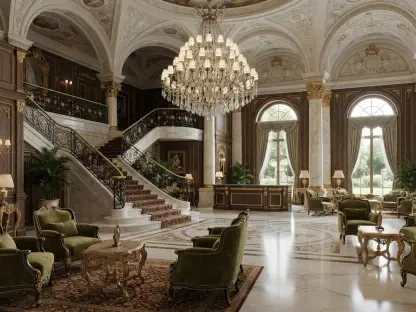
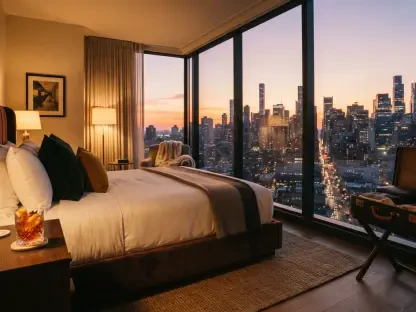
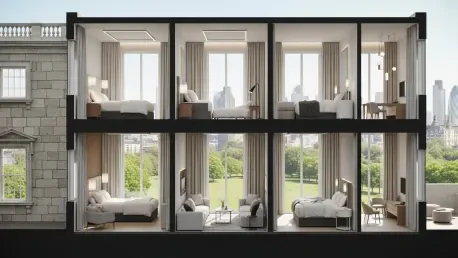
Balancing the original 1922-23 design by Sir William Curtis Green with five-star amenities requires a meticulous blend of historic preservation and modern engineering. To convert the former NatWest bank and offices, we are carefully partitioning the interior into 50 guest rooms and suites spread across six floors. Every structural change must respect the building’s Grade II listed status, ensuring the original architectural soul remains intact while we install hidden, high-tech infrastructure. This process involves stripping away decades of commercial office clutter to reveal the grand bones and high ceilings of the 1920s interior.
What strategic factors make Mayfair the ideal location for an inaugural international expansion, and how does managing a heritage asset in London differ from overseeing hospitality properties across the Asia-Pacific region?
Entering the European market via Mayfair is a strategic move for the Royal Group of Companies Singapore, as the corner of Piccadilly and Albemarle Street represents the heart of global luxury. While the group manages a diverse portfolio of offices, malls, and residential assets in the Asia-Pacific region, a London heritage asset offers a unique level of prestige and regulatory complexity. This project marks their first hotel venture in Europe, signaling a high-confidence bet on the city’s enduring appeal to international travelers. The management style here focuses on the intimate scale of a 50-room boutique property, which is a departure from the larger-scale industrial and commercial assets found in their Asian portfolio.
How will the hotel’s restaurant and bar integrate with London’s existing dining scene, and what metrics or feedback loops will you use to measure the success of this food-focused hospitality model?
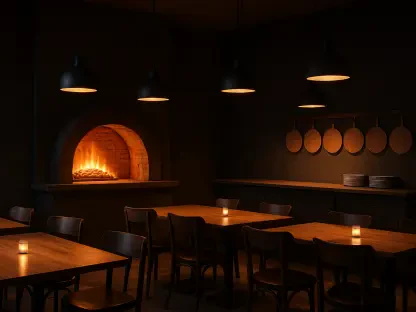
The Colbert Collection is unique because it puts “social connection” and culinary excellence at the very center of the guest experience rather than treating food as an afterthought. By collaborating with The Wolseley Hospitality Group, which operates famous London icons like The Wolseley and The Delaunay, we are ensuring the restaurant and bar are destination venues in their own right. We will monitor our success by tracking local footfall and the diversity of our dining crowds to ensure we are a vibrant social hub for the neighborhood. This model aims to integrate the hotel into the fabric of the West End’s world-class dining scene by appealing to both hotel guests and local Londoners.
How does this proximity to major transit and landmarks influence your guest service operations, and what logistical adjustments are necessary when launching a boutique property in such a dense urban environment?
Our location near Green Park and the West End means we are at the center of a dense urban ecosystem where logistical precision is essential for guest satisfaction. Being a short walk from the Green Park tube station provides our guests with a direct link to Heathrow Airport, making international arrivals exceptionally convenient. However, operating at the corner of Piccadilly requires coordination of deliveries and services to avoid disrupting the heavy pedestrian flow toward Buckingham Palace or Bond Street. We maximize the utility of our six floors to ensure that high-end, five-star service feels effortless and quiet despite the bustling city surroundings.
What is your forecast for the future of luxury boutique hospitality in London’s Mayfair district?
I anticipate a significant rise in “heritage-driven luxury,” where smaller, intimate properties of around 50 rooms become the preferred choice for discerning travelers who value character over size. Mayfair will remain the epicenter of this trend, successfully blending its historical charm with modern, world-class culinary programs like those found in the Colbert Collection. As travelers seek more authentic connections to their destination, these historic bank and office conversions will likely outperform generic luxury brands. The future lies in creating spaces that feel less like standard hotels and more like exclusive social clubs steeped in London’s rich architectural history.