
Exploring the Mid-Summer Transformation: The American Food Service Sector
High-temperature days often lead to a cooling effect on restaurant traffic, forcing the American dining industry to pivot toward sensory-driven marketing and hyper-aggressive pricing strategies to maintain occupancy. As the current season progresses, market analysts observe a significant wave of seasonal menu refreshes and limited-time offerings designed to shake consumers out of their routine dining habits. This mid-summer period is characterized by a frantic pace of innovation where established national chains and agile local favorites compete for a shrinking pool of discretionary spending through a blend of novelty and necessity.
The current strategy centers on the psychological pull of peak-season ingredients and the utilization of patriotic milestones as anchors for consumer engagement. By integrating fresh, perishable items like local berries, stone fruits, and regional peppers, brands create a sense of urgency that shelf-stable items simply cannot match. Moreover, the alignment of culinary calendars with national holidays allows for a narrative-driven marketing approach that fosters brand loyalty. Industry experts suggest that these seasonal updates are no longer just culinary experiments but are essential survival mechanisms in a market where diner fatigue is a constant threat.
Balancing culinary experimentation with aggressive value pricing has become the defining challenge of the year. Major chains are attempting to reconcile the rising cost of labor and premium ingredients with the consumer demand for deep discounts. This dual-track approach sees high-end, chef-driven items appearing on the same menus as drastic price-point anchors like five-dollar meal deals or free children’s offerings. This analysis explores how the intersection of flavor innovation and strategic market positioning is reshaping the landscape of American food service during these pivotal months.
Examining the Intersect: Culinary Creativity and Strategic Market Positioning
Leveraging National Heritage: The Challenge of Aggressive Value Engineering
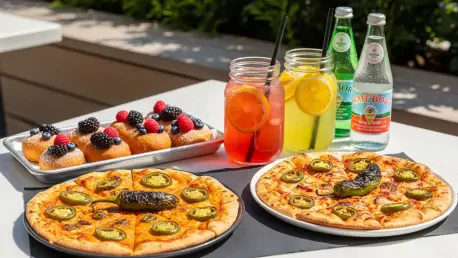
Patriotic themes and historical milestones have emerged as powerful tools for brands looking to anchor their promotional pricing in a way that feels celebratory rather than desperate. For instance, Ruby Slipper has utilized the “Red, White & Brunch!” concept to introduce visually striking items like berry-topped beignets, effectively turning the breakfast table into a festive experience. To bolster weekday traffic, they have integrated “kids eat free” programs during early morning windows, a move that data indicates can significantly increase the total check value by attracting entire family demographics that might otherwise dine at home.
In a similar vein, legacy brands like Golden Corral are looking toward national anniversaries to create unique price-point anchors. By using specific figures like $2.50 for breakfast buffet deals or loyalty program beverage discounts, they create a memorable numerical association that simplifies the value proposition for the customer. This type of value engineering is crucial for capturing the attention of budget-conscious families while maintaining a consistent volume of traffic through the doors. Culinary consultants note that such deals provide a necessary entry point for price-sensitive diners who may eventually trade up to higher-margin dinner options.
However, a tension exists between maintaining a premium brand identity and the necessity of these deep discounts. Brands like Dog Haus and Bad Daddy’s Burger Bar attempt to bridge this gap by offering inventive fusion items, such as the Big Hac Dog or the Red, White & Bleu Burger. These items offer a sophisticated flavor profile that justifies a standard price while still participating in the seasonal narrative. By elevating the humble hot dog or burger with complex sauces and artisanal cheeses, these operators provide a sense of luxury that helps mitigate the brand-eroding effects of the heavy discounting seen elsewhere in the market.
The Proliferation of Swicy Profiles: The Southwestern Flavor Revolution
The American palate is currently undergoing a shift toward bold, regional palettes that prioritize heat and complexity over simple sweetness. This trend is most evident in the widespread adoption of Hatch green chiles and jalapeño-infused meats. Jason’s Deli, for example, has leaned into the heat-forward trend with its flatbread offerings, pairing them with side dishes that reflect the popular street corn or elote flavor profile. This regional focus allows national brands to tap into the authenticity of Southwestern cuisine while providing a refreshing departure from standard summer fare.
The rise of the “swicy” trend—a combination of sweet and spicy—has become a dominant force in sandwich and sub menus. Firehouse Subs has successfully implemented this by combining honey chipotle sauces with caramelized onions, creating a flavor depth that appeals to a younger, more adventurous demographic. This flavor profile targets the sensory desire for complexity, offering a “kick” that is tempered by familiar sweetness. Analysts suggest that this trend is driven by a consumer desire for bold experiences that contrast with the blandness of home-cooked meals, making the dining-out experience feel more like a culinary event.
Despite the popularity of these bold flavors, there is a legitimate risk of flavor fatigue within the category. To combat this, brands are finding ways to innovate within popular, stable categories like ranch dressing. Slim Chickens has utilized a “remix” strategy, introducing variations like Dill Pickle Ranch to maintain interest throughout the season. By iterating on a beloved staple, brands can provide a sense of novelty without forcing the consumer to step too far outside their comfort zone. This balance of innovation and familiarity is essential for sustaining long-term interest in seasonal spicy offerings.
Permanent Menu Disruptions: The Integration of Plant-Based Partnerships
The current summer season has revealed that not all updates are meant to be temporary. Legacy brands are increasingly using the summer window to trial items that eventually become permanent fixtures of their core identities. Perkins Restaurant & Bakery, traditionally known for its breakfast and baked goods, has made a decisive move into the lunch and dinner market with a permanent lineup of smashed burgers. This disruption of their traditional category allows them to compete more effectively in the quick-service and casual dining spaces, diversifying their revenue streams beyond the morning hours.
Furthermore, the expansion of poultry categories remains a high-priority area for innovation. Jollibee’s nationwide launch of nuggets represents a strategic effort to capture a larger share of the snacking market. By offering house-made dipping sauces, the brand differentiates itself from the standardized offerings of larger competitors. This move demonstrates how global brands are adapting their menus to fit American snacking habits, ensuring that they remain relevant to families and younger diners who prioritize portability and variety in their meal choices.
The integration of plant-based partnerships is also reshaping the dessert and non-dairy sectors. Handel’s Ice Cream’s collaboration with oat milk leaders to create permanent non-dairy flavors signifies a shift from seeing vegan options as niche additions to viewing them as essential menu components. By focusing on the texture and richness provided by high-quality oat milk, brands can satisfy evolving dietary preferences without compromising the indulgent experience customers expect. These successful trials showcase how summer innovation often serves as a laboratory for long-term category expansions that eventually redefine a brand’s market position.
Beverage Aesthetics: The Rise of Localized Farm-to-Table Experiences
Beverage innovation has become a primary driver for afternoon foot traffic and high-margin incremental sales. The rise of “social-media-ready” drinks, characterized by vibrant colors and unique textures, targets visual-centric diners who value the aesthetic appeal of their refreshments. PJ’s Coffee has capitalized on this with fizz-forward craft sodas and neon-colored lemonades that serve as perfect subjects for digital sharing. These beverages provide a low-cost way for consumers to participate in a brand’s seasonal narrative, often leading to unplanned purchases during the warmer parts of the day.
While high-volume casual dining chains focus on happy hour deals and affordable margaritas, luxury venues are taking a different approach by emphasizing sustainable localism. The St. Regis Deer Valley, for instance, has implemented a farm-to-table dinner series that highlights specific regional ingredients like local honey and lamb. This strategy creates an air of exclusivity and high-end appeal that contrasts with the mass-market approach of larger chains. For these operators, the value lies in the story behind the ingredient, appealing to a demographic that prioritizes environmental responsibility and culinary craftsmanship.
Comparing these two strategies reveals a bifurcated market where consumers seek either extreme value or extreme authenticity. Chili’s continues to dominate the mid-tier market by offering premium spirits at aggressive price points through its “Marg of the Month” program. Conversely, the success of nutrient-dense, indulgent smoothies at places like South Block shows that health-conscious consumers are willing to pay a premium for functional ingredients that feel like a treat. This diversity in beverage strategy illustrates that liquid innovation is no longer an afterthought but is central to a restaurant’s seasonal success.
Strategic Takeaways: Sustaining Foot Traffic in a Price-Sensitive Market
Reflecting on the various successful campaigns this season, the most critical impact has come from the fusion of flavors and nostalgic aesthetics. Consumers are increasingly drawn to items that remind them of the past while offering a modern twist, such as retro-inspired soda pops or burger-hot dog hybrids. This blend of comfort and novelty creates an emotional connection that can drive repeat visits. For operators, the lesson is clear: innovation should not come at the expense of familiarity, as the most successful items are often those that reimagine a classic favorite with a contemporary edge.
To implement value-driven promotions without compromising food quality, restaurant operators must adopt a more surgical approach to their pricing models. This involves using high-visibility value anchors—like a specific low-cost side dish or a “kids eat free” window—to draw diners in, while relying on a compelling menu of add-ons and premium beverages to maintain the average check size. Actionable recommendations include the use of limited-time seasonal ingredients to create a sense of exclusivity, which encourages immediate purchasing decisions. When diners feel that an item is only available for a short window, their price sensitivity often decreases in favor of the seasonal experience.
Moreover, the utilization of seasonal ingredients allows for a more sustainable and cost-effective supply chain when managed correctly. By sourcing peak-season produce, restaurants can often reduce the logistical costs associated with out-of-season imports while delivering a superior product to the customer. Best practices involve creating a rotating menu that responds to the availability of local harvests, which not only improves flavor but also reinforces the restaurant’s commitment to the local economy. This approach builds trust with the consumer base and establishes the restaurant as a dynamic participant in the seasonal culinary cycle.
The Future of Dining: Balancing Bold Innovation with Consumer Accessibility
The mid-summer menu cycle provided a clear indication that the successful dining establishments of the future must offer a seamless blend of familiar comfort and disruptive experiences. Throughout the past several months, brands that successfully navigated the competitive landscape were those that recognized the necessity of flexible menu engineering. They understood that the modern diner is not a monolith but a complex individual looking for both the reassurance of a value deal and the excitement of a “swicy” new sauce. This agility in responding to economic pressures while maintaining a creative edge was the hallmark of the season’s leaders.
The ongoing importance of accessibility cannot be overstated as economic factors continue to influence dining out habits across the country. The industry saw a definitive move toward transparent pricing and bundled deals that simplified the decision-making process for the consumer. At the same time, the integration of non-dairy options and plant-based partnerships showed that inclusivity is no longer an optional feature but a core requirement for any brand looking to maintain a broad appeal. These developments suggest that the future of the industry will be defined by its ability to provide high-quality, diverse culinary options at a variety of price points.
As the industry prepares for the highly competitive transition into the autumn months, the innovations launched this summer have set a high bar for the rest of the year. The surge in beverage creativity and the experimentation with permanent menu disruptions served as a vital testing ground for what will likely become the next set of industry standards. Operators who successfully used this period to build a sense of community and urgency through seasonal offerings found themselves better positioned to weather the coming shifts in consumer behavior. The strategic insights gained during these warmer months will undoubtedly shape the culinary and economic strategies of the American food service sector for seasons to come.