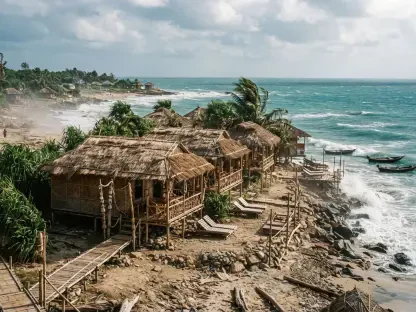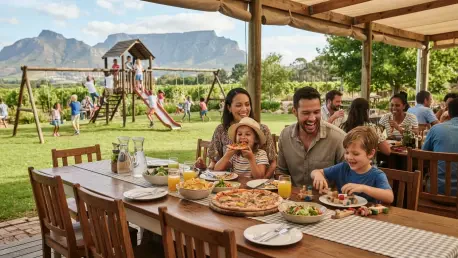

The proximity of Deer Park Café to natural public park environments illustrates a growing trend toward organic outdoor dining experiences in the Vredehoek area. This shift represents a broader transformation across the South African hospitality landscape, where the traditional “kiddies’ menu” no longer suffices for the modern urban family. Parents in 2026 increasingly seek venues that function as multi-purpose social hubs, blending sophisticated gastronomy with high-quality recreational infrastructure. This demand has spurred a competitive market from Cape Town to Johannesburg, where restaurants have evolved into carefully curated environments. The challenge lies in balancing the noise and energy of active play with the desire for a serene adult dining atmosphere. By integrating architectural innovation with child-centric services, these establishments have redefined the weekend outing. The result is a diverse selection of destinations that cater to varied sensory preferences, ranging from indoor adventure parks to creative studios.
Integrated Leisure and Culinary Excellence in Gauteng
In the heart of Johannesburg, JoyJozi in Dunkeld has emerged as a premier example of how integrated play can be executed at a luxury level. The facility features an extensive infrastructure that includes intricate treehouses, elaborate splash parks, and even action-court setups designed to engage various age groups simultaneously. For families planning their social calendars from 2026 to 2028, these all-in-one destinations provide a solution to the logistical fatigue of moving between separate entertainment and dining venues. The food remains a central pillar, with menus that go far beyond standard snacks to offer gourmet pizzas and nutritious main courses that appeal to refined adult palates. This model relies on a seamless transition between the outdoor play zones and the central dining area, ensuring that guardians can maintain visual contact with their children while enjoying a meal. The investment in such physical infrastructure highlights the premium placed on safety and variety.
Moving toward the Bedfordview and Fourways districts, establishments like Bambanani and Papachinos showcase different but equally effective approaches to family-centric hospitality. Bambanani has long been recognized for its focus on convenience, utilizing professional childminders to supervise play areas, which allows parents a rare moment of uninterrupted conversation. This service-heavy model prioritizes the peace of mind that comes with expert oversight, making it a staple for those who value safety as much as culinary quality. On the other hand, Papachinos maintains a more traditional family-oriented atmosphere, centering its experience around pizza and pasta while incorporating robust integrated play zones. These venues have adapted to the 2026 consumer’s needs by ensuring that every touchpoint, from the greeting at the door to the interactive play equipment, feels intentional. The sustained popularity of these hubs suggests that the marriage of supervised engagement and hearty dining remains a winning formula for the South African middle class.
Creative Coastal Spaces and Logistical Strategies
The Western Cape provides a distinct flavor of child-friendly dining, often leaning into the scenic beauty and creative culture of the region. The Clay Café in Hout Bay has successfully pioneered a specialized artistic theme that combines ceramic painting with outdoor physical activity. Visitors can engage in tactile creativity by choosing and painting pottery pieces before letting children burn off energy on large jumping pillows and climbing structures. This dual-focus approach engages both the cognitive and physical development of minors, making the meal almost secondary to the experience itself. In contrast, for those seeking shelter from the unpredictable Cape weather, Playalot in Durbanville functions as a massive indoor adventure park. This venue emphasizes a high-tech, weatherproof solution to weekend entertainment, requiring specific equipment like branded grip socks to navigate its sprawling play zones. These Cape-based models demonstrate that kid-friendly spaces can vary from artistic workshops to high-energy, climate-controlled environments.
Successful family outings in 2026 were ultimately defined by the strategic logistical preparations made by guardians before arriving at these popular South African hubs. Families who prioritized a smooth experience investigated separate play fees in advance, such as the hourly rates at JoyJozi or the studio fees at the Clay Café, which ensured there were no surprises upon arrival. It was found that verifying the presence of trained childminders and age-specific restrictions allowed for a more relaxing atmosphere for the adults in the group. Furthermore, visitors who opted for venues like the O&O Café or the Fun Factory in the Durban region benefited from diverse amenities ranging from arcades to themed character experiences. These establishments addressed the complex needs of modern families by providing environments that served as both a restaurant and a recreational destination. By choosing locations that aligned with specific interests, parents secured a balanced experience that catered to every member of the household effectively.