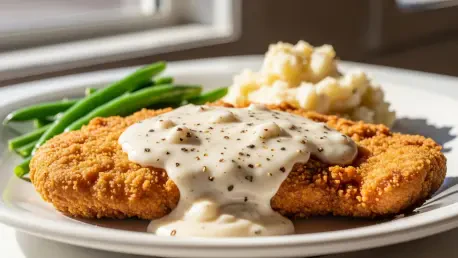

Achieving the perfect balance between a shatteringly crisp breading and a tender, well-seasoned interior remains the ultimate benchmark for any restaurant attempting to master the art of country-fried steak. This iconic dish, often confused with its cousin chicken-fried steak, relies on a delicate chemistry where the heavy gravy must complement rather than overwhelm the golden crust. As diners increasingly seek authentic regional flavors within the convenience of national franchises, the pressure on major culinary chains to deliver a high-quality, non-industrialized version of this staple has never been higher. While some establishments rely on frozen, pre-breaded patties that often result in a rubbery texture, the elite contenders in the industry have pivoted toward hand-breaded techniques and house-made gravies to secure customer loyalty. The landscape of American casual dining is currently defined by a battle for the most nostalgic plate, where the stakes are measured in the thickness of the roux and the quality of the beef cutlet used.
Evaluating the Traditional Breakfast Chains
Cracker Barrel and the Legacy of Southern Style
Cracker Barrel has long positioned itself as the guardian of traditional Southern roadside dining, and its approach to country-fried steak reflects a commitment to a specific flavor profile that emphasizes creamy textures and mild seasoning. The steak itself is typically a thin, tenderized beef cutlet that undergoes a deep-frying process until the exterior achieves a light, golden-brown hue that avoids the aggressive crunch found in more modern interpretations. What sets this version apart is the signature saw-mill gravy, which is notoriously thick and studded with bits of savory sausage, providing a salty richness that permeates the breading without immediately making it soggy. This particular preparation appeals to a demographic that values soft, easy-to-eat textures over high-impact spices or heavy crusts. While some critics argue that the breading can be too delicate to withstand the weight of the gravy, the consistency across thousands of locations remains a significant competitive advantage.
IHOP and the Integration of Griddle Classics
In contrast to the specialized dinner houses, IHOP utilizes the country-fried steak as a cornerstone of its breakfast-all-day philosophy, focusing on a batter that mirrors the lightness of its pancake heritage. The cutlet served here tends to have a smoother, more uniform breading that provides a consistent crunch in every bite, often paired with a white cream gravy that is lighter and less chunky than the sausage-laden versions found elsewhere. This approach ensures that the dish does not become overly heavy, allowing it to sit comfortably alongside eggs and hash browns without overwhelming the palate. Technical precision in the kitchen is required to prevent the breading from separating from the meat during the high-turnover breakfast rush. By focusing on a reliable, standardized preparation, the chain has managed to maintain a loyal following among those who prefer a cleaner, more predictable iteration of the dish. The subtle seasoning of the meat allows the natural flavor of the beef to emerge.
Comparing Modern Steakhouse Standards
Texas Roadhouse: Hand-Breaded Quality in Large Scale
Texas Roadhouse represents a different philosophy in the casual dining market by emphasizing a more robust, steak-forward experience that prioritizes the structural integrity of the breading and the thickness of the meat. Unlike the thinner cutlets often found at breakfast-oriented chains, this establishment utilizes a heartier portion of beef that is hand-breaded to order, a practice that significantly impacts the final texture and freshness. The breading itself is seasoned with a more prominent blend of black pepper and garlic, creating a spicy kick that stands up well to the heavy cream gravy served on top. This method produces a craggy surface with numerous nooks and crannies that trap the sauce, ensuring that every bite contains a high ratio of crunch to creaminess. The use of a high-heat frying system allows the meat to remain juicy while the outer shell becomes exceptionally rigid, which prevents the dish from becoming a monolithic mass of soggy dough.
Black Bear Diner: Emphasizing Portion Size and Texture
Black Bear Diner has carved out a niche by offering massive portions that emphasize the rustic, “mountain-man” aesthetic of its brand through a country-fried steak that often covers the entire plate. The preparation here focuses on a thick, double-dredged coating that creates a substantial barrier between the meat and the gravy, catering to those who prioritize a significant crunch. This style is characterized by its heavy use of seasoning within the flour mixture, providing a savory depth that lingers long after the meal is finished. Because the portions are so large, the kitchen must manage internal temperatures carefully to ensure the beef remains tender throughout the cooking process. This results in a dish that feels more like a celebratory feast than a standard meal, making it a favorite for diners who value caloric density and bold flavors. The gravy served here is typically dense and rich, acting as a structural element that binds the large cutlet to its accompanying sides of mashed potatoes.
Selecting the Premier Dining Destination
The comprehensive analysis of these national chains demonstrated that the definition of a superior country-fried steak relied heavily on the specific balance of breading texture and gravy consistency. It became clear that diners who favored a softer, more integrated flavor profile consistently gravitated toward established breakfast-focused establishments, while those who sought a robust, peppery crunch preferred the steakhouse model. This shift in consumer preference necessitated a move away from frozen, pre-breaded products toward the hand-breaded techniques that dominated the market in 2026. To ensure the best possible experience, it was found that looking for restaurants with high-turnover frying stations and scratch-made roux provided the most reliable results. Future success for these brands rested on their ability to maintain these labor-intensive practices while managing rising ingredient costs. Ultimately, the decision depended on whether a diner valued the nostalgic, pillowy comfort of traditional recipes or the aggressive, seasoned crust.