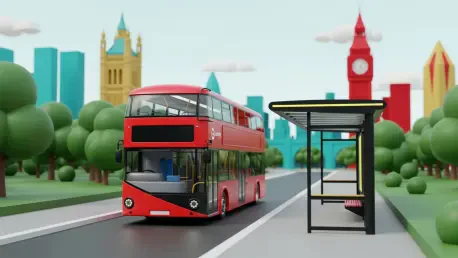

London’s urban landscape is vast, and during the peak heat of summer, the cost of moving across the capital can often become a prohibitive barrier for many households looking to enjoy the city’s many offerings. The Mayor of London, Sadiq Khan, has addressed this challenge directly by collaborating with Transport for London (TfL) to implement the “Weekend Hopper” initiative, a strategic move designed to redefine metropolitan accessibility during the current summer season. This program permits passengers to engage in unlimited bus and tram travel throughout the city’s expansive network for a fixed, flat rate of just £1.75 during weekend operational hours. By removing the financial uncertainty of multiple taps and transfers, the city is effectively lowering the drawbridge to its cultural and commercial heart, ensuring that the vibrancy of the capital remains accessible to everyone regardless of their economic background or neighborhood. This approach to transit not only prioritizes financial ease but also serves as a catalyst for urban engagement.
Financial Relief: Strategies for Long-Term Fare Stability
A primary driver behind the Weekend Hopper scheme is the immediate and tangible reduction of travel costs for both permanent residents and temporary visitors who frequent the capital’s streets. During the designated periods of Saturdays, Sundays, and the traditional August bank holiday, the daily expenditure for bus travel is effectively capped at £1.75, which dramatically lowers the overhead for a typical day of sightseeing or social visiting. For instance, a family consisting of four individuals can now navigate the entire metropolitan area for a total outlay of only £3.50, representing a substantial saving when compared to standard pay-as-you-go rates that would otherwise accumulate with each journey. This simplified pricing structure makes the city’s vast network of museums, parks, and landmarks far more reachable for those who might have been previously deterred by the escalating costs associated with modern urban transportation in a global financial hub.
Beyond the immediate relief offered by this seasonal promotion, the initiative represents a broader and more significant commitment to maintaining London’s reputation as an affordable destination in the long term. The current administration has successfully enacted a comprehensive fare freeze for all bus and tram services, which guarantees that the single fare will remain at its current rate of £1.75 until at least late 2026. These potential savings are further bolstered during the month of August by the introduction of the “Great British Summer Savings Scheme,” a policy that allows all children under the age of sixteen to utilize bus services entirely free of charge. When these overlapping policies are viewed together, they form a robust financial safety net for low-income households, permitting them to redirect their limited budgets toward other essential summer requirements such as food, educational materials, or communal activities that were previously out of financial reach.
Social Inclusion: Bridging the Gap for Youth and Families
Social advocacy groups across the United Kingdom have extensively praised the program for its critical role in preventing social isolation among households with limited financial resources. For many families, the combined burden of high childcare costs and expensive recreational activities during the summer school break can be entirely overwhelming, frequently resulting in a lack of meaningful engagement with the broader urban community. The Weekend Hopper serves as a vital psychological and physical link, enabling families to visit established support networks, attend distant community centers, and participate in citywide cultural festivals that were formerly considered out of financial reach. This initiative ensures that the myriad benefits of the city’s rich cultural and historical landscape are shared more equitably across all socioeconomic levels, fostering a sense of belonging and community cohesion that is essential for a thriving metropolis.
From the specific perspective of young Londoners, the scheme serves to eliminate the “cost barrier” that historically limited their ability to explore diverse neighborhoods beyond their immediate surroundings. Members of the TfL Youth Panel have frequently observed that affordable and reliable transit is an essential component for personal growth, as it allows students and young creative professionals to travel for independent projects, internships, and social events without the burden of financial stress. By providing a renewed sense of freedom and geographic mobility, the program encourages the younger generation to become more active and informed participants in the social and professional life of the city. This early exposure to the benefits of public transportation also helps to cultivate a lifelong habit of sustainable travel, ensuring that future citizens prioritize mass transit over the use of private vehicles as they start their professional careers.
Economic Growth: Sustainable Infrastructure and Digital Integration
The broader business community views the Weekend Hopper as a major economic catalyst capable of boosting local commerce during the peak summer season when competition for consumer attention is highest. Leaders within the retail and hospitality sectors anticipate that this low-fare structure will drive significantly higher footfall in iconic areas like the West End, which remains a premier global destination for high-end shopping and diverse dining experiences. By making these high-density commercial hubs easier to reach via the existing bus network, the scheme provides essential support for both small independent boutiques and large international retailers alike. This steady influx of weekend visitors is particularly important for maintaining the vibrancy of London’s historic high streets, which rely on consistent traffic to remain competitive against the growing dominance of global e-commerce platforms.
To ensure the network remained functional during the peak summer heat, Transport for London successfully deployed a specialized taskforce to monitor fleet temperatures and passenger comfort across the city. This operational success was mirrored by the continued integration of over 3,000 zero-emission buses, which significantly lowered the carbon footprint of the metropolitan transit system throughout the season. Digital tools like the “TfL Go” application provided travelers with real-time data, enabling them to bypass congestion and make informed decisions during their weekend journeys. These coordinated efforts demonstrated that a combination of affordable pricing and high-tech infrastructure could effectively drive public engagement while meeting rigorous environmental standards. Moving forward, planners recommended that these low-cost travel windows be utilized as a blueprint for future fare structures designed to support urban resilience.