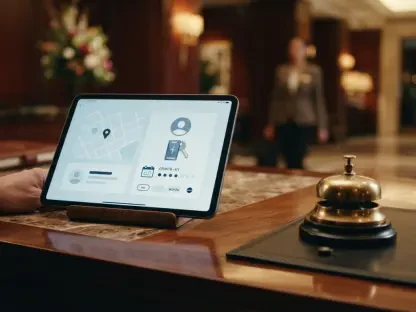

Strategic implementation of artificial intelligence aims to empower human workers by removing the burden of administrative and repetitive physical labor. Throughout 2026, the global hospitality industry has witnessed a paradigm shift where technological integration has transitioned from a competitive advantage to a standard operational requirement. The ATLAS Special Interest Group, a prominent collective of academic researchers and industry practitioners, has been instrumental in documenting this evolution, emphasizing that the modern traveler now expects a seamless blend of automated convenience and high-quality human interaction. This transformation is visible across the entire tourism ecosystem, from the initial digital interaction during a booking to the physical presence of robotic systems within luxury resorts and urban boutique hotels. By leveraging machine learning and autonomous hardware, the sector is successfully addressing long-standing labor shortages while simultaneously elevating the consistency of service delivery across diverse global markets.
Enhancing the Guest Experience Through Automation
Interactive Service: Redefining On-Site Hospitality
On the front lines of the guest experience, physical robotics have transitioned into essential team members capable of executing labor-intensive duties with remarkable precision. In many international hotel chains, autonomous mobile robots are now responsible for the routine transport of guest luggage and the delivery of room service items, allowing human concierges to focus on complex guest inquiries and personalized care. Beyond the lobby, advanced cleaning robots equipped with ultraviolet disinfection technology ensure that public spaces and guest rooms meet the highest hygiene standards without constant human supervision. Even in the culinary departments, robotic kitchen assistants are being utilized to manage repetitive food preparation tasks, which significantly speeds up service times during peak hours. These mechanical assistants are designed to operate safely in crowded environments, using sophisticated sensors to navigate around guests, thereby creating a modern atmosphere that signals operational reliability.
Digital Intelligence: The Rise of Virtual Assistants
The digital dimension of the traveler’s journey has been equally transformed by the deployment of sophisticated artificial intelligence interfaces that provide constant support. Utilizing large language models, these digital assistants offer 24/7 multilingual communication, enabling hotels to provide instant and accurate information to a diverse global clientele without the delays often associated with traditional front desks. These systems go far beyond simple programmed responses; they analyze real-time data to provide personalized recommendations, ranging from local dining suggestions to custom-tailored excursion itineraries based on previous guest preferences. This hyper-personalization is powered by deep learning algorithms that synthesize historical behavior and social media trends to anticipate needs before they are explicitly stated. By processing vast amounts of guest data securely, these AI platforms create a sense of tailored luxury, ensuring that every interaction feels specific to the individual’s requirements.
Strategic Growth and the Human Element
Operational Excellence: AI as a Business Asset
The implementation of predictive analytics has allowed hospitality brands to transition from a reactive service model to a proactive one that anticipates market shifts with high accuracy. By processing billions of data points from global travel trends, local events, and historical booking patterns, AI-driven systems now provide managers with precise demand forecasts that guide inventory management and dynamic pricing strategies. This foresight enables properties to maximize occupancy rates while ensuring that pricing remains competitive in a rapidly fluctuating market. Beyond revenue management, these analytical tools are applied to guest satisfaction metrics, identifying potential service gaps before they impact the brand’s reputation. By interpreting sentiment from guest reviews and internal feedback loops, the technology offers actionable insights that help staff refine their service protocols. This data-centric approach ensures that every operational decision is backed by empirical evidence, reducing the financial risks.
Financial Security: The Role of Blockchain Systems
Behind the scenes, artificial intelligence serves as the sophisticated engine driving the industry’s economic viability through advanced operational efficiency and supply chain optimization. Hotel managers and tourism operators currently utilize complex algorithms to identify patterns that lead to a drastic reduction in food waste and energy consumption, directly improving the bottom line and environmental sustainability. This level of financial precision is further enhanced by the integration of blockchain technology, which provides a secure and transparent framework for all digital transactions. Blockchain streamlines the verification of guest identities and the management of complex loyalty programs, protecting sensitive data while reducing the administrative overhead associated with traditional payment processing. These invisible technological layers ensure that the business remains profitable and reliable, proving that the most impactful applications of modern automation often occur away from the direct view of the traveling public.
Ethical Integrity: Navigating the Social Landscape
As the industry navigated the challenges of this tech-heavy model, professionals focused on the ethical implications of job displacement and the widening digital divide between global players. Experts in the field recognized that while automation improved productivity, it also required a significant shift in how the workforce was prepared for a collaborative environment where humans and machines worked in tandem. Educational programs successfully prioritized ethical AI literacy, teaching students how to manage the intersection of human empathy and algorithmic logic to preserve the warmth of traditional service. This proactive approach ensured that smaller businesses were not marginalized by larger corporations with massive capital for investment. Industry leaders eventually moved toward a synthesis where technology supported rather than replaced the fundamental human connection that defines hospitality. By addressing concerns regarding data security early on, the sector established a foundation of trust that allowed the host-guest relationship to remain the priority.