
Advanced logistical coordination allows premium caterers to host dignitaries and celebrities with sophisticated menu items like baked scallops and grilled chicken roulade. The professional food landscape in Singapore has moved far beyond the traditional buffet lines of previous decades, maturing into a high-stakes industry where precision, artistry, and culinary excellence intersect. As a premier global gastronomic hub, the city-state maintains some of the most rigorous standards for food safety and service quality in the world. This environment has pushed local caterers to innovate constantly, blending the diverse flavors of a multicultural heritage with cutting-edge presentation techniques. Today, the choice of a catering partner is viewed as a strategic decision that reflects the host’s brand or personal style, transforming a simple meal into a curated event that resonates with guests long after the final course is served.
The demand for high-quality catering spans every imaginable sector, from high-level corporate summits and diplomatic receptions to intimate family celebrations and milestone weddings. This versatility is supported by a robust infrastructure that allows for the seamless execution of events regardless of scale. Modern caterers have moved away from being mere vendors to becoming comprehensive event partners, offering holistic solutions that encompass thematic decor, floral arrangements, and customized furniture. By prioritizing the “experience” as much as the nutritional value of the food, the industry has successfully adapted to a market where consumers are increasingly well-traveled and discerning. This shift toward experiential dining ensures that every touchpoint, from the initial menu consultation to the final cleanup, is handled with a level of professionalism that mirrors the city’s broader reputation for efficiency and excellence.
Trends Shaping the Gastronomic Landscape
The Importance of Inclusivity and Halal Certification
In the multicultural tapestry of Singapore, the concept of inclusivity is not merely a social goal but a practical necessity for the catering industry. Halal certification has emerged as a fundamental pillar of top-tier service, ensuring that corporate functions and social gatherings remain accessible to all attendees regardless of their religious backgrounds. Leading catering firms have invested heavily in dedicated kitchen facilities and separate supply chains to maintain the integrity of Halal standards while simultaneously pushing the boundaries of gourmet creativity. This commitment allows for the seamless integration of traditional Malay and Indian flavors into broader international menus, creating a dining environment where diversity is celebrated through shared meals. By adhering to these strict standards, caterers provide peace of mind to hosts who wish to foster an atmosphere of respect and community during their events.
Beyond religious requirements, the current industry landscape has seen a massive surge in demand for specialized dietary accommodations that reflect modern lifestyle and health choices. Menus are no longer designed with a “one size fits all” mentality; instead, they feature robust selections for vegetarian, vegan, and gluten-free diets as standard inclusions. This evolution is driven by a more health-conscious consumer base that prioritizes nutritional transparency and ingredient sourcing. Caterers are now working closely with nutritionists to develop dishes that are as visually appealing as they are wholesome, moving away from simple plant-based substitutes toward complex, chef-crafted vegetarian entrees. This focus on dietary inclusivity ensures that every guest feels considered and valued, effectively eliminating the logistical friction that often arises when managing diverse guest lists with varying nutritional needs.
The integration of sustainable practices has also become a defining characteristic of inclusive catering in the current year. Many providers are now focusing on “planet-friendly” feasts that prioritize locally sourced ingredients and minimize environmental impact. This shift toward corporate social responsibility is visible in everything from the reduction of single-use plastics to the implementation of waste management protocols that redistribute excess food to charitable organizations. By aligning their operations with global sustainability goals, caterers are appealing to a demographic that values ethical consumption as much as culinary quality. This approach not only enhances the brand reputation of the catering firms themselves but also allows event hosts to demonstrate their commitment to environmental stewardship, creating a ripple effect of positive impact across the local food supply chain.
The Rise of Experiential and Thematic Dining
The modern catering sector has successfully transitioned from providing standard buffet spreads to creating immersive, narrative-driven dining experiences. Today’s event hosts are looking for more than just a meal; they want a cohesive theme that tells a story and aligns with the visual identity of their brand or celebration. This has led to the rise of bespoke thematic decor where every element, from the texture of the linens to the color of the floral arrangements, is meticulously selected to complement the menu. Marble-themed buffet stations, artisanal wooden displays, and minimalist glass setups have replaced the generic stainless steel chafing dishes of the past. This focus on aesthetic innovation ensures that the catering setup functions as a centerpiece of the event, providing a “camera-worthy” backdrop that encourages social media engagement and creates lasting visual memories for all guests.
Interactive dining elements have also become a mandatory feature for premium events, providing a sense of theatre and engagement that static buffets cannot replicate. Live stations, where skilled chefs prepare signature dishes like laksa, satay, or freshly made dim sum on the spot, have become incredibly popular. These stations allow guests to witness the culinary process firsthand, adding a layer of entertainment and transparency to the dining experience. The aroma of freshly grilled meats and the sound of a sizzling wok create a multisensory environment that draws people together and sparks conversation. This shift toward interactive service models reflects a broader desire for connection and authenticity in social settings, as guests appreciate the opportunity to customize their meals and interact directly with the artisans responsible for their food.
For high-end corporate galas and luxury weddings, the trend has shifted toward boutique, “farm-to-table” concepts that emphasize the origin and quality of every ingredient. These services often feature premium items such as slow-cooked Norwegian salmon or wagyu beef, presented with an artistic flair that rivals the finest Michelin-starred restaurants. The focus here is on quality over quantity, with each course designed to offer a balance of flavors and textures that represent the pinnacle of culinary skill. By prioritizing these sophisticated menu structures, caterers are able to target a clientele that values exclusivity and refinement. This move toward specialized, high-tier dining options has redefined the boundaries of what is possible in a catering format, proving that large-scale events do not have to sacrifice the intimacy or detail of a private restaurant experience.
Innovations in Logistics and Specialized Cuisines
Technological Advancements in Food Delivery
One of the most transformative developments in the logistics of catering is the widespread adoption of the “Mini Buffet” format. This service is specifically designed to meet the needs of smaller, more intimate gatherings that do not require the full setup of a traditional buffet. By streamlining the equipment and staffing requirements, caterers can offer professional-grade meals to groups of 10 to 20 people without the logistical overhead typically associated with large events. This innovation has opened up new markets in residential catering and small office luncheons, providing a middle ground between standard restaurant delivery and full-scale catering service. The “drop-and-go” model emphasizes efficiency and convenience, allowing hosts to enjoy a high-quality dining experience with minimal setup or cleanup, which has become particularly valuable in the current fast-paced urban environment.
To support the quality of these smaller formats, the industry has integrated advanced self-heating packaging technology. These innovative containers utilize safe, water-activated heating elements that keep food at optimal temperatures for several hours without the need for electricity or external fuel burners. This technological leap has revolutionized the way food is transported and served, ensuring that heat-sensitive dishes like stews and rice maintain their texture and flavor from the kitchen to the dining table. For event planners, this means greater flexibility in venue selection, as they are no longer restricted by the availability of power outlets or the logistical challenges of open-flame heating. The use of smart packaging reflects the industry’s commitment to leveraging technology to solve traditional problems, providing a reliable and modern solution for contemporary catering needs.
Digital integration and logistical software have also enhanced the reliability and transparency of catering services. Many providers now use sophisticated fleet management systems and real-time tracking to ensure that deliveries are precisely timed, even in the face of unpredictable urban traffic. This level of coordination is essential for maintaining the cold chain for temperature-sensitive items like seafood and dairy, where even a slight variance can impact safety and quality. Furthermore, the use of digital ordering platforms and automated inventory management allows caterers to provide more accurate lead times and customize menus with greater flexibility. By embracing these technological tools, the catering industry has achieved a level of operational excellence that ensures every event, regardless of its complexity, is executed with the highest degree of professionalism and punctivity.
Preservation of Heritage and Local Flavors
Despite the constant influx of international food trends, there remains a powerful and enduring demand for authentic local flavors that honor Singapore’s rich culinary heritage. Specialized caterers have found great success in preserving traditional Nyonya and Peranakan recipes, scaling them for large crowds without losing the complexity of their spice profiles. Iconic dishes like Ayam Buah Keluak or beef rendang require hours of meticulous preparation and a deep understanding of traditional techniques. By maintaining these standards, caterers provide a nostalgic and comforting experience that resonates deeply with local guests while offering international visitors a genuine taste of the region’s history. This focus on heritage preservation ensures that the unique food culture of the city-state continues to thrive in a modern, commercialized context.
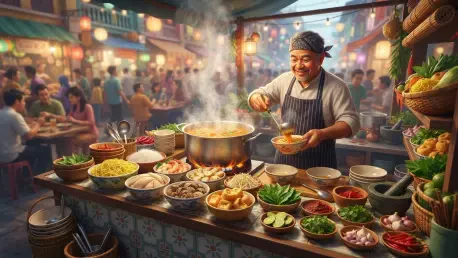
The vibrant street food culture that defines the region has also been successfully integrated into the professional catering environment. Many providers now offer specialized packages that bring the atmosphere of a hawker center to private events through high-end live stations. This allows guests to enjoy dishes like Char Kway Teow or Oyster Omelette prepared with the characteristic “wok-hei” that can only be achieved through high-heat frying. These stations are often designed to mimic the aesthetic of traditional food stalls, adding an element of cultural storytelling to the event. By bridging the gap between casual street food and professional catering, these services provide a versatile option for hosts who want to showcase the best of local cuisine in a more structured and formal setting, proving that traditional flavors can be elevated to meet the highest service standards.
Furthermore, several legendary local institutions with decades of history have expanded into the catering space, bringing their signature dishes to a wider audience. Whether it is restaurant-grade dim sum or comforting Teochew-style porridge, these providers offer a level of culinary stability and trust that is highly valued by consumers. They use locally sourced ingredients and time-honored cooking methods to ensure that every dish tastes exactly as it would in their flagship locations. This trend toward “heritage catering” allows event planners to tap into established brand reputations, providing guests with a sense of familiarity and quality. The success of these traditional providers in a modern market highlights the importance of authenticity and the enduring appeal of well-executed local classics in the ever-evolving world of professional catering.
International Influence and Gourmet Niches
The Singaporean catering market is a true reflection of the city’s cosmopolitan nature, featuring an impressive array of providers who specialize in high-end international cuisines. Italian catering, for instance, has seen a significant rise in popularity, with a focus on artisanal pastas, premium cheeses, and authentic charcuterie. Grazing tables, which feature a continuous and artfully arranged spread of imported meats, fruits, and crackers, have become a staple for networking events and product launches. These displays emphasize social interaction and visual impact, allowing guests to sample a variety of gourmet items at their own pace. By offering these specialized international menus, caterers cater to a diverse population that appreciates global flavors and sophisticated presentation, making every event feel like a journey through the world’s great culinary capitals.
French-style catering has also carved out a specific niche, particularly for breakfast meetings and afternoon tea receptions where elegance and portability are key. These services specialize in high-quality viennoiseries, such as mini croissants and pains au chocolat, alongside delicate pastries and éclairs. The focus is on precision and refinement, with every bite-sized item crafted to deliver a concentrated burst of flavor. This style of catering is ideal for professional environments where guests need to eat while networking, as the food is designed to be consumed easily without the need for heavy cutlery or formal seating. The popularity of French pastries in the local market demonstrates the city’s ongoing love affair with traditional European techniques and the demand for sophisticated, high-quality snacks that elevate the standard coffee break into a memorable culinary moment.
In addition to European influences, Japanese bento culture has had a profound impact on the way individual meals are served in a professional context. Premium bento boxes, featuring balanced portions of grilled proteins, seasonal vegetables, and high-quality rice, have become the preferred choice for high-level meetings where communal dining might not be appropriate. These boxes are often treated as works of art, with each component carefully placed to create a harmonious visual and flavor profile. This focus on individual portions reflects a broader trend toward personalization and safety, ensuring that every guest receives a complete and nutritionally balanced meal in a convenient, portable format. The success of these international niches highlights the flexibility of the Singaporean catering industry and its ability to adapt global culinary trends to meet the specific needs of local event hosts.
Strategic Selection and Quality Indicators
Understanding Service Tiers and Pricing
Navigating the various pricing structures of the catering industry requires a clear understanding of the different service tiers available in the current market. Full-service buffets remain the primary choice for large gatherings, where the cost is typically calculated on a per-person basis and includes everything from food preparation to the provision of linens, professional warmers, and service staff. These packages are highly customizable, allowing hosts to scale the menu complexity and the number of live stations according to their budget and event goals. For corporate planners, this transparent pricing model is essential for managing large-scale budgets and ensuring that all logistical costs are accounted for upfront. By offering a range of tiers, from essential selections to premium gourmet spreads, caterers can accommodate a wide variety of financial requirements without compromising on the quality of the service.
For more formal cocktail receptions and high-stakes networking events, the cost structure often shifts toward specialized canape service and butler-passed trays. This format is inherently more labor-intensive, as each bite-sized item requires meticulous assembly and a higher ratio of service staff to guests. While the per-person cost for canape service is often higher than a standard buffet, the value lies in the elegance and ease of movement it provides. This service tier is ideal for events where space is limited or where the primary goal is to facilitate conversation and networking rather than a sit-down meal. The pricing for these services often includes a “service fee” that covers the expertise of the staff and the specialized equipment needed to maintain the presentation of delicate hors d’oeuvres throughout the event, reflecting the premium nature of the experience.
In contrast, the “Mini Buffet” and party set tier offers a highly competitive and affordable alternative for smaller groups or casual office lunches. By utilizing high-quality disposable wares and self-heating technology, caterers can reduce the costs associated with equipment rental and on-site staff. This tier is designed for efficiency and value, providing a professional dining solution that is more sophisticated than standard takeout but more cost-effective than a full-scale catered event. For many hosts, this middle-tier option provides the perfect balance of quality and budget, allowing them to host a professional and impressive meal without the need for extensive logistical planning. The diversity of these pricing models ensures that high-quality catering remains accessible to a broad spectrum of consumers, from budget-conscious families to multi-national corporations with extensive event requirements.
Evaluating Reliability and Professional Standards
When selecting a catering partner, long-term industry presence and a proven track record of reliability are the most critical indicators of quality. Companies that have navigated the complexities of the local market for several decades bring a level of stability and logistical expertise that is invaluable for high-stakes events. These established providers have refined their processes to handle everything from sudden weather changes at outdoor venues to complex dietary requirements for thousands of guests. Their ability to maintain consistent quality over a long period is often reflected in their industry certifications and high ratings from repeat corporate clients. For an event host, choosing a caterer with a history of excellence provides a layer of security, ensuring that the food service will be a highlight of the occasion rather than a source of stress.
Professional standards in the catering industry also encompass a commitment to environmental sustainability and waste reduction. Top-tier caterers are increasingly evaluated based on their ability to manage resources efficiently, from the use of compostable packaging to the implementation of “zero-waste” menus. This involves careful portion planning and the use of data analytics to predict consumption patterns, minimizing the amount of excess food generated. Furthermore, the ability to provide clear documentation regarding ingredient sourcing and allergen management has become a non-negotiable requirement for many modern hosts. A caterer’s willingness to go above and beyond standard health regulations to provide a safe, ethical, and transparent service is a hallmark of true professionalism in the current year, reflecting a broader shift toward social responsibility in the global hospitality sector.
The ultimate measure of a caterer’s reliability is their ability to solve problems and manage the end-to-end logistics of an event with minimal intervention from the host. This includes everything from the efficient setup of equipment to the discreet and thorough cleanup of the venue once the event has concluded. A professional catering team acts as a seamless extension of the event planning staff, anticipating needs before they arise and ensuring that the dining area remains clean and inviting throughout the duration of the function. By taking full responsibility for the food service environment, including trash disposal and the management of rental items, a top-tier caterer allows the host to focus entirely on their guests. This high level of operational competence is what distinguishes a premier service provider from a standard vendor, ensuring a smooth and memorable gastronomic experience for everyone involved.
Optimizing the Future Event Strategy
The professional catering industry in Singapore successfully navigated a period of rapid transformation, emerging as a sophisticated sector that balanced heritage with high-tech innovation. Event planners and hosts discovered that the key to a successful function lay in the strategic integration of dietary inclusivity and experiential design. The market shifted toward a model where food safety was taken as a baseline, while the real competitive advantage was found in the ability to provide bespoke, camera-worthy moments that aligned with the host’s specific narrative. By leveraging logistical advancements like self-heating containers and digital tracking, caterers improved their reliability and reached new heights of operational efficiency. This progress allowed for the seamless execution of events ranging from small home gatherings to massive corporate galas, proving that the industry could scale its quality regardless of the guest count.
To move forward, organizations and individuals should prioritize partners who demonstrate a clear commitment to sustainability and technological integration. Selecting a caterer that offered transparent ingredient sourcing and robust Halal or vegetarian options became a standard practice for ensuring guest satisfaction. The most successful events were those where the catering was viewed not as a separate service, but as an integral part of the event’s atmosphere and branding. Future-proofing an event strategy involved moving away from static menus toward interactive and personalized dining formats that encouraged engagement. By choosing providers with a proven history of professional standards and a forward-thinking approach to culinary trends, hosts ensured that their events remained relevant and impactful. The evolution of this sector provided a clear blueprint for how hospitality could adapt to a more conscious and connected world.