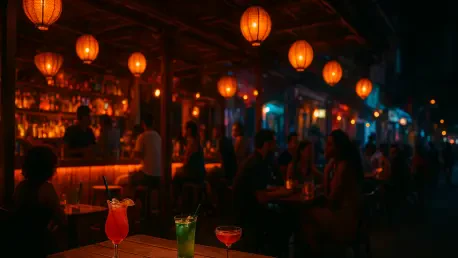

A remarkable 75 percent of survey respondents identified the ease of finding a sense of community as a defining characteristic of the nightlife experience in Ghana’s capital. This sentiment has propelled Accra to the 18th position on the 2026 Time Out list of the world’s most exceptional nightlife cities, marking a significant milestone for West African entertainment. The recognition is far from a mere tally of new bar openings or high-decibel clubs; instead, it represents a profound validation of the quality, inclusivity, and sheer accessibility that the city offers its residents and international visitors alike. For a city that has long been a regional cultural powerhouse, this global ranking confirms that Accra has successfully translated its local charm into a standardized international appeal. The core of this success lies in the city’s ability to remain inviting even as it scales its infrastructure to meet the demands of a modern, globalized audience. Patrons are no longer just looking for a place to dance; they are searching for spaces that foster genuine human connection, and this is where the Ghanaian capital excels compared to many of its more expensive counterparts across Europe and North America.
Economic Accessibility: The Foundation of Accra’s Global Standing
The fiscal landscape of global nightlife has undergone a dramatic transformation, and Accra’s rise is inextricably linked to its relative affordability. Recent data suggests that approximately 62 percent of participants in comprehensive nightlife surveys viewed the local scene as economically accessible. This is a critical differentiator in an era where evening entertainment in major hubs like London, New York, or Tokyo has become increasingly prohibitive for the average consumer. In Accra, the barrier to entry remains low enough that a diverse demographic can participate in the city’s social offerings. This economic inclusivity ensures that the nightlife does not become an elitist bubble, but rather remains a vibrant reflection of the city’s broader social fabric. When the cost of a night out is perceived as fair, it encourages spontaneity and frequent engagement, which in turn fuels the steady growth of the hospitality sector. This financial balance allows both luxury establishments and more grounded, local spots to thrive side-by-side, creating a healthy ecosystem where competition drives quality rather than just price hikes.
Beyond the raw numbers of currency exchange and menu pricing, the perceived value of an evening in Accra is significantly enhanced by the hospitality culture that permeates the city. Social connectivity is not a commodity that can be easily manufactured, yet Accra manages to offer it in abundance. The ease with which a newcomer can integrate into a social group at a bar or club is a recurring theme in the feedback provided by global travelers. This “community factor” serves as a powerful magnet for the African diaspora and international tourists who are increasingly looking for authentic experiences over generic, high-end luxury. The hospitality industry in the city has recognized that its greatest asset is this welcoming atmosphere, and as a result, many venues prioritize service styles that emphasize friendliness and personal interaction. This creates a feedback loop where the positive social energy of the city attracts more visitors, who then contribute their own energy to the scene, further solidifying the city’s reputation as a top-tier global destination for social butterflies.
Structural Trends: The Hybridization of Social Environments
One of the most fascinating developments in the current landscape of the city is the hybridization of social spaces. Establishments are moving away from the traditional, rigid definitions of “bar,” “restaurant,” or “club,” opting instead for a more fluid model that caters to various needs throughout a single evening. Republic Bar & Grill in the Osu district serves as a prime example of this trend, successfully blurring the lines between a casual neighborhood pub, a live music venue, and a high-energy social club. This versatility allows patrons to begin their evening with a quiet meal and deep conversation before seamlessly transitioning into a more energetic social experience as the night progresses. Such adaptability is highly prized by a modern audience that values convenience and variety without the logistical headache of moving between multiple locations. By providing a “one-stop-shop” for an entire night’s entertainment, these hybrid venues have set a new standard for urban social life in West Africa, making the nightlife experience more efficient and enjoyable for everyone involved.
Simultaneously, a maturing consumer market has given rise to a movement focused on niche and craft experiences. The emergence of dedicated spaces like Heritage Craft Brewery and Sai Wine Café indicates that a significant portion of the population is moving away from generic clubbing in favor of specialized culinary and beverage experiences. This shift toward artisanal quality highlights a growing sophistication among local consumers who are increasingly interested in the “how” and “why” behind what they consume. Craft breweries offer a space for conversation and the appreciation of local ingredients, while wine bars provide a sanctuary for those seeking a quieter, more intimate atmosphere. This diversification of the market ensures that the city’s infrastructure can accommodate an incredibly wide range of social personas. Whether someone is an aficionado of local craft spirits or a connoisseur of international wines, the city now possesses the specialized venues required to meet those demands. This evolution from general entertainment to specific, high-quality offerings is a hallmark of a world-class nightlife scene.
Geographic Hubs: From the Heart of Osu to the Growth in East Legon
The geography of entertainment in the city is both storied and rapidly expanding, with specific districts acting as the lungs of the social scene. Osu remains the undisputed heartbeat of the capital’s nightlife, known for its eclectic energy and a street-level vibrancy that is difficult to replicate elsewhere. It is here that venues like Purple Pub thrive, offering a grounded and traditional experience that serves as a vital touchstone for the city’s social identity. Purple Pub is often used as a foundational starting point for a night out, where friends gather to enjoy local food, watch sports, and decompress before venturing further into the night. This area represents the “soul” of the city, where the history of the neighborhood and the modern energy of its residents collide. The accessibility of Osu, coupled with its sheer density of options, makes it a reliable destination for any night of the week, ensuring that the city never truly sleeps and that there is always a place for people to gather and share in the collective energy of the capital.
In contrast to the historic charm of Osu, the neighborhood of East Legon has emerged as a powerhouse of modern, energetic alternatives that cater to a trendy and upwardly mobile demographic. This district reflects the rapid development of the city, with venues like Enzo Accra providing a premium experience that mirrors the aspirations of a new generation of socialites. The growth of East Legon as a nightlife destination has decentralized the city’s entertainment options, providing a high-quality alternative for those who reside in the northern parts of the capital. This geographic expansion is crucial for the long-term sustainability of the scene, as it prevents any single area from becoming over-saturated while allowing different neighborhoods to develop their own unique nocturnal identities. The shift toward East Legon also signifies the city’s increasing wealth and the subsequent demand for more polished, modern environments. This balance between the traditional, street-side energy of Osu and the sleek, contemporary offerings of East Legon creates a multifaceted urban experience that caters to all tastes.
High-Energy Destinations: Dance Culture and Modern Social Clubs
For many, the true test of a city’s nightlife lies in its ability to provide high-octane, late-night entertainment, and Accra does not disappoint in this regard. Bloom Bar has become a staple of this high-energy scene, recognized for its consistent ability to draw a vibrant crowd into its open-air environment. It is a venue defined by its “see and be seen” atmosphere, where the music is loud, the drinks are flowing, and the social energy is palpable. This type of venue is essential for sustaining the city’s reputation as a premier destination for groups of friends looking for a reliable Saturday night experience. The success of Bloom Bar lies in its simplicity and its commitment to maintaining a high level of excitement from the moment the doors open until the early hours of the morning. It serves as a reminder that sometimes the best nights out are those spent in a crowded, energetic space where the focus is entirely on the music and the collective celebration of the moment.
The evolution of the city’s dance culture is further exemplified by venues like Front/Back and Mad Club, which cater to a sophisticated and high-energy audience. Front/Back functions as a modern social club where aesthetics, curated music, and a specific dress code create an environment that feels exclusive yet remains rooted in the city’s cultural pulse. It attracts a fashion-forward crowd that values the artistic direction of their night out as much as the social interaction. On the other hand, Mad Club provides a more classic nightclub experience, focusing on high-decibel music and an intense atmosphere for those who want to dance until dawn. These establishments are complemented by luxury options like Skybar25, which leverages the city’s impressive skyline to offer a panoramic rooftop experience. By providing these high-intensity and visually stunning venues, the city ensures that it can compete with any global capital in terms of glamour and excitement. This tier of the nightlife scene is particularly important for attracting high-profile visitors and ensuring that the capital remains a fixture in the global conversation about modern entertainment.
Strategic Growth: Insights for the Development of West African Entertainment
The successful ascent of the city to the 18th position on the global rankings was a result of a carefully balanced social and economic ecosystem. By maintaining a focus on affordability and community, the hospitality sector managed to create an environment that was both profitable for owners and accessible for patrons. The city successfully leveraged its unique cultural identity to create spaces that felt authentic rather than manufactured, which resonated deeply with both local residents and the international community. This approach proved that a city does not need to compromise its soul to achieve global recognition. Instead, the focus was placed on enhancing the existing strengths of Ghanaian hospitality while adopting modern standards of service and variety. The integration of specialized venues, such as craft breweries and wine bars, demonstrated a clear understanding of the diversifying tastes of the modern consumer, ensuring that the city remained relevant across all demographic segments.
Moving forward, the lessons learned from this period of growth highlighted the importance of geographic decentralization and infrastructural investment. The development of East Legon into a secondary social hub reduced the pressure on the Osu district and allowed for a more diverse range of entertainment styles to flourish. This strategic expansion ensured that the city could accommodate an increasing number of visitors without losing the intimacy that made its community-focused nightlife so appealing in the first place. The city’s ability to provide everything from high-altitude luxury at Skybar25 to grounded, traditional experiences at Purple Pub created a robust framework for long-term cultural and economic success. By continuing to prioritize the “community factor” and the “hospitality factor,” the capital solidified its role as a leader in the global entertainment industry. The actionable path for other rising cities became clear: success is found not just in the number of lights and speakers, but in the strength of the social bonds formed within those walls.