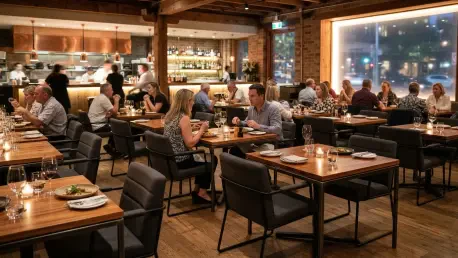

Commercial furniture must feature reinforced frames and high-density foam to withstand the daily rigors of a busy UK hospitality environment. In the competitive landscape of the London or Manchester dining scenes, an establishment’s longevity often hinges on the resilience of its physical interior just as much as its culinary output. Foshan, China, has solidified its position as the global epicenter for timber and upholstery manufacturing, offering UK operators an unparalleled opportunity to acquire custom pieces at a fraction of domestic costs. However, the scale of the Shunde district can be overwhelming for those unfamiliar with the nuances of international trade. Success in this market requires moving beyond the surface-level allure of aesthetic design to prioritize structural integrity and regulatory adherence. Establishing a robust supply chain from Foshan involves ensuring that every chair delivered can survive thousands of use cycles without structural failure.
Regulatory Compliance and Structural Benchmarks
Part 1. Adhering to British Safety Standards
The most critical hurdle for any UK-based importer is the stringent fire safety regulation known as BS 5852 Crib 5. This standard is non-negotiable for commercial premises, and failing to secure verified compliance can lead to severe legal liabilities or the voiding of insurance policies. When sourcing from Foshan workshops, savvy buyers must look past verbal assurances and demand authentic, batch-specific test reports for the foams and fabrics used in production. It is not enough to accept a generic certificate from a supplier; the documentation must correspond exactly to the materials being integrated into the restaurant’s order. This proactive approach to safety prevents the costly mistake of importing non-compliant goods that cannot be legally installed. Integrating these standards early in the design phase ensures that the final product maintains its visual appeal while meeting the chemical requirements necessary to protect the business assets.
Part 2. Implementing Structural Resilience Benchmarks
Beyond fire safety, the physical durability of furniture is measured against international standards such as EN 16139 Level L1, which is the baseline for general contract use in cafes and dining rooms. In the high-traffic environment of a modern eatery, chairs are subjected to constant movement and frequent cleaning with harsh chemicals. Foshan manufacturers capable of meeting these specifications typically utilize mortise and tenon joinery reinforced with corner blocks and high-grade adhesives rather than simple screw-and-glue methods. Specifying high-density foam with a minimum weight of 35kg/m³ ensures that seat cushions retain their shape and comfort over several years of service. By insisting on these technical specifications during the quoting process, restaurant owners shift the focus to long-term value. This rigor ensures that the investment remains functional and attractive throughout its intended lifespan, reducing the need for premature replacements.
Strategic Procurement and Logistics Management
Part 3. Executing Quality Control Protocols
The procurement process in Foshan is most effective when it incorporates a structured quality control mechanism, often facilitated by a specialized sourcing agent. For custom installations like built-in booths, which can range from $250 to $600 per linear meter, the creation of a physical 600mm signed-off sample is an essential safeguard. This control sample acts as a definitive benchmark for stitching precision, joint integrity, and fabric alignment during the pre-shipment inspection. By employing a transparent agency model with a modest 3-5% service fee, UK operators can maintain direct payment lines to factories while benefiting from local expertise. This arrangement eliminates hidden commissions and ensures that an objective third party verifies the goods before they are loaded into containers. Such meticulous attention to detail at the source prevents the arrival of defective items, which would be prohibitively expensive to repair once reached in the UK.
Part 4. Optimizing Shipping and Maintenance
Logistics planning represented the final, vital piece of the sourcing puzzle, focusing on cost optimization and future maintenance. Production timelines in 2026 typically spanned 30 to 45 days, followed by several weeks of sea freight, necessitating a lead time of at least four months. To maximize shipping efficiency, agents utilized knock-down packing techniques, which reduced the total volume of a shipment by 40% to 60%, significantly lowering the per-unit landing cost. Additionally, a forward-thinking strategy included ordering a small percentage of spare parts, such as floor glides and additional chair units, to address inevitable wear and tear. This approach proved more effective than relying on traditional international warranties, which were often difficult to execute due to shipping costs. The combination of consolidated shipments and a ready stock of components ensured that the restaurant remained operational, bridging the gap to the Foshan workshops.