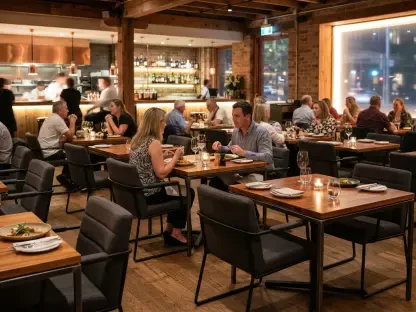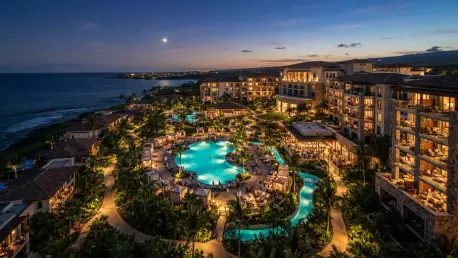

Hilton’s strategy of brand proliferation is showcased by its 25 distinct hotel brands, ranging from premium economy options to ultra-high-end residential luxury experiences. This massive organizational structure has allowed the company to cement its status as a preeminent titan in the global hospitality industry, managing a portfolio that now encompasses 9,494 hotels and nearly 1.4 million rooms. Spanning 144 countries and territories, this reach is not merely a matter of quantity but a result of a meticulously planned five-tier system: Luxury, Lifestyle, Full-Service, Focused-Service, and All-Suites. By providing a diverse roadmap of market positioning, the group manages the vast spectrum of traveler needs with surgical precision. As of late 2026, the company continues to leverage its extensive data to refine how it serves both budget-conscious travelers and those seeking palatial service. The sheer scale of this operation is supported by a development pipeline of nearly 4,000 additional hotels, suggesting that the brand’s footprint will only deepen in the coming years. This growth is sustained by an asset-light model that prioritizes franchising and management agreements, allowing for rapid expansion without the heavy capital requirements of property ownership. By maintaining this rigorous hierarchy, the group ensures that every property, regardless of its price point, contributes to a cohesive global ecosystem that captures market share across every demographic and geographic region.
High-End Exclusivity: The Strategic Value of Prestige
The luxury segment remains the pinnacle of the group’s prestige, even though it represents the smallest portion of the total portfolio with just 118 hotels. This intentional scarcity maintains the high-barrier-to-entry allure that defines brands like Waldorf Astoria and Conrad. The Waldorf Astoria brand, in particular, serves as the standard-bearer for the entire company, highlighted by the recent reopening of its iconic New York location following a massive restoration project. This tier is not just about high room rates; it provides a vital “halo effect” that elevates the perception of all other brands under the corporate umbrella. By offering ultra-high-end experiences that can command over €1,000 per night, the company establishes itself as a leader in sophisticated travel and historical preservation. Furthermore, the inclusion of LXR Hotels & Resorts allows independent luxury properties to maintain their unique local identities while utilizing the group’s global distribution and reservation systems. This flexibility attracts property owners who want the power of a global giant without sacrificing the boutique charm that discerning travelers often crave. The recent integration of NoMad Hotels has further strengthened this category, bringing a residential-style luxury with a European spirit to the forefront of the portfolio.
Expanding beyond traditional luxury, the Lifestyle tier has become the most diverse and rapidly growing category, currently featuring nine distinct brands and over 550 hotels. This segment reflects a fundamental shift in traveler preferences toward hotels that feel local and unique rather than corporate or standardized. The Curio and Tapestry Collections serve as the twin pillars of this strategy, operating as “soft brands” that allow independent hotels to join the ecosystem while keeping their original names and distinct personalities. This approach has proven highly successful in university towns through the Graduate and Undergraduate brands, which utilize campus-inspired decor to create a sense of community and nostalgia. Additionally, the launch of the Select brand in early 2026 has allowed the group to integrate established independent entities into its loyalty program, further broadening its appeal. Brands like Tempo and Motto target specific lifestyle niches, such as wellness and urban flexibility, ensuring that the company remains relevant to younger, experience-oriented travelers. This multifaceted lifestyle strategy allows the group to compete effectively with boutique startups while providing the reliability and rewards that come with a massive global loyalty network.
The Industrial Engine: Achieving Dominance via Scale
While the luxury and lifestyle segments provide the prestige, the Full-Service and Focused-Service tiers serve as the industrial heart of the global operation. The flagship Hilton Hotels & Resorts brand remains the most recognized hotel name worldwide, spanning 93 countries and carrying over a century of history. It is complemented by DoubleTree by Hilton, which actually outnumbers the flagship in total hotel count and serves as a versatile upscale option for both business and leisure travelers. These two brands represent the core identity of the company, providing the consistent quality and extensive meeting spaces required for major international conventions and corporate travel. Their presence in nearly every major global hub ensures that the company remains the first choice for travelers who prioritize reliability and standardized excellence. The scale of these operations provides the company with significant bargaining power in procurement and distribution, which in turn improves the profitability of individual properties and makes the brands more attractive to potential franchisees and developers across the globe.
The true driver of massive scale, however, is the Focused-Service tier, which accounts for more than half of the entire global portfolio with over 5,000 properties. Hampton by Hilton is the undisputed giant of this segment, with more than 3,250 hotels offering a consistent “hot breakfast included” model that has become a favorite for mid-scale travelers. This tier is designed to provide high-quality essentials without the overhead of full-service amenities, making it incredibly efficient and profitable. The recent growth of Spark by Hilton, a brand focused on the “premium economy” segment, highlights the company’s ability to move quickly into new market territories. By focusing on conversions rather than just new construction, the company has been able to bring existing hotels into its system with remarkable speed. This strategy allows the group to dominate the value-driven market while maintaining a high standard of service and cleanliness. Brands like Tru by Hilton further complement this by targeting a more youthful demographic with vibrant social spaces and simplified offerings, ensuring that the company captures the next generation of travelers as they begin their professional lives and start building brand loyalty.
Residential Adaptation: Meeting the Needs of Long-Term Guests
The rise of the digital nomad and the increasing demand for long-term accommodations have led to a significant expansion of the All-Suites and Extended Stay tier. Brands like Home2 Suites and Homewood Suites dominate this particular market by offering fully equipped kitchens and layouts that prioritize functionality for guests staying several weeks or even months. This segment is crucial for capturing the business of contractors, relocating families, and long-term project teams who require more space and self-sufficiency than a standard hotel room can provide. By focusing on residential-style amenities, the company has successfully positioned itself against short-term rental platforms and third-party apartment services. The efficiency of these properties, which often require fewer staff members than full-service hotels, makes them highly attractive to owners looking for steady, long-term returns. This segment’s resilience during economic shifts has proven to be a key asset for the company’s overall financial stability, providing a reliable stream of revenue even when short-term leisure travel fluctuates.
In addition to the mid-scale extended-stay options, the company has also expanded its reach into the upscale residential market through brands like Embassy Suites and the specialized Apartment Collection. Embassy Suites is famous for its two-room suites and complimentary evening receptions, offering a level of comfort that appeals to both families and business travelers who want separate spaces for work and sleep. Meanwhile, the Apartment Collection targets the ultra-long-stay market, providing furnished apartments with up to four bedrooms for guests who need a true home-away-from-home experience. By offering these diverse options, the group ensures that it can accommodate any length of stay, from a single night to several months. This versatility is a key component of the company’s strategy to become a total travel solution, preventing customers from leaving the brand ecosystem when their needs change. The integration of these properties into the broader loyalty program further incentivizes long-term guests to remain within the brand family, as the points accumulated during a month-long stay can often be redeemed for a luxury vacation at a Waldorf Astoria or Conrad resort.
Economic Integration: The Power of Loyalty and Pricing Tiers
The success of this 25-brand strategy is inextricably linked to the Hilton Honors loyalty program, which now boasts a massive membership of more than 270 million people worldwide. This program acts as a unifying currency that spans every tier of the portfolio, from the budget-friendly Spark to the ultra-luxury LXR properties. By using a single reward system, the company creates a powerful incentive for travelers to remain loyal regardless of their current budget or destination. A traveler might stay at a Hampton for a quick business trip, earn points, and then redeem those points for a milestone anniversary stay at a luxury resort. This “cradle-to-grave” strategy captures customers early in their lives and retains them as their earning power grows over time. The pricing dynamics within the ecosystem are equally sophisticated, with room rates in a single city often varying by over 1,000% between different brands. This wide range allows the company to capture the maximum possible share of the travel market, ensuring that there is a suitable room for every traveler at every price point in nearly every major city on earth.
The conclusion of this analysis focused on how the company’s strategic choices in 2026 established a roadmap for long-term resilience and financial growth. The shift of the company’s shares to the Nasdaq underscored a broader evolution in its financial strategy, emphasizing the value of its asset-light, brand-heavy model. Property owners and investors found that the group’s focus on conversions and diverse brand offerings provided a hedge against market volatility, as the company could pivot toward value brands or luxury properties depending on economic conditions. For those operating within the hospitality sector, the actionable takeaway was clear: success in the modern market required a balance between industrial scale and hyper-localized authenticity. The company proved that a global giant could still feel personal by empowering individual brands to maintain their unique identities while backed by a massive technological and loyalty infrastructure. Looking forward, the group’s ability to integrate new technology and maintain its rigorous tier standards will likely remain the primary driver of its continued dominance in the global hospitality landscape.