
The Phoenix property is being developed under an exclusive license from Atari to create a venue where digital innovation meets traditional guest services and amenities. As the hospitality landscape undergoes a radical transformation, the concept of a stay is being redefined by the demand for interactive environments that transcend the simple provision of a bed and a meal. In the heart of the Roosevelt Row district, a new architectural landmark is rising to challenge the status quo by merging the nostalgia of the golden age of arcade gaming with the high-stakes world of modern esports. This venture represents a calculated bet on the belief that travelers are no longer just seeking a destination, but a cohesive community experience that mirrors their digital lifestyles. By anchoring the project in a district known for its artistic vibrancy, the developers are signaling a move toward a more integrated form of tourism where the boundaries between gaming, art, and hospitality become increasingly blurred. This specific approach ensures that the property serves as more than just a hotel; it acts as a cultural hub for a generation that views digital interaction as a primary form of social engagement.
Strategic Foundation: Development and Architectural Vision
Phase-Based Construction: From Demolition to Foundation
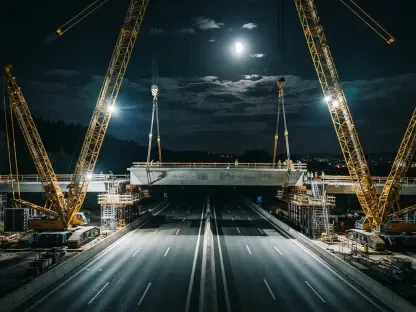
Construction has officially commenced on the flagship site, marking a significant milestone for the brand’s physical expansion. The development team at Intersection Development has initiated a rigorous two-phase execution strategy to ensure the project meets its ambitious late 2028 or early 2029 completion window. Phase 1 is currently underway, involving the systematic clearing of the site and the demolition of pre-existing structures to make way for a foundation capable of supporting heavy digital infrastructure. This initial stage is crucial for stabilizing the urban plot in Roosevelt Row, a neighborhood that has become a magnet for creative professionals and tech-driven enterprises. By starting from the ground up, the project ensures that the necessary fiber-optic cabling and power grids required for high-performance gaming are baked into the very skeleton of the building. This phase represents the transition from conceptual blueprints to a tangible physical presence, setting the stage for the vertical growth of the facility. The meticulous planning involved in this stage reflects a commitment to long-term structural integrity and the specialized technical needs of a futuristic venue.
Sustainable Design: Integrating Brand Heritage with Local Culture
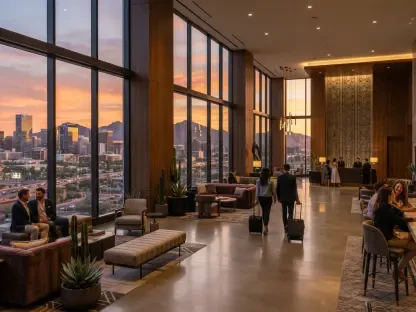
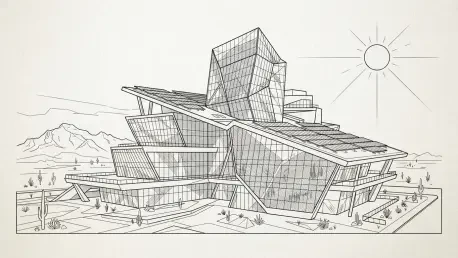
The design responsibility for this pioneering project rests with the architecture firm räkkhaus, which is renowned for its ability to synthesize sustainable building practices with innovative aesthetic concepts. Instead of creating a sterile, corporate environment, the architects are focusing on a design language that honors the local culture of Phoenix while incorporating the sleek, futuristic elements associated with the Atari brand. This involves the use of locally sourced materials and energy-efficient systems that mitigate the environmental impact of such a large-scale facility. High-performance glass, solar-ready roofing, and advanced climate control systems are integrated to address the specific environmental challenges of the Arizona desert. The goal is to create a building that feels alive, utilizing dynamic lighting and modular interiors that can be reconfigured as technology evolves over the coming years. This focus on sustainability ensures the hotel remains viable and efficient long after its opening, while the visual design pays homage to the legacy of gaming. The result is a structure that serves as a bridge between historical software icons and the modern environmental requirements of urban development.
Operational Impact: Hospitality in the Gaming Era
Immersive Amenities: The Esports Arena and Creator Studios
At the core of the hotel’s value proposition is a massive 2,000-plus capacity arena specifically engineered for esports tournaments and live concerts. This facility is not merely an afterthought but a central pillar of the hotel’s design, intended to draw international crowds and professional gaming teams to the heart of Phoenix. To support this level of competition, the arena is equipped with the latest in broadcasting technology, allowing for high-definition streaming to global audiences in real-time. This focus on live events positions the hotel as a key player in the global entertainment circuit, capable of hosting everything from major gaming championships to tech product launches. Complementing the arena are specialized amenities like creator studios where influencers can produce professional-grade content. These guest rooms are outfitted with high-end gaming rigs and ergonomic furniture, ensuring that the hotel serves as a comprehensive lifestyle hub for the modern digital nomad. By providing these dedicated spaces, the venue caters to a specific demographic that requires high-performance tools integrated into their travel experience, successfully bridging the gap between work and play.
Strategic Outcomes: Market Positioning and Long-Term Scalability
The decision to launch this ambitious project in Arizona demonstrated a clear shift in how developers approached the integration of niche entertainment and luxury lodging. Stakeholders emphasized that the next critical step involved the finalization of high-speed data infrastructure and the establishment of partnerships with major gaming leagues to secure a steady calendar of events. Those looking to replicate this model recognized the importance of site selection within culturally active districts to ensure year-round local engagement rather than relying solely on seasonal tourism. It became evident that success depended on maintaining the delicate balance between high-tech functionality and the personalized service expected of a premium hotel brand. Moving forward, industry analysts suggested that hospitality firms prioritized the inclusion of modular technology to avoid rapid obsolescence. By focusing on flexible social spaces and specialized content creation tools, the project provided a roadmap for future developments in the immersive sector. The financial backing from prominent figures in the creator economy further validated the commercial potential of blending physical real estate with digital culture.