
In an era where the term “Mediterranean” has become a catch-all marketing label for diverse cuisines ranging from Greek to Moroccan, discerning diners increasingly seek the specific nuance of authentic Arabic culinary traditions. Zaytoona, an established gem in O’Fallon, Missouri, operates as a stark contrast to the homogenized corporate chains that often dilute regional flavors for mass appeal. By focusing exclusively on the heritage of Arabic cooking, this family-run enterprise preserves the integrity of spices, techniques, and hospitality that define the Levant and surrounding regions. The rise of such specialized establishments reflects a broader cultural shift toward transparency and depth in the 2026 dining landscape, where patrons prioritize the narrative and technical skill behind every plate. This particular restaurant manages to balance the comfort of a local neighborhood spot with the rigorous standards of high-end traditional kitchens, proving that authentic flavors do not require a city center to thrive.
Designing for Community and Comfort
The Intersection of Space and Storytelling
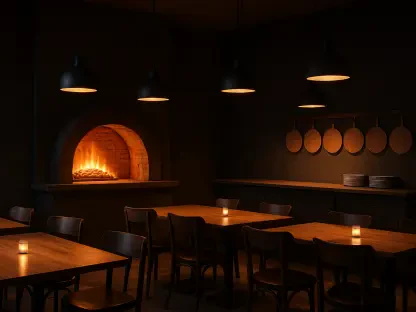
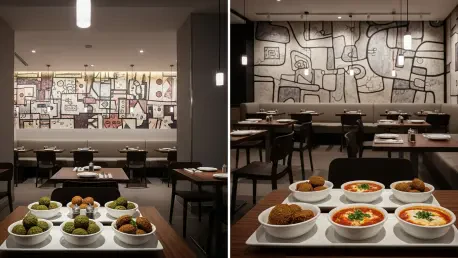
The physical environment of the establishment is purposefully divided to accommodate different social dynamics, ensuring that the architecture of the space supports the cultural practice of communal dining. A smaller, more intimate front dining area greets visitors upon entry, offering a quiet niche for quick lunches or private conversations, while the larger back room provides an expansive setting for family gatherings. The centerpiece of this secondary space is a vibrant, custom mural that serves as a visual anchor, grounding the modern Missouri setting in the aesthetic traditions of the Middle East. This layout acknowledges that a meal is rarely just about the food; it is an event that requires a specific atmosphere to facilitate connection and relaxation. By avoiding the cramped seating arrangements common in modern fast-casual joints, the venue encourages guests to linger over their conversation. This deliberate design choice reinforces the idea that hospitality is an active service rather than a backdrop.
Elevating Staples Through Technical Precision
While many restaurants treat rice as a secondary filler to occupy space on a platter, the kitchen here elevates its signature basmati rice to the status of a primary attraction through meticulous preparation. The grains are processed to achieve a light, fluffy texture that remains distinct and separate, avoiding the clumped consistency often found in less disciplined kitchens. Infused with a bright yellow hue and a subtle but unmistakable lemony tang, the rice provides a refreshing acidic counterpoint to the rich, savory proteins served alongside it. This attention to a foundational staple demonstrates a deep understanding of culinary balance, where even the simplest components are treated with the same reverence as the main entrees. Regular visitors frequently highlight this rice as a reason for their return, which speaks to the technical proficiency required to make such a common ingredient memorable. By perfecting the aromatics, the chefs ensure that the rice serves as both a palate cleanser and a flavorful foundation.
Mastery of Fire and Fresh Ingredients
Artistry in Small Plates and Starters
The selection of meze, or appetizers, serves as an essential introduction to the kitchen’s commitment to freshness and the traditional ratios of Middle Eastern flavor profiles. The hummus stands out for its exceptionally smooth texture, achieved through a precise balance of chickpeas and high-quality tahini that avoids the graininess often found in pre-packaged alternatives. When paired with warm, pillowy pita bread, it offers a rich and creamy start to the meal that is both comforting and sophisticated. Similarly, the falafel is prepared using a method that prioritizes the contrast between a shatteringly crisp exterior and a moist, herb-saturated interior. Rather than relying on heavy binders, the kitchen emphasizes the natural flavors of the legumes and fresh greens, resulting in a vibrant green center that feels light despite being deep-fried. These small plates are not merely precursors to the main event but are essential demonstrations of the labor-intensive techniques required to maintain authenticity.
The Charred Excellence of Open-Flame Grilling
Transitioning to the heavier portions of the menu, the restaurant utilizes open-flame grilling to impart a distinct smokiness that cannot be replicated with standard convection ovens or flat-top grills. The kufta kabobs, crafted from a seasoned mixture of ground lamb and beef, are grilled until they develop a deep char while retaining a juicy, tender core that bursts with the warmth of traditional spice blends. This mastery of heat control extends to the yogurt-marinated chicken, where the acidity of the marinade tenderizes the meat and allows it to caramelize beautifully over the fire, yielding a bright, citrus-forward profile. For those seeking vegetable-centric options, the shakshuka provides a robust alternative, featuring eggs poached directly in a rich, spiced tomato and pepper stew. This dish highlights the versatility of Arabic cuisine, showcasing how simple, high-quality ingredients can be transformed through slow-cooking methods into something deeply nourishing for the diner.
Cultural Anchors and Future Perspectives
Traditional Beverage Rituals and Palate Cleansing
A comprehensive Arabic meal is incomplete without the inclusion of traditional beverages that serve to balance the heavy spices and rich oils of the savory courses. The Arabic coffee offered is a potent, high-caffeine brew that provides an earthy, robust finish to the dining experience, often served in small cups to be sipped slowly. In contrast, the Middle Eastern mint tea offers a lighter, more aromatic option that utilizes fresh mint leaves to create a soothing and digestive-friendly conclusion to the afternoon or evening. While the availability of traditional desserts like baklava may vary based on daily production, these beverages ensure that the transition from dinner to the post-meal social hour is seamless and culturally accurate. By maintaining these beverage traditions, the restaurant preserves the full arc of the dining ritual, moving beyond the plate to include the sensory experiences of aroma. These final touches distinguish a good meal from an immersive encounter, reinforcing the role as a steward of heritage.
Actionable Insights for Authentic Dining
The success of specialized establishments like Zaytoona indicated that the future of the food industry relied on a shift away from broad generalizations toward hyper-regional transparency. Diners who prioritized quality and authenticity found that supporting family-run businesses provided a direct link to culinary histories that were otherwise at risk of being lost to industrialization. For those looking to replicate this level of excellence, the primary takeaway was that technical mastery of foundational ingredients, such as rice and legumes, served as the most reliable indicator of overall kitchen quality. The move toward open-flame cooking and fresh, herb-heavy preparations offered a sustainable model for restaurants seeking to offer health-conscious yet flavorful alternatives to traditional fast food. As the market continued to favor depth over breadth, the focus remained on preserving the specific nuances of Arabic cuisine through both design and flavor, creating a lasting impact on the local community.