
Navigating a busy international airport often presents an overwhelming gauntlet of sensory triggers, physical obstacles, and bureaucratic hurdles for travelers living with disabilities. For many, the dream of global exploration remains sidelined by the fear of navigating unfriendly environments or encountering staff members who lack the specific training to assist them effectively. Air New Zealand has addressed this systemic issue by moving beyond the standard legal requirements of accessibility to create a deeply integrated ecosystem of inclusion that permeates every level of its operations. By shifting the perspective from simple compliance to a genuine culture of advocacy, the airline ensures that diversity is treated as a core operational strength rather than a logistical challenge. This commitment involves a sophisticated blend of employee-led advocacy groups, high-tech simulations, and specialized communication protocols designed to support both visible and invisible disabilities. The result is a travel experience where every passenger, regardless of physical or cognitive needs, is treated with dignity and proactive care throughout their entire journey across the globe.
Fostering a Culture: Authentic Representation
Empowering the Internal Workforce
The foundation of this organizational shift is the Enable Network, a dedicated internal advocacy group comprised of employees who either live with disabilities or serve as primary caregivers for those who do. For nearly a decade, this group has served as a critical advisory body, working tirelessly to dismantle institutional biases and influence the airline’s recruitment strategies to reflect a more diverse society. By prioritizing the philosophy of “strengths before labels,” these staff members provide the authentic, lived-experience insights necessary to shape services that are truly effective for the modern traveler. This internal representation ensures that the needs of passengers are not just hypothesized by corporate planners but are instead validated by individuals who understand the nuances of accessibility. This proactive internal culture has successfully shifted the airline’s focus from providing mere assistance to fostering a workplace environment where every employee is empowered to advocate for inclusive practices. Consequently, the airline has managed to attract and retain a workforce that is uniquely qualified to understand the specific needs of a diverse global customer base.
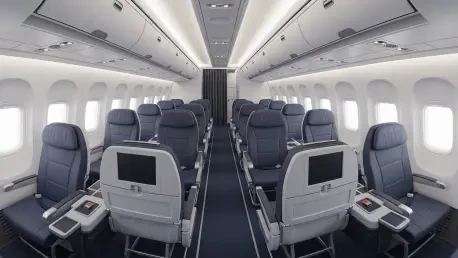
Beyond internal advocacy, the airline has pioneered a specialized flight familiarization program specifically designed to support neurodivergent travelers and their families during the travel process. This initiative utilizes a high-fidelity cabin simulator to replicate a full day of travel, allowing participants to practice essential steps like checking in, navigating security checkpoints, and boarding an aircraft in a controlled, low-pressure environment. By removing the unpredictable sensory barriers of a bustling airport, the program helps to alleviate the anxiety often associated with air travel for individuals with autism or sensory processing disorders. The success of this simulation program is reflected in its tangible results, with more than half of the participants gaining the confidence needed to proceed with actual international or domestic travel plans after their practice sessions. This hands-on approach demonstrates a deep understanding of the psychological barriers to travel, providing a safe space for families to identify potential challenges and develop coping strategies before they ever step foot in a real terminal. This method of preparation has become a cornerstone of the airline’s strategy to make global travel more accessible to everyone.
Simulating the Passenger Experience
Implementing these simulations required a significant investment in both technology and human resources to ensure the experience felt as authentic as possible for the participants involved. The training sessions are led by experienced cabin crew who have been specifically trained to handle various behavioral responses and sensory sensitivities in a supportive manner. This allows families to test different coping mechanisms, such as noise-canceling headphones or specialized visual aids, in an environment that mimics the exact layout of the aircraft they will eventually fly on. By providing this level of detailed preparation, the airline has managed to lower the barrier of entry for families who previously felt that flying was an impossible task due to the unpredictable nature of the airport environment. The feedback from these sessions has been overwhelmingly positive, with many parents reporting that the ability to walkthrough the process beforehand transformed their perspective on international travel. This program serves as a model for how the aviation industry can use simulation technology to solve human problems, moving beyond pilot training to enhance the passenger experience for those with unique sensory needs.
Furthermore, these familiarization events serve as a continuous feedback loop for the airline, allowing staff to observe real-world interactions and adjust their service protocols accordingly. For instance, observations made during these simulations have led to improvements in the way boarding announcements are phrased and how security personnel interact with individuals who may be non-verbal. This commitment to iterative improvement ensures that the airline’s accessibility initiatives are never static but are instead constantly evolving based on the actual needs of the community. The data collected from these sessions has also informed the design of quieter zones in airport lounges and more intuitive signage throughout the terminal, benefiting all travelers by creating a more organized and less stressful environment. By treating the simulation as a laboratory for inclusion, the airline has established a protocol that balances operational efficiency with a high degree of personal sensitivity. This holistic approach ensures that every aspect of the passenger journey is scrutinized through the lens of accessibility, resulting in a more refined and compassionate service model.
Strategic Integration: Accessibility Tools
Addressing Non-Apparent Challenges
Recognizing that not all disabilities are immediately visible to the naked eye, the airline has fully embraced the Hidden Disabilities Sunflower program to assist those with non-apparent needs during their journey. This global initiative allows passengers wearing sunflower-branded lanyards or pins to discreetly signal that they might require additional time, clearer instructions, or specific assistance without needing to disclose their private medical information. To ensure this system is effective, frontline staff undergo rigorous specialized training to recognize these symbols and respond with the appropriate level of care and patience. Crew members who complete this training are also awarded their own pins, creating a visible, two-way channel of communication that builds trust between the staff and the passengers they serve. This system effectively removes the burden of explanation from the traveler, allowing for a more seamless and dignified experience through the various stages of the airport environment. By formalizing this method of identification, the airline provides a consistent safety net for individuals living with conditions such as chronic pain, anxiety, or cognitive impairments that may not be obvious to others.
The impact of the sunflower program extends beyond individual interactions, as it helps to normalize the presence of hidden disabilities in public spaces and encourages a more empathetic social environment. Passengers who utilize these lanyards have reported feeling a significant reduction in travel-related stress, knowing that they will be met with understanding rather than judgment if they need to move slowly or ask for extra help. This cultural shift within the terminal is supported by the airline’s broader marketing and awareness campaigns, which educate the general public on the meaning of the sunflower symbol and the importance of patience. By championing this cause, the airline has helped to build a more inclusive travel community where diversity is recognized in all its forms, both visible and invisible. This initiative is particularly important in the high-stress context of aviation, where the pressure to move quickly through queues can often marginalize those who need a different pace. The success of this program demonstrates that even small, low-tech interventions can have a profound effect on the quality of life for travelers when they are backed by comprehensive staff training and organizational commitment.
Enhancing Linguistic Accessibility
Linguistic inclusion is another pillar of the airline’s comprehensive strategy, with a particular focus on integrating New Zealand Sign Language (NZSL) into its standard operational procedures. In a close partnership with organizations like Deaf Aotearoa, the carrier has developed advanced learning modules for its staff to ensure that deaf and hard-of-hearing passengers can communicate their needs effectively. This commitment has even extended to operating specialized flights where all primary services and announcements were conducted entirely in sign language, setting a new benchmark for auditory accessibility in the aviation industry. Crew members are encouraged to become proficient in essential travel-related signs, such as those for safety instructions, meal service, and navigation, which significantly reduces the communication gap for passengers who rely on visual language. This initiative not only enhances the safety and comfort of deaf travelers but also fosters a more inclusive atmosphere where linguistic diversity is celebrated rather than viewed as a barrier. By standardizing these communication tools, the airline ensures that all passengers have equal access to vital information and personalized service throughout their flight experience.
The integration of sign language into the cabin environment also serves as a vital safety measure, ensuring that emergency instructions are accessible to everyone on board regardless of their hearing status. By providing visual and signed alternatives to traditional announcements, the airline mitigates the risk of confusion during critical moments, which is a fundamental requirement for modern aviation safety. Furthermore, the presence of sign-language-proficient staff members helps to build a stronger emotional connection with deaf passengers, who often feel isolated or ignored in environments that rely solely on auditory cues. This proactive approach to linguistic diversity has encouraged other carriers to re-examine their own communication protocols and consider the benefits of a more inclusive multi-modal approach. As the global travel industry continues to evolve, the ability to communicate across different languages and formats will become an increasingly important differentiator for brands that prioritize customer care. The airline’s leadership in this area has proven that investing in linguistic accessibility is not only a moral imperative but also a practical strategy for improving the overall safety and satisfaction of a global audience.
Operationalizing Excellence: Global Impact
Codifying Care and Professional Standards
The various initiatives and philosophies regarding accessibility have been meticulously codified in the “Customer Manaaki Guide,” which serves as an essential operational manual for all staff members. This document is deeply rooted in the Māori concept of manaaki, which emphasizes the importance of hospitality, mutual respect, and the holistic care of guests. The guide ensures that accessibility remains a top priority even during the most stressful travel disruptions, providing personnel with clear, actionable instructions on how to maintain inclusive communication and support under pressure. By embedding these principles into a formal guidebook, the airline has transformed abstract values into a standardized set of professional behaviors that define the daily conduct of its workforce. This dedication to operational excellence has not gone unnoticed by the global aviation community, as the airline has consistently earned top honors from major travel publications and safety auditors. These experts view the airline’s culture of care not just as a marketing strategy, but as a legitimate benchmark for the entire industry to follow. This formalization of inclusive practices ensures that the high standard of care remains consistent across every flight and every interaction.
Maintaining this standard requires a continuous cycle of training, assessment, and refinement to ensure that the principles of manaaki are lived out in every department, from ground handling to executive leadership. The guide is regularly updated with new insights from the Enable Network and feedback from passengers, ensuring that it stays relevant in the face of changing travel trends and technological advancements. This living document serves as a constant reminder that inclusive service is a journey of continuous improvement rather than a destination to be reached. By making accessibility a core component of its operational identity, the airline has created a resilient framework that can withstand the logistical complexities of modern air travel. This approach has also fostered a sense of pride among employees, who see themselves as ambassadors for a more inclusive world rather than just service providers. The integration of traditional cultural values with modern operational standards has resulted in a unique service model that is both highly efficient and deeply human. This balance is what sets the airline apart as a leader in global travel, proving that a focus on human dignity is the most effective way to drive organizational excellence.
Implementation Strategies: Building a More Inclusive Global Network
Looking toward the continued evolution of the aviation industry, it was clear that the path to true inclusion required more than just modern equipment; it demanded a fundamental shift in how organizations perceived and interacted with diverse populations. Airlines and travel providers were encouraged to implement internal advocacy networks that prioritized the lived experiences of their employees to guide policy decisions effectively. Furthermore, the adoption of standardized tools like hidden disability identifiers and sign language training became the baseline for global carriers seeking to provide a safe and equitable environment for all travelers. Success in simulation-based familiarization programs suggested that the industry had to invest more in psychological accessibility to complement physical infrastructure improvements. Leaders in the sector recognized that by codifying these practices into operational manuals, they ensured that inclusive care remained resilient during times of crisis. Ultimately, the aviation community was tasked with adopting a more empathetic and proactive approach to service design, ensuring that global travel was no longer a daunting prospect for those with specialized needs. By focusing on these actionable frameworks, the industry moved closer to a reality where accessibility was integrated into the very DNA of global transportation.