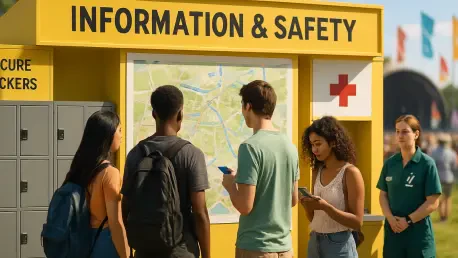

As the summer sun warms the ancient coastal stones of Split or the lush greenery of Boom, thousands of American students find themselves drawn to the electric energy of Europe’s most iconic music festivals. While these events promise unforgettable cultural experiences and significant personal growth, the logistical complexities of navigating massive crowds in unfamiliar foreign environments introduce a unique set of safety considerations that must be addressed proactively. Since international education programs have seen a significant resurgence through 2026, the intersection of student travel and the European festival circuit has become a primary focus for risk management experts. Events like Ultra Europe in Croatia and Tomorrowland in Belgium are no longer just weekend concerts; they have transformed into massive, high-density ecosystems that require a sophisticated level of situational awareness. Understanding the balance between the intense thrill of the music and the absolute necessity of personal security is essential for any student looking to maximize their time abroad while minimizing potential hazards. Most safety experts agree that while these venues are generally secure, the shifting dynamics of global travel require a modern approach to individual preparedness that goes beyond basic common sense.
1. Evaluating the Modern Security Landscape of European Festivals
The primary security findings for 2026 indicate that the nature of risks at these massive gatherings is largely avoidable and focused on petty crime rather than violent threats. While the prospect of terrorism or large-scale violence often dominates the news cycle, the reality on the ground is that most students face challenges related to theft, lost identification, and minor medical issues. Professional security teams at events like Tomorrowland have implemented high-tech surveillance and crowd-control measures that have successfully mitigated major security breaches. However, the sheer density of the crowd provides a fertile environment for opportunistic pickpockets who specialize in targeting distracted individuals. Data suggests that students who maintain high situational awareness and secure their valuables in lockers or anti-theft bags are significantly less likely to experience a negative incident. By shifting the focus from rare, catastrophic events to the daily realities of crowd navigation, students can better prepare for the actual environment they will encounter during their travels.
The distinction between urban festivals like Ultra Europe and self-contained environments like Tomorrowland is a critical factor in how students should approach their personal safety. Ultra Europe, situated in the city of Split, requires students to move between urban venues, local beaches, and various nightlife hubs, often late at night when public transit options might be limited. This integration into a living city introduces variables like interaction with non-festival participants and navigating unfamiliar streets. In contrast, Tomorrowland operates as a more controlled “city” within itself, where the primary challenge lies in the sheer volume of attendees and the potential for communication blackouts due to overloaded cellular networks. Logistics and transport congestion at the end of the night can leave students stranded if they have not pre-arranged their exit strategy. Both environments demand a different tactical approach to safety: one focused on urban navigation and the other on internal crowd dynamics and resource management, ensuring that students remain connected and mobile throughout the event.
2. Analyzing the Intersection of Cultural Immersion and Student Vulnerability
The growth of festival-driven tourism in Europe has positioned these events as premier venues for cultural immersion and international networking among the global youth. Students often view these festivals as a rite of passage, offering a unique opportunity to interact with peers from dozens of different countries in a high-energy setting. This networking potential is a significant draw, as it allows students to build international connections that often last long after the final set of the weekend. However, the very atmosphere that encourages openness and socialization can also lead to a temporary lapse in the cautious behavior that students might otherwise practice in their home countries. The desire to fully immerse oneself in the festival culture can sometimes overshadow the need for prudent decision-making, especially when students are operating in a language they do not fully master. This blend of cultural curiosity and relaxed vigilance creates a specific vulnerability profile that local authorities and study abroad advisors must address through targeted education.
Several factors contribute to the increased risk profile of international students compared to local festival-goers, primarily their unfamiliarity with local laws and lack of local support systems. While a local resident might understand the nuances of the regional legal system or know which neighborhoods to avoid after midnight, a study abroad student is often operating on limited or outdated information. Language barriers can further complicate matters, making it difficult to communicate with security personnel or understand emergency announcements broadcast over public address systems. Additionally, students often lack the immediate safety net of family or long-term friends who can provide assistance during a crisis. This isolation is compounded by the fact that many students are navigating these massive events with a limited understanding of how local emergency services operate. Without a pre-established plan or a local contact, a minor logistical hiccup can quickly escalate into a more serious safety concern, highlighting the importance of building a support network before arriving at the festival gates.
3. Addressing Specific Hazards and Logistical Challenges for Travelers
Theft remains the most prevalent crime at large-scale music festivals, with pickpockets frequently targeting high-value electronics and essential travel documents in dense crowds. Professional criminal groups often operate in these environments, taking advantage of the sensory overload and physical proximity inherent in a festival setting. For a student, the loss of a smartphone is not just a financial setback; it is the loss of their primary navigation tool, communication device, and digital wallet. Even more critical is the theft of passports or national ID cards, which can lead to significant administrative hurdles and the potential for identity theft. Travelers are encouraged to utilize concealed money belts or specialized festival clothing with locking pockets to deter these opportunistic crimes. By recognizing that high-density areas like front-of-stage zones and food lines are prime locations for theft, students can adopt a more defensive posture regarding their personal belongings, ensuring that their essential items remain secure even in the most chaotic moments of the event.
Navigating the logistical hurdles of a massive festival requires a level of planning that many students overlook until they are already on-site. The pressure on local transport systems during peak entry and exit times is immense, often leading to long wait times and the temptation to use unofficial transit options. Engaging with unlicensed taxis or accepting rides from strangers can expose students to various safety risks, ranging from overcharging to more serious personal safety threats. Beyond transportation, managing one’s physical health in high-heat environments is a constant challenge that requires disciplined self-care. Dehydration and physical strain are common issues that can lead to medical emergencies if not managed correctly. In the heat of the European summer, students must prioritize consistent water intake and regular meals to maintain their stamina. Substance-related emergencies also pose a risk, particularly when students are unaware of the potency or legality of substances in a foreign jurisdiction. Maintaining physical wellness is a foundational element of safety that allows students to remain alert and capable of responding to any unforeseen challenges.
4. Implementing Proactive Safety Protocols and Personal Accountability
Success in maintaining personal safety during a large-scale event begins long before the music starts, centered on rigorous preparation and information gathering. Students should look into the venue, lodging, and transit routes to ensure they can move around confidently without relying solely on real-time digital maps. It is essential to provide a detailed itinerary to friends, family, and program staff so they can find the student if an emergency occurs. Furthermore, keeping local emergency numbers saved in a format that works without cellular service or Wi-Fi is a critical redundancy for when networks inevitably fail under the weight of thousands of users. Digital safety is equally important, requiring students to keep electronic backups of their passports and essential files in a secure digital space accessible from any device. These pre-departure steps create a safety buffer that allows for a more relaxed experience, knowing that the foundational elements of travel security are already in place and accessible if needed.
While at the event, the focus shifts to active safety measures and maintaining a cohesive group dynamic throughout the festivities. Students are encouraged to stay with a group of people they trust and designate a specific meetup point in case they get separated, as cellular communication is often unreliable in large crowds. Ensuring that wallets, phones, and identification are tucked away safely on one’s person or stored in a secure locker is a non-negotiable practice for preventing loss. Individuals should try not to walk by themselves during late-night hours, particularly when moving through unfamiliar urban areas or poorly lit festival grounds. Maintaining physical health is another key pillar of on-site safety; students must drink enough water and eat regular meals to stay healthy and alert. Finally, using only authorized event shuttles or legal taxis for travel to and from the site ensures that the journey home is as safe as the event itself. These behavioral protocols transform safety from a passive hope into an active, manageable process that significantly reduces the likelihood of a negative encounter.
5. Navigating Emergency Responses and Strategic Safety Measures
The 2026 festival season demonstrated that the effectiveness of emergency response was fundamentally linked to the speed with which students accessed professional help during a crisis. When an urgent situation arose, the most critical step was for the individual or their companions to call 112 immediately to get help from local emergency teams. This universal European emergency number provided a direct link to police, medical, and fire services, bypassing the confusion of trying to find a local security guard in a crowd of thousands. Once the immediate danger was addressed, the protocol required students to update their relatives or school contacts as soon as possible to prevent unnecessary panic and to activate additional support layers. Clear communication with the home institution was vital for coordinating logistical assistance, particularly if the incident involved legal or medical complexities. These actions ensured that the student was not navigating a crisis in isolation but was instead supported by a network of professionals and loved ones.
In cases involving the loss of physical property or essential documents, a specific set of administrative steps was followed to mitigate the long-term impact on the student’s program. Notifying the police about lost or stolen property was the first requirement, as a formal police report was often necessary for insurance claims and for the replacement of travel documents. If a passport or visa was lost, calling the relevant consulate or embassy became the top priority to initiate the emergency replacement process. The 2026 experience showed that students who had maintained digital backups and had their consulate’s contact information ready were able to resolve these issues much faster than those who were unprepared. Future considerations for study abroad programs now include mandatory workshops on local legal rights and the integration of wearable safety technology that can send location data even in low-connectivity environments. By treating these incidents as manageable administrative tasks rather than insurmountable disasters, students were able to regain control over their travel experience and continue their educational journey with minimal disruption.