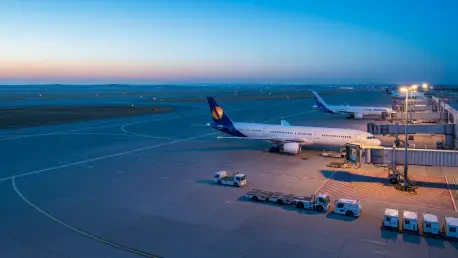

The aviation industry relies heavily on a bedrock of rigid safety protocols and the unwavering professionalism of its flight crews to maintain the trust of millions of global travelers. When these expectations are shattered by reports of reckless behavior, the repercussions extend far beyond a single flight delay or cancellation. Recently, a high-profile incident involving a British Airways crew in Mauritius sent shockwaves through the industry, forcing the airline to scrap a long-haul flight at the last minute. Passengers waiting at Sir Seewoosagur Ramgoolam International Airport were left stranded and bewildered after learning that their flight to London Heathrow could not proceed as scheduled. While mechanical issues or weather patterns are common culprits for such disruptions, the reality in this case was much more scandalous, involving a night of excessive drinking that rendered the crew unfit for duty. This lapse in judgment serves as a stark reminder of the fragile nature of operational integrity in commercial aviation today, where a single night of negligence can compromise safety and brand reputation.
Professional Integrity: The Impact of Individual Conduct
Breaking the Code: Details of the Incident
The events leading up to the cancellation reportedly began during a layover where several members of the flight crew engaged in a social gathering that quickly spiraled out of control. Witnesses at the luxury resort where the staff was staying described a scene of loud festivities and significant alcohol consumption lasting well into the early morning hours. By the time the crew was required to report for their pre-flight briefing, it became painfully evident that multiple members were in no condition to operate a complex aircraft safely. The airline’s internal policies regarding sobriety and rest periods were fundamentally ignored, leaving the ground management with no choice but to intervene. This decision, while necessary for safety, triggered a massive logistical nightmare for the carrier as it struggled to find replacement staff in a remote location. The breach of protocol highlighted a disturbing disregard for the “bottle to throttle” rule that governs the lives of pilots and cabin crew, showing how individual choices can jeopardize hundreds of lives.
Operational Fallout: Passenger Experience and Logistics
Beyond the immediate disciplinary actions taken against the individuals involved, the airline faced the daunting task of managing hundreds of frustrated travelers who were suddenly without a way home. The cancellation of a long-haul service like the Mauritius-London route involves more than just rebooking tickets; it requires arranging overnight accommodation, meals, and alternative transportation during a peak travel season. Many passengers took to social media to express their outrage, citing a lack of clear communication from the airline in the initial hours following the grounded flight. This specific incident caused a ripple effect throughout the network, as the aircraft remained out of position for its next scheduled rotation, leading to further delays in the United Kingdom. The financial burden of such a failure is immense, encompassing not only compensation payouts under aviation consumer laws but also the long-term damage to the brand’s reputation for reliability and safety excellence in an increasingly competitive market.
Institutional Accountability: Strengthening Safety Standards
Regulatory Oversight: The Legal Consequences of Negligence
The Civil Aviation Authority and other regulatory bodies maintain a zero-tolerance policy toward any form of impairment among flight personnel, as the lives of hundreds are at stake during every takeoff. Following the grounding in Mauritius, investigators began a thorough review of the crew’s behavior to determine the extent of the violations and the appropriate legal responses. In many jurisdictions, operating or attempting to operate an aircraft while under the influence of alcohol is a criminal offense that can lead to the permanent revocation of licenses and even imprisonment. The legal framework is designed to be punitive to deter others from making similar choices, ensuring that the safety of the airspace remains uncompromised. For the airline, this meant participating in a transparent inquiry that might expose flaws in how it monitored staff during international layovers. Ensuring that every employee understands the gravity of their responsibilities is paramount to preventing a recurrence of such a high-profile failure.
Future Safeguards: Implementing Enhanced Monitoring Systems
To prevent future occurrences of such systemic breakdowns, the industry moved toward advanced biometric monitoring and more rigorous random testing protocols for crews on international duty. The introduction of digital wellness check-ins and mandated rest-period tracking through secure mobile applications provided a necessary layer of accountability for staff members away from their home base. Additionally, fostering a corporate culture where peers felt empowered to report unsafe behavior without fear of retaliation became a cornerstone of the new safety strategy. British Airways initiated a comprehensive review of its crew training modules to emphasize the ethical weight of the profession and the total impact of personal choices on global operations. These proactive measures were designed to restore public confidence and solidify the airline’s commitment to safety as an absolute and non-negotiable priority. Moving forward, the integration of mental health support and stress management programs addressed the underlying causes that could lead to risky behaviors among high-stakes professionals.