
The monolithic brutalist architecture of 10 Argyle Street has long served as a beacon for London’s creative elite, yet a significant leadership transition now places the property at a critical juncture in its operational history and brand development. As Murray Scott takes the helm of this King’s Cross flagship, industry observers are closely watching how the hotel maintains its avant-garde soul during a period of high-stakes brand evolution.
The hotel remains a vital cultural landmark that successfully blends high-concept design with gritty urban energy. This leadership change signals a preview of a broader strategy where culture-first leadership must navigate the complexities of the recent Hyatt acquisition. The property is currently balancing its reputation for edgy hospitality against the requirements of a global corporate structure.
Navigating the Intersection of Independent Spirit and Corporate Scale
Managing a property that thrives on non-conformity requires a delicate touch that respects the brand’s history while ensuring operational growth. Analysts point out that the current transition is not merely a change in personnel but a test of whether a niche lifestyle brand can thrive within a massive corporate ecosystem. Success depends on maintaining the hotel’s “cool factor” without alienating the legacy guests who value its independent spirit.
Operational fluidity is essential as the market shifts toward more experiential luxury. By focusing on localized engagement and unconventional guest interactions, the leadership seeks to prove that scale does not have to result in the loss of character. This balance is critical for the King’s Cross district, which has become a hub for competitive hospitality brands.
From Housekeeping to the Helm: The Scott Pedigree
Murray Scott brings a 21-year trajectory that is widely viewed as a masterclass in professional growth within the lifestyle sector. Having started in entry-level housekeeping before rising through the ranks of premier brands like The Hoxton, he possesses a rare perspective on the inner workings of luxury operations. This background allows for a management style that values every layer of the hotel staff.
His boots-on-the-ground experience provides a tangible advantage when navigating the nuances of a complex boutique environment. Stepping into a role previously held by Mario Flanagan, Scott is tasked with modernizing the guest journey while honoring the hotel’s established identity. Experts suggest this grounded approach is exactly what is needed to manage a team that prioritizes creativity over rigid protocols.
The Hyatt Integration: Scaling Without Diluting the Brand
The 2024 acquisition of Standard International by Hyatt represents a pivotal case study in how global giants leverage the cultural capital of niche brands. While Hyatt provides an extensive distribution network and robust resources, there is an inherent risk of corporate homogenization. Leadership must protect the operational autonomy that allows the property to remain a trendsetter.
Benefits of this integration include a significantly larger reach through global loyalty programs and refined back-end systems. However, the challenge remains to ensure that the “Standard” experience does not become a standardized one. Maintaining the distinct, rebellious personality of the brand is essential for long-term brand loyalty in the luxury sector.
Cultivating a “Culture-First” Ecosystem in King’s Cross
A core component of the current strategy involves prioritizing team creativity to drive experiences that defy traditional hospitality norms. This philosophy ensures that the staff is not just performing a service but participating in a larger cultural movement. When the internal team feels empowered, the guest experience becomes more authentic and memorable.
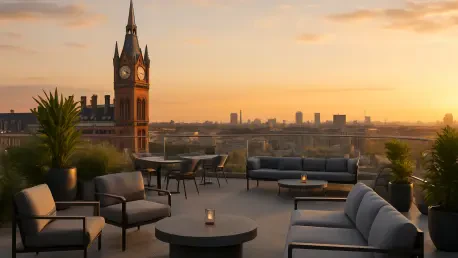
The hotel’s diverse venues, ranging from the Michelin-starred Decimo to the high-energy rooftop bar Sweeties, are vital for maintaining its edgy reputation. These spaces serve as the heartbeat of the property, blending culinary excellence with a vibrant music-and-event-led atmosphere. Analysts believe these venues are the primary defense against corporate sterilization.
Staying Ahead in London’s Competitive Lifestyle Landscape
The Standard faces stiff competition from high-profile rivals like NoMad London and Broadwick Soho, which also lean heavily into personality-driven service. Scott’s background in both the Edinburgh and London markets gives him a localized advantage in understanding the specific demands of the UK luxury consumer. Adapting to regional dynamics is key to staying relevant in a saturated market.
Future innovations in guest programming will likely set a new benchmark for lifestyle hospitality across the city. By focusing on unique collaborations and music-led events, the property aims to remain at the forefront of the urban luxury scene. Maintaining this momentum requires a constant evolution of the hotel’s cultural offerings.
Strategic Blueprints for Operational Excellence and Brand Loyalty
Hospitality veterans emphasize that Scott must harmonize sophisticated operations with the property’s unconventional identity to ensure long-term success. One actionable step involves utilizing “culture-first” hiring practices, where personality and creative alignment are valued as much as technical skill. This approach is known to improve staff retention and create a more cohesive brand message.
Luxury properties can also improve guest satisfaction by balancing creative freedom with the rigorous standards expected of a global parent company. Leaders should implement systems that allow for spontaneity in service while maintaining the efficiency of a corporate structure. This hybrid model provides a blueprint for other lifestyle brands navigating similar acquisitions.
Setting the Standard for Hospitality’s Future
The leadership transition at The Standard, London proved that veteran expertise could successfully shield a creative brand from the pressures of corporate expansion. By prioritizing internal culture, the management reinforced the property’s status as a global bellwether for the lifestyle hotel sector. This era demonstrated that even under a global umbrella, a hotel can maintain its disruptive edge through strategic hiring and authentic programming.
Moving forward, the synergy between bold brand identity and sophisticated leadership defined the next chapter of urban luxury. Properties that choose to embrace their unique heritage while utilizing global resources will likely dominate the market. The evolution of this King’s Cross icon serves as a reminder that the soul of a hotel resides in its people and its willingness to challenge the status quo.