
Katarina Railko is a seasoned veteran in the travel and hospitality sector, having spent years navigating the complexities of international tourism, high-stakes expos, and global entertainment events. As safety becomes the primary concern for travelers heading into 2026, Katarina provides a deep dive into the findings of the latest Global Peace Index, explaining why certain European destinations continue to set the gold standard for security. Her insights bridge the gap between abstract data and the tangible, sensory experiences that make a vacation truly memorable, offering a roadmap for those seeking stability without sacrificing adventure.
The following discussion explores the multifaceted nature of the Global Peace Index and how its 23 distinct indicators provide a more reliable safety net than simple crime statistics. We delve into the enduring success of Iceland, which has held the top spot for nearly two decades, and look at the rise of “hidden gems” like Slovenia that offer high quality of life with fewer crowds. The conversation also covers the practical infrastructure of countries like Switzerland and Austria, the welcoming cultural atmosphere of Ireland and Portugal, and the pristine, efficient wilderness of Finland, all while emphasizing the essential steps every traveler should take to ensure a smooth journey.
Iceland has maintained the top spot for global peace for nearly two decades. How does this consistent level of security transform the actual experience for a tourist on the ground?
When a country like Iceland maintains such a high level of peace for nearly 20 years, it creates a psychological freedom that is rare in modern travel. You aren’t just visiting a destination; you are entering a society built on deep social trust and political stability, which allows you to focus entirely on the sensory experience of the landscape. Whether you are standing on a black-sand beach, hiking toward a massive glacier, or soaking in a geothermal lagoon, the lack of concern about petty crime or social unrest is palpable. Travelers can drive the well-maintained roads or explore remote volcanic landscapes with a sense of total independence. This security is backed by an exceptionally low crime rate, making the “Land of Fire and Ice” a place where the local communities feel like partners in your journey rather than just service providers.
The Global Peace Index evaluates 23 different indicators beyond just local crime rates. Why is this comprehensive approach so important for travelers when they are choosing their next destination?
Modern travelers are becoming much more sophisticated, and they realize that true safety involves more than just avoiding a pickpocket on a busy street corner. By evaluating 23 different indicators—including internal security, military activity, levels of conflict, and political stability—the Institute for Economics & Peace provides a holistic view of a nation’s health. For a tourist, these metrics translate directly into the reliability of public infrastructure, the efficiency of emergency services, and the general ease of movement. High rankings suggest that a country has stable public services and a welcoming environment, which are crucial for families or solo adventurers who want to use public transport with confidence. It allows a traveler to plan a trip knowing that the social fabric of the destination is strong enough to handle any unexpected situation.
Switzerland and Austria are frequently praised for their safety and scenery. From your perspective, how do these nations use their reputation for security to enhance their luxury and adventure offerings?
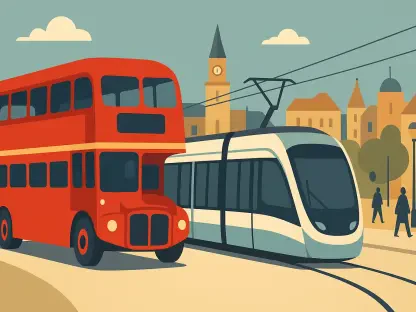
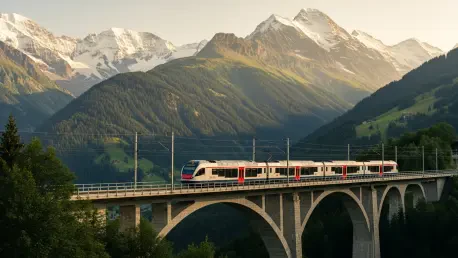
Both Switzerland and Austria have mastered the synergy between high-end infrastructure and breathtaking natural beauty to create a “stress-free luxury” experience. In Switzerland, the legendary efficiency of the public transportation system makes it incredibly easy to navigate between cosmopolitan hubs like Zurich and Geneva or scenic mountain villages. You can spend the morning exploring a historic town and the afternoon in the high Alps, knowing the connections will be seamless and the environment will be secure. Austria offers a similar level of dependability, where visitors can enjoy the imperial architecture of Vienna or the classical music heritage of Salzburg without the typical anxieties of urban travel. This level of safety allows these countries to market themselves as premium destinations where the real luxury is the peace of mind that comes from world-class healthcare and dependable public services.
Slovenia is described as an emerging “hidden gem” in the latest rankings. What specific qualities make it stand out against its more famous European neighbors in terms of traveler confidence?
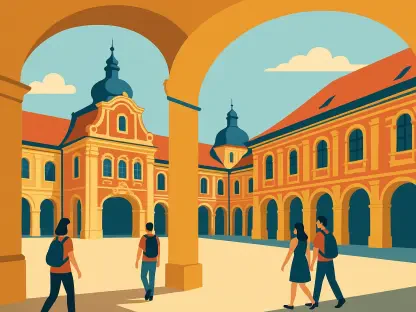
Slovenia is a perfect example of how safety and quality of life can make a smaller nation a world-class contender in tourism. It offers a stunning variety of natural beauty—from the crystal-clear waters of Lake Bled to the peaceful hiking trails of Triglav National Park—without the overwhelming crowds seen in other parts of Europe. The country’s high ranking in the Global Peace Index reflects a society that is both peaceful and highly functional, providing excellent tourism facilities in a charming, medieval setting. In the capital city of Ljubljana, the atmosphere is one of relaxed security, where travelers can wander through pedestrian zones and enjoy local cafes with total comfort. It is an ideal choice for those who want the classic European experience but prioritize a destination that feels intimate, safe, and authentic.
Ireland and Portugal have both seen remarkable growth in their tourism sectors. How does the balance of hospitality and a peaceful environment drive their popularity among groups like digital nomads and solo travelers?
Ireland and Portugal both offer a very specific blend of “warm hospitality” and social stability that acts as a magnet for people who want to stay longer or explore independently. Ireland’s global reputation is built on its friendly locals and lively music culture, which creates an immediate sense of belonging for a first-time visitor. Whether you are driving the Wild Atlantic Way or visiting the Cliffs of Moher, the environment is welcoming and the transport links are well-developed. Portugal, meanwhile, has become a top choice for digital nomads and retirees because it pairs a sunny coastline and historic cities like Lisbon and Porto with a very high peace ranking. The country’s strong performance in the index reinforces the idea that you can enjoy a relaxed, outdoor lifestyle while benefiting from good public services and a culture that truly values international guests.
Finland rounds out the top seven for Europe in 2026. In what ways does the Finnish commitment to public safety and clean environments impact the way nature-loving tourists engage with the landscape?
Finland provides a sense of serenity that is rooted in its pristine wilderness and its highly modern, efficient urban centers. For nature lovers heading to Finnish Lapland to see the Northern Lights or explore the thousands of lakes, the safety of the country acts as a silent support system. You are exploring some of the most untouched forests in the world, yet you are never far from a system that works perfectly, from clean public transport to high standards of public safety. This allows visitors to Helsinki to enjoy a unique blend of Nordic culture and modern design without the “big city” worries found elsewhere. There is a deep psychological comfort in knowing that the environment is as clean and well-ordered as it is beautiful, which makes for a much more immersive and restorative holiday.
Even when visiting the world’s safest countries, you suggest that preparation is still vital. What are the essential actions a traveler should take to maintain that sense of security throughout their trip?
Safety is always a collaborative effort between the traveler and the host country, and taking a few proactive steps can prevent minor inconveniences from ruining a trip. I always tell travelers to check official government advisories before they depart and to make sure their passports have plenty of validity left. It is also essential to purchase suitable travel insurance and keep digital copies of all important documents, like your ID and booking confirmations, stored securely. Taking the time to learn local emergency numbers and showing respect for local laws and customs will go a long way in building rapport with the community. Most European tourism agencies now provide excellent real-time updates on transportation and safety through their websites, so staying informed is just as important as the physical gear you pack.
What is your forecast for the future of European tourism in light of these peace rankings?
I expect we will see a significant “flight to stability,” where safety becomes the primary filter for high-value travelers and families when choosing a holiday. As global peace levels face various challenges, the seven European nations highlighted in the 2026 report—Iceland, Switzerland, Slovenia, Ireland, Austria, Portugal, and Finland—will likely see a sustained increase in market share. Destinations that can prove they offer a combination of spectacular attractions and reliable, peaceful public services will win the long-term loyalty of international tourists. We are entering an era where the ultimate travel luxury is no longer just a five-star hotel, but the absolute confidence to explore a new culture without a single worry.