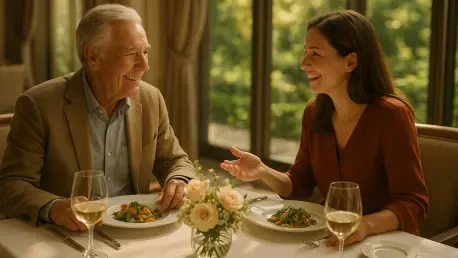

Atria Senior Living utilizes a strategic pairing technique that connects prospective families with current residents who share similar hobbies and life backgrounds. This initiative is part of a broader transformation within the senior living sector, which has moved decisively away from high-pressure sales environments toward a model of experiential engagement. In the current climate of 2026, where the demand for specialized housing and assisted living services has reached an all-time high, the challenge for marketing teams is no longer lead generation, but rather the conversion of interest into a physical move-in. The traditional “open house” has lost its efficacy as modern seniors and their families seek deeper, more authentic connections with their potential future homes. Forward-thinking organizations are now implementing strategies that focus on reducing the psychological barriers to entry. By creating smaller, more intimate events, communities can showcase their unique culture and staff personality in a way that feels organic and inviting. This shift reflects a growing understanding that the decision to move into a senior living community is one of the most significant emotional transitions an individual can make, requiring a sales process that is as supportive as the care provided within the building itself.
Strategic Engagement: Customizing Outreach for Individual Needs
Atria Senior Living has pioneered a centralized strategy that provides local communities with flexible, high-quality event templates, such as the “Social Series” and “Taste of Atria” installments. These events are designed not merely as marketing opportunities but as genuine social engagements that facilitate human connection between prospects and the community. By pairing visiting families with current residents or staff members who share similar life backgrounds, the organization ensures that every guest feels a sense of familiarity from the moment they arrive. This pairing strategy is a critical component in dismantling the intimidation factor often associated with touring a new community. When a retired engineer meets another engineer who is already living in the community, the conversation naturally shifts from the logistics of the facility to shared experiences and future possibilities. This creates a low-stakes environment where the prospect can ask candid questions and receive honest answers from their peers. The success of this model lies in its ability to integrate the prospect into the social fabric of the community almost immediately, making the prospect of moving feel like a natural expansion of their existing social life rather than a disruptive change.
In a similar vein of strategic personalization, Mather has developed a sophisticated programming model that aligns outreach efforts with the specific stage of a prospect’s buyer journey. Recognizing that the needs of an individual just starting their research are fundamentally different from someone on a waitlist, the organization segments its events to provide targeted value. For those in the early investigative stages, the focus is on educational sessions that address the financial and logistical components of senior living, such as asset management, healthcare transitions, and the specifics of downsizing. These events position the community as a trusted advisor, helping families navigate a complex decision-making process with clarity and confidence. Conversely, for individuals who have already committed to a waitlist, the focus shifts entirely to social dining and resident-led gatherings. These events are specifically designed to foster relationships with future neighbors and staff, ensuring that the prospect feels like a member of the community long before their move-in date. This dual-track approach ensures that the organization provides the right information and social support at precisely the right time, creating a seamless and supportive experience that builds lasting trust between the prospect and the community.
Intellectual Enrichment: Providing Value Beyond Traditional Sales
Judson Senior Living has successfully pivoted its marketing model to offer intrinsic intellectual value by leveraging its location near prestigious cultural districts. Rather than focusing on traditional sales presentations, the community hosts high-level intellectual programming, including lectures from museum curators and private music recitals performed by local professionals for small, intimate groups. This strategy effectively treats prospective residents and waitlist members as “insiders” who are already part of the community’s sophisticated cultural life. By providing these exclusive experiences, Judson makes the eventual move to the community feel like a natural and desirable lifestyle progression rather than a daunting or disruptive life change. Prospects are able to see that their move will not result in a loss of cultural engagement, but will instead provide them with greater access to the arts and academic stimulation. This focus on intellectual enrichment resonates with the modern senior demographic, which prioritizes continued personal growth and social vitality. The resulting atmosphere of these events is one of high-touch sophistication, where the sales element is subtle and the focus remains on the enriching lifestyle that the community provides, thus establishing a deep emotional and intellectual connection with every guest.
Following a similar philosophy of providing expert-led value, Beztak has focused on establishing itself as a trusted advisor within the senior living market. The organization achieves this by hosting educational seminars that feature external experts, such as financial planners, elder law attorneys, and transition specialists. These sessions provide prospective residents and their families with objective, high-value information on the complexities of navigating late-life transitions and asset management. By offering these professional resources, Beztak builds a foundation of credibility and trust that far outweighs the impact of traditional advertising. These educational engagements are paired with premium hospitality experiences, such as signature dining events featuring seasonal menus and hands-on workshops led by master artisans. This combination of practical education and refined hospitality ensures that every initial contact with the community is synonymous with quality and professional support. The community’s commitment to providing tangible value before a contract is even discussed sets a high standard for the industry. It demonstrates an understanding that the modern senior is looking for a partner in their aging journey, one who provides not just a place to live, but the professional expertise and hospitality required to thrive in a new environment.
Authenticity in Marketing: Leveraging Resident Ambassadors and Hospitality
A central pillar of this new marketing paradigm is the deliberate elimination of the “hard sell” in favor of utilizing current residents as primary brand ambassadors. Successful operators have found that integrating residents into prospect events provides a level of authentic social proof that corporate marketing materials simply cannot match. When prospective residents have the opportunity to engage in candid conversations with their peers, they gain a realistic and comforting perspective on the community’s social dynamics and the daily reality of life within the facility. These resident-led interactions allow potential move-ins to envision their own future social circles and realize that moving to a community can lead to an expansion of their social world rather than a reduction of it. Residents often share their personal stories of transition, discussing how they overcame initial hesitations and how the community has supported their independence. This peer-to-peer connection is essential for building the trust necessary for a major life decision. By facilitating these organic interactions, senior living communities create a sense of belonging that is felt immediately, shifting the focus from the physical property to the vibrant, supportive human environment that truly defines the quality of life for its residents.
This hospitality-first approach is also evident in the way communities have overhauled their event logistics to prioritize personalized attention and high-touch communication. The era of high-volume, generic marketing has been replaced by carefully curated guest lists and multi-channel confirmation processes that include personalized phone calls and hand-written invitations. This meticulous attention to detail from the very first point of contact serves to build a stronger, more personal relationship between the prospect and the community, significantly reducing event cancellation rates. When a guest arrives at a social event and finds that the staff is already aware of their specific interests—such as a preference for certain types of cuisine or a background in volunteer work—it creates an immediate sense of being seen and valued as an individual. This uncommon hospitality is a powerful differentiator in a competitive market, signaling that the community is committed to a personalized service model. By focusing on these small but significant details, operators are able to demonstrate their commitment to excellence and individual care, which builds the confidence required for a prospect to move forward in their journey. This strategic shift ensures that every interaction is meaningful, moving the relationship from a transactional inquiry to a trust-based partnership.
Relational Marketing: Finalizing the Transition Toward Excellence
The evolution of senior living engagement strategies eventually moved toward a total reimagining of the move-in process, which the industry successfully transformed from a logistical challenge into a celebrated life milestone. Leading organizations implemented comprehensive transition programs that began several months prior to the move-in date, ensuring that new residents felt fully supported both emotionally and practically. These programs often included specialized move-in coordinators who worked with families to design living spaces that reflected the comfort and history of their previous homes. By the middle of the current decade, the industry had finalized its shift away from high-pressure sales tours, replacing them with a model of sustained relationship-building that prioritized psychological readiness. This was often facilitated through early access to community digital platforms, where prospective residents could begin participating in interest groups and social forums before their official arrival. This proactive integration ensured that the physical transition was the culmination of a well-prepared journey rather than a sudden disruption. The success of these initiatives was reflected in significantly improved resident retention rates and a marked increase in the speed with which new residents achieved a sense of total belonging within their new communities.
Ultimately, the shift beyond the traditional open house necessitated a fundamental change in the organizational culture of senior living providers, as sales teams successfully transitioned into the roles of lifestyle consultants and transition experts. This multi-disciplinary approach integrated the expertise of hospitality professionals and social workers to create a seamless, empathy-driven experience for every potential resident. Actionable data and resident feedback were utilized to refine these engagement models in real-time, ensuring that the community’s outreach remained relevant and impactful. The industry effectively rebranded itself by focusing on transparency, intellectual value, and the strength of human connection, positioning senior living as a premier lifestyle choice for a new generation of aging adults. These organizations learned that the most effective marketing tool was not a brochure or a digital ad, but the creation of a culture so vibrant and inclusive that it sold itself through the lived experiences of its members. As these strategies became the industry standard, the focus remained on fostering environments that honored individual history while providing new opportunities for growth. This transition proved that by prioritizing authenticity and hospitality, senior living providers could build the deep-seated trust required to thrive in an increasingly discerning and high-demand market.