
Logistical hurdles mean that during periods of rough seas or inclement weather, St. Martin’s Island is effectively cut off from mainland fire rescue services, leaving thousands of people vulnerable. This isolation creates a profound safety deficit on Bangladesh’s premier coral island, where the booming tourism industry has vastly outpaced the development of essential emergency infrastructure. Recent investigations have uncovered a startling reality: among the 250 commercial establishments currently operating, including luxury resorts and local eateries, not a single one holds a valid fire safety clearance certificate. This lack of compliance is not merely a bureaucratic oversight but a systemic failure that endangers every visitor stepping onto the island’s fragile shores. As the 2026 travel season begins, the absence of basic safety protocols—ranging from emergency exits to functional fire alarms—presents a critical challenge that authorities have yet to address effectively. The situation is further complicated by the remote nature of the island, which prevents any rapid intervention from mainland authorities during a crisis.
Physical and Geographical Vulnerabilities: Risks in the Bay of Bengal
Flammable Structures: The Aesthetic Trap of Bamboo and Straw
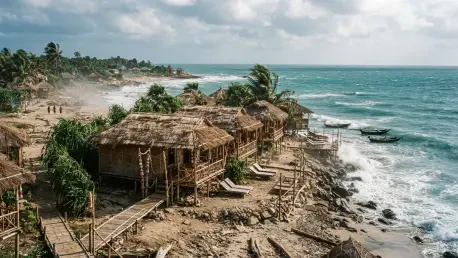
The visual appeal of St. Martin’s resorts often relies on a “tropical” or “eco-friendly” aesthetic that emphasizes natural building materials. Architects and developers frequently utilize wood, bamboo, and dry straw to construct the walls and roofing of high-end cottages and budget-friendly hotels alike. While these elements provide an authentic island experience for tourists, they simultaneously transform hospitality venues into high-risk environments. These materials are essentially tinderboxes, capable of being ignited by a single electrical short or a discarded cigarette. Furthermore, the internal layouts of many resorts lack modern fire-retardant treatments or structural barriers that could slow the progression of a blaze. In the absence of on-site fire suppression tools like portable extinguishers or pressurized hosepipes, a minor kitchen fire or electrical fault can escalate into a total loss within minutes. This design philosophy prioritizes atmospheric charm over the fundamental safety requirements necessary for high-occupancy commercial buildings in a remote zone.
Environmental Accelerants: The Role of Sea Winds in Fire Escalation
Environmental conditions specific to the Bay of Bengal serve as a dangerous force multiplier for fire risks on the island. Strong and persistent sea winds are a constant feature of the local climate, especially during the peak tourism months of the current 2026 season. Fire service officials have warned that these coastal gusts would act as a natural bellows, driving oxygen into any flame and pushing embers across the densely packed resort districts. Because the island’s commercial zone is characterized by closely grouped wooden structures, the potential for a “leapfrog” effect is exceptionally high. A localized incident at one property could quickly transform into an uncontrollable inferno that consumes entire blocks before any organized response can be mounted. This combination of high-velocity winds and flammable construction creates a scenario where standard firefighting techniques would be largely ineffective. The geographic reality means that once a fire takes hold, the physical environment of the island facilitates its spread rather than offering any natural containment.
Institutional Deficiencies: The Failure of Regulation and Response
Infrastructure Gaps: The High Cost of Mainland Dependency
The island’s safety profile is fundamentally undermined by the total absence of a local fire station or a trained emergency response unit. Currently, any reported fire necessitates a call to the Teknaf Fire Service and Civil Defence on the mainland, located miles away across the water. This distance introduces a fatal delay into the emergency response chain, as mainland firefighters must first organize personnel and then secure speedboats to cross the channel. During periods of rough water, these crossings become impossible, leaving the island’s inhabitants entirely on their own. Past incidents have demonstrated the futility of local efforts, where residents and staff were forced to rely on manual bucket brigades and seawater to combat blazes that had already reached peak intensity. This lack of on-site equipment and professional expertise means that by the time mainland responders could arrive, the damage is typically irreversible. The need for a dedicated, permanent firefighting facility on the island is a recurring demand from local leaders that remains unfulfilled.
Administrative Oversight: Unregulated Growth and Licensing Lapses
Rapid and unregulated commercial growth has further strained the island’s precarious safety and environmental balance. In the period from 2021 to 2026, approximately 150 new hotels and guest houses were constructed, many without the necessary legal permits or adherence to building codes. This surge in development has been fueled by the high profitability of island tourism, which often overshadows the risks associated with non-compliance. While the Department of Environment and local administrative bodies have initiated legal proceedings against dozens of these establishments, the resulting fines are often viewed as a mere cost of doing business rather than a deterrent. The institutional failure to stop unauthorized construction has resulted in a landscape where commercial interests consistently trump public safety standards. Without a centralized monitoring system and the strict enforcement of licensing requirements, the island continues to attract developers who bypass essential safety infrastructure. This regulatory vacuum has created a legacy of vulnerability that now requires urgent intervention.
Ecological Risks: Protecting a Fragile Coral Ecosystem
Biodiversity Threats: Impact on Marine Life and Reefs
Environmental degradation on St. Martin’s is intrinsically linked to the same lack of oversight that plagues its fire safety standards. As one of Bangladesh’s primary Ecologically Critical Areas, the island provides vital breeding grounds for endangered sea turtles, particularly along the beaches of Dakshinpara. However, the expansion of the resort sector has directly encroached upon these sensitive habitats, with many new structures built directly on the sand. The impact of this development is multifaceted, including light pollution that disorients hatchlings and the physical destruction of nesting sites. Furthermore, a majority of the 250 commercial venues operate without functional sewage treatment plants, leading to the direct discharge of waste into the surrounding waters. This contamination threatens the health of the coral reefs, which are the island’s primary attraction and ecological foundation. The failure to integrate environmental protection into the tourism model has led to a situation where the very features that attract visitors are being systematically destroyed by the industry.
Future Reform: Strategic Steps Toward Island Resilience
The 2026 assessment of St. Martin’s Island revealed that immediate structural reforms were the only path toward ensuring long-term sustainability. Experts determined that the establishment of a permanent fire station, equipped with specialized coastal response gear, was a non-negotiable requirement for continued tourism operations. Government agencies highlighted the necessity of retrofitting existing wooden structures with fire-resistant materials and automated suppression systems to mitigate the inherent risks of the island’s architecture. Strategic recommendations also focused on the strict enforcement of environmental clearances, ensuring that all resorts implemented modern waste management solutions to protect the coral ecosystem. It was concluded that seasonal bans on overnight stays served as only temporary measures and required supplementation by a permanent, on-site monitoring authority. By addressing these systemic gaps, policymakers aimed to transform the island from a high-risk zone into a model for resilient and responsible tourism. These actions provided a roadmap for protecting both the lives of travelers and the integrity of the unique coral habitat.