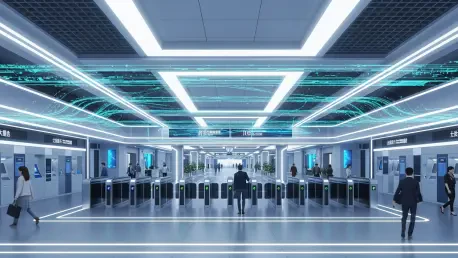

The shift from traditional roadside bus stops to sophisticated, integrated transit centers marks a significant turning point in how Southeast Asian metropolitan areas manage the flow of regional travelers. Within the heart of Kuala Lumpur, the inauguration of the LaLaport Transportation Hub at Bukit Bintang City Centre provides a specialized RM5 million gateway designed to alleviate the congestion and logistical challenges of the KL-Singapore corridor. This modern facility addresses the historical inefficiencies of decentralized travel by consolidating high-capacity operations into a single, climate-controlled environment that caters to up to 10,000 daily passengers. By moving away from the chaotic atmosphere of street-side boarding, the hub introduces a structured methodology for urban mobility that prioritizes passenger safety and operational reliability. It serves as a cornerstone for future urban development projects that seek to merge high-density transit with modern commerce while improving the overall quality of life for the city’s residents.
Strategic Integration: Connecting Urban Arteries
Physical Connectivity: Bridging Local and Regional Networks
The hub’s physical location within the Bukit Bintang City Centre offers a distinct advantage over legacy terminals like the Terminal Bersepadu Selatan, which remains largely isolated in the suburbs. By situating the facility on the lower ground floor of the mall, planners have established a direct link to the Hang Tuah interchange, merging long-distance travel with the city’s internal rail network. This seamless connectivity allows commuters arriving from Singapore to transition immediately to the RapidKL LRT or Monorail systems without leaving the terminal environment. Such proximity to major business districts ensures that the hub serves as a central artery for the city’s economic pulse.
The reduction in transfer times and the elimination of complex last-mile transit hurdles represent a fundamental upgrade in the efficiency of regional travel, making the downtown core more accessible to international visitors and business professionals. By reducing the reliance on private vehicle transfers in the city center, the facility mitigates local traffic congestion while promoting the use of sustainable public transport. This integration demonstrates how modern urban planning can successfully condense multiple layers of infrastructure into a single, user-friendly node that supports both regional and local commuting needs.
Policy Reform: Prioritizing Passenger Safety and Oversight
This architectural achievement reflects a transformation in governmental transit policy aimed at eliminating the hazards associated with unauthorized roadside operations. Historically, locations such as Berjaya Times Square saw passengers navigating heavy traffic with luggage to board buses, creating safety risks and contributing to urban gridlock. In response, Transport Minister Anthony Loke introduced a regulatory framework that permits shopping malls to operate as licensed transit points, provided they meet rigorous safety and logistical standards. This move effectively professionalizes the boarding process by moving it into a supervised, off-street environment where traffic flow is managed by dedicated personnel.
Beyond immediate safety concerns, this policy reform incentivizes private developers to invest in public infrastructure, creating a collaborative model between the state and the private sector. The transition to regulated hubs ensures that all operators adhere to strict schedules and safety protocols, thereby increasing public trust and operational reliability. By standardizing the passenger experience through official licensing, the government has created a more predictable and secure environment for travel. This approach not only protects commuters but also enhances the global reputation of the city’s infrastructure, proving that regulatory oversight can drive innovation in urban mobility.
Experience Enhancement: Redefining Modern Commuting
Infrastructure Design: High-Tech Amenities and Comfort
Drawing inspiration from international aviation standards, the LaLaport terminal introduces a suite of airport-style amenities that redefine expectations of bus travel in the region. Passengers waiting for departures have access to climate-controlled lounges equipped with high-speed charging stations and secure, multi-access lockers for luggage storage. Real-time digital information displays are strategically placed throughout the facility, providing live updates on bus arrivals and departures to minimize traveler anxiety. These technological enhancements create a premium environment that contrasts sharply with the utilitarian nature of traditional stations, offering a sophisticated space for modern travelers.
Furthermore, the influence of Japanese design philosophy is evident in the inclusion of high-end sanitary facilities, featuring automated bidet toilets and meticulously maintained restrooms. These aesthetic and functional upgrades ensure a level of comfort rarely seen in regional bus terminals, catering to the needs of diverse passenger demographics. By prioritizing the physical comfort and digital connectivity of the user, the hub sets a new benchmark for what a modern transportation facility should offer. The focus on high-quality materials and advanced technology ensures that the terminal remains a durable and attractive asset for the city’s transit network for years to come.
Strategic Progress: Future Pathways for Mobility
The successful deployment of this integrated transit model provided a scalable blueprint for future urban developments across the region, emphasizing the necessity of private-public partnerships. Urban planners focused on replicating this hub-and-spoke architecture in other high-density areas to further decentralize congestion while maintaining core accessibility. The next phase of development involved the integration of autonomous shuttle services to bridge the remaining gaps in the last-mile connectivity framework within the central business district. These initiatives helped streamline the movement of people across the metropolitan area, making public transport the preferred choice for a wider range of the population.
Municipal authorities prioritized the expansion of digital ticketing systems that unified rail, bus, and mall services into a single biometric platform. This approach ensured that the transit experience remained frictionless and adaptable to changing commuter behaviors. By investing in multi-functional spaces that combined transport with commercial utility, the city established a more resilient infrastructure. These steps transitioned the metropolitan area toward a more sustainable and technologically advanced regional mobility network. Ultimately, the integration of high-capacity transit into the commercial heart of the city proved to be an essential strategy for long-term urban growth and economic stability.