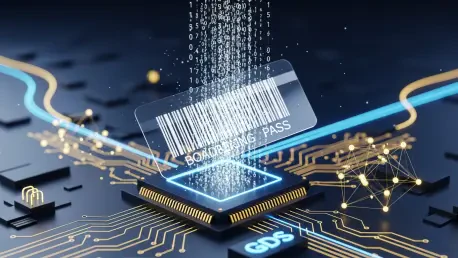

A frequent traveler standing in a bustling terminal might believe that a printed boarding pass is merely a disposable slip of paper intended for gate access, yet this document serves as a high-density repository for sensitive personal information that remains accessible long after the flight has landed. Beyond the obvious flight number and seat assignment, every barcode and string of alphanumeric characters acts as a key to a vault containing passport details, payment methods, and historical travel patterns. In the current landscape of digital transparency, the simple act of discarding a pass in a public bin or posting a celebratory photo on social media can inadvertently invite malicious actors to reconstruct an entire identity. Security experts have observed that the vulnerabilities associated with these physical artifacts are often overlooked in favor of more complex cybersecurity measures. However, the data embedded in a Passenger Name Record can provide enough leverage for criminals to alter flight reservations or steal loyalty points.
The Hidden Infrastructure Of Passenger Records
Decoding The Passenger Name Record
The Passenger Name Record, commonly referred to as a PNR, functions as the central nervous system of any airline booking, containing a wealth of metadata that remains invisible to the casual observer. When a traveler enters their six-digit booking reference into a public-facing portal, they are not just checking a flight status; they are accessing a centralized database that stores contact information, emergency names, and frequent flyer status levels. This data is shared across Global Distribution Systems such as Amadeus or Sabre, which facilitate communication between different airlines and travel agencies. Because these systems were originally designed for efficiency rather than privacy, they often lack the robust multi-factor authentication found in modern banking apps. Consequently, anyone who obtains a boarding pass barcode can scan it with a standard smartphone to reveal the PNR code. Once that code is secured, unauthorized users can often see the last four digits of credit cards used for payment or even health-related service requests.
Vulnerabilities In Global Distribution Systems
The underlying technology that powers airline bookings, known as Global Distribution Systems or GDS, was originally constructed in an era when cybersecurity was not a primary concern, leaving modern travelers exposed to systemic risks. These platforms act as intermediaries that synchronize flight data across thousands of travel agencies and hundreds of carriers. However, the lack of robust encryption and the reliance on easily guessable six-digit booking references mean that once a PNR is leaked, an attacker can browse a traveler’s entire flight history and personal details across multiple airline networks. Because these systems are deeply integrated and rely on legacy protocols, updating the security infrastructure is a slow and complex process that hasn’t kept pace with modern threats. Travelers must understand that their boarding pass is not just a gate pass for a single flight, but a master key to a vast, interconnected database that stores their historical movements and personal preferences for years.
Digital Sovereignty And Physical Documentation
Visual Data Exposure On Social Media
The proliferation of high-resolution smartphone cameras has transformed the seemingly harmless act of photographing a boarding pass into a significant security liability for the average passenger. When these images are uploaded to social media platforms, the embedded barcodes, such as the PDF417 or Aztec codes, remain perfectly readable by automated data-scraping tools used by cybercriminals. Even if a passenger uses a digital brush to cross out their name or seat number, the barcode often retains the full Passenger Name Record and the traveler’s surname, which are the primary credentials required to access an airline’s administrative portal. Once an unauthorized individual gains entry, they can perform a variety of malicious actions, including reassigning seats, canceling future flight legs, or downloading a full history of the traveler’s past itineraries. This vulnerability is particularly dangerous because the traveler may not receive a notification that their record has been accessed until they arrive at the terminal to check in.
Strategic Defense And Future Protection
The ramifications of a boarding pass data leak extended far beyond a single disrupted flight, affecting credit scores and professional reputations over several years. When a PNR was compromised, the combined information of full names and travel histories was used to build profiles for identity theft. These profiles were utilized to open fraudulent credit lines under the victim’s name, leading to an arduous recovery process. To address these challenges, individuals should have implemented a strategy that prioritized the use of virtual private networks when accessing travel portals. It was also advisable to utilize two-factor authentication for all frequent flyer accounts to prevent unauthorized modifications to itineraries. For those who experienced a breach, the most effective next step was to contact the airline immediately to request a new PNR and alert the credit bureaus to place a fraud alert on their accounts. Monitoring dark web scanning services provided an additional layer of security by notifying the user of potential leaks.