
The traditional landscape of managed corporate travel often functions as a paradoxical environment where the very tools designed to increase efficiency frequently add layers of administrative burden. While the objective of any managed travel program is to facilitate seamless movement for employees,
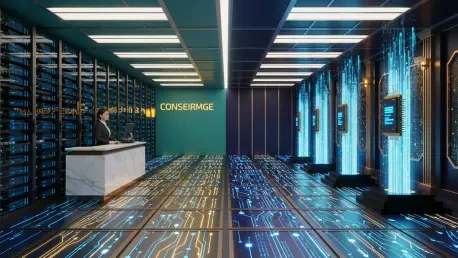
The global travel industry has reached a pivotal juncture where artificial intelligence is no longer viewed as a speculative experiment but as the foundational engine driving modern commercial operations. Financial milestones from technology giants like Microsoft have validated the massive capital
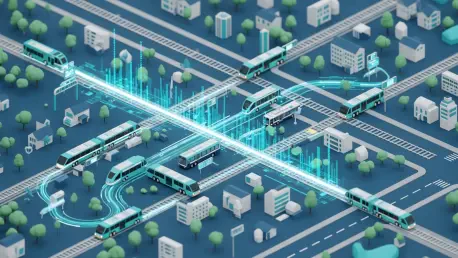
Navigating the sprawling urban and suburban corridors of the Greater Golden Horseshoe has historically presented a significant challenge for residents who face a fragmented web of transit agencies and inconsistent service levels. The daily commute for thousands often involves complex transfers

The traditional hotel lobby, once a space defined solely by soft lighting and polite conversation, has evolved into a sophisticated arena where artificial intelligence and human intuition intersect to redefine the modern traveler’s journey. At Texas A&M University, the Digital Transformation Lab is

The rapid transformation of the event technology landscape has shifted from basic administrative software to sophisticated agentic systems that actively manage logistical complexity in real time. This evolution represents a departure from the era of passive tools, where organizers were forced to
Katarina Railko is a distinguished figure in the hospitality and travel sector, having spent years refining her expertise across the tourism, entertainment, and large-scale event industries. As a key voice in the world of international expos and conferences, she possesses a unique vantage point on