
The hospitality sector is currently witnessing a tectonic shift where traditional plastic cards and rigid point systems are being replaced by invisible, data-driven ecosystems that recognize a traveler’s preferences before they even walk through the lobby doors. This evolution is driven by sophisticated artificial intelligence that processes millions of data points to create a unique profile for every guest, moving away from the generic tiers that once defined the industry standard. Modern travelers no longer value the simple accumulation of points that take years to redeem; instead, they seek immediate relevance and frictionless service that acknowledges their specific lifestyle choices. For a frequent business traveler, this might mean a room pre-stocked with a specific brand of sparkling water and a silent cooling system set to sixty-eight degrees. As competition intensifies, the ability to deliver these hyper-personalized experiences has become the primary differentiator for global chains, turning loyalty into a dynamic, real-time conversation rather than a static transaction.
Data Integration: The Engine Behind Guest Recognition
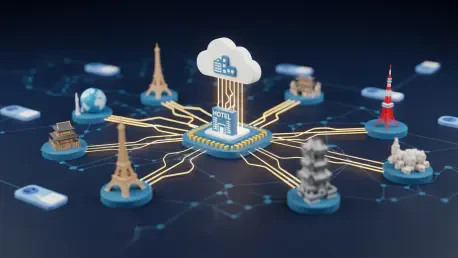
Successful personalization strategies from 2026 to 2028 rely on the seamless integration of disparate data sources into a unified guest profile that tracks interactions across every touchpoint. In previous cycles, guest data was often siloed within individual property management systems, making it nearly impossible to provide a consistent experience across different locations within a brand. Now, advanced cloud-based platforms aggregate information from booking engines, social media interactions, and on-property Wi-Fi usage to form a three-hundred-sixty-degree view of the individual. This robust data architecture allows hotel operators to move beyond basic demographics and into the realm of psychographic insights, understanding why a guest chooses a particular destination or room type. By centralizing this information, global chains ensure that a preference recorded in London is instantly accessible in Tokyo, creating a sense of continuity that reinforces brand affinity. The focus has shifted from data collection to data orchestration.
Artificial intelligence acts as the cognitive layer atop this integrated data, employing deep learning models to identify patterns and predict future behaviors with startling accuracy. These algorithms analyze historical stay patterns to determine the likelihood of a guest needing a late checkout or their preference for a specific floor level, allowing the hotel to offer these perks proactively. Instead of waiting for a guest to make a request, the system flags potential needs to the front desk or housekeeping teams, who then execute the service as if by intuition. This predictive capability extends to identifying at-risk members who might be leaning toward a competitor, triggering personalized intervention offers tailored to their specific interests. For instance, if a guest frequently visits the spa but hasn’t booked a treatment recently, the AI might generate a high-value voucher for their favorite service. This transforms the relationship into a continuous journey where the hotel becomes a trusted partner in the traveler’s lifestyle.
Strategic Implementation: Navigating Real-Time Delivery and Privacy
The delivery of these personalized experiences is occurring in real-time, facilitated by the widespread adoption of smart room technology and mobile application ecosystems that interact with a guest’s location. As a traveler enters the property, geofencing technology triggers a welcome notification on their smartphone, bypassing the traditional check-in desk and providing a digital key that already knows their room assignment. Inside the room, the environment automatically adjusts to predefined settings for lighting and temperature, creating an immediate sense of comfort. This level of automation does not replace human interaction but rather enhances it by freeing staff from administrative tasks to focus on high-value hospitality. Furthermore, AI-powered virtual assistants provide instantaneous answers to queries, using natural language processing to maintain a professional tone. These digital touchpoints collect additional data, further refining the guest profile and ensuring that future recommendations are precise.
The transition to AI-driven loyalty required a fundamental shift in corporate culture and operational strategy where leadership treated technology as a core pillar of the guest experience. To achieve success, organizations established cross-functional teams that included data scientists and experience designers to ensure that AI recommendations were grounded in practical reality. These teams focused on identifying the specific moments of truth where technology had the greatest impact, such as pre-arrival communication and post-stay follow-up. They also prioritized the continuous testing of AI models to adapt to changing traveler expectations and market conditions. By treating personalization as an ongoing journey rather than a one-time project, these companies achieved higher guest satisfaction scores and increased direct booking rates. The process emphasized that while algorithms predicted preferences, the true value of loyalty was realized through the application of those insights by employees who understood the human element.