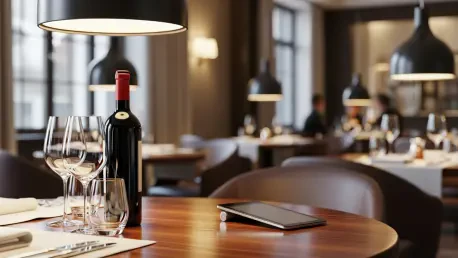

The essence of luxury hospitality has always rested upon the ability of a service team to anticipate needs before they are articulated, creating an environment where every interaction feels both effortless and profoundly personal. In the current landscape of 2026, the traditional boundary between the tactile warmth of high-end service and the cold efficiency of digital systems has dissolved entirely. Point of Sale (POS) technology is no longer a peripheral utility confined to a dimly lit station in the corner of a dining room; it has evolved into the silent architect of the entire guest journey. This shift reflects a broader movement where digital infrastructures facilitate, rather than hinder, the human connection. By moving the focus from transactional accuracy to service strategy, modern platforms allow establishments to maintain the rigorous standards demanded by a global clientele. The effectiveness of a premier restaurant is now defined by how seamlessly its technology supports the staff’s intuition behind the scenes.
Elevating Service Standards Through Digital Precision
Orchestrating the Silent Rhythm of Table Pacing
Timing serves as the cornerstone of the luxury dining experience, acting as a silent discipline that determines the precise rhythm and flow of a multi-course meal. A dish’s technical perfection, regardless of the chef’s skill or the rarity of the ingredients, becomes irrelevant if the pacing is misaligned with the guest’s expectations or the kitchen’s output capacity. In 2026, sophisticated POS software functions as the central nervous system of this complex choreography, providing a structured communication bridge between the front-of-house team and the culinary staff. These systems allow for a level of synchronization that was previously dependent on verbal cues and physical proximity, ensuring that each course arrives at the exact moment of peak readiness. By automating the signaling process, the technology eliminates the chaotic shouting once common in busy kitchens, replacing it with a serene, data-driven flow that preserves the kitchen’s creative energy.
Synchronizing Service Flow and Kitchen Communication
By utilizing clear table visibility and automated tracking features, the service staff are liberated from the persistent stress associated with manual coordination and repetitive status checks. This digital oversight creates a composed and tranquil atmosphere throughout the dining room, which remains one of the primary hallmarks of a truly premium establishment. When the POS system handles the inherent complexities of course management and order status updates, servers are granted the freedom to devote their full and undivided attention to the guests at the table. This transition allows them to maintain the grace and poise required in elite environments, as they are no longer burdened by the mental load of tracking multiple ticket times. The result is a dining experience where the guest feels entirely cared for, unaware of the rigorous digital monitoring that ensures their glass is never empty and their next course arrives without delay.
Protecting Brand Prestige via Operational Discipline
Operational discipline within the back-of-house serves as a critical mechanism for brand protection, particularly when establishments are dealing with high-cost seasonal ingredients and specialist labor. Inefficiencies such as inventory shortages, inconsistent portioning, or excessive food wastage can quickly erode both the prestige and the financial health of a luxury brand. A sophisticated POS system in 2026 acts as a comprehensive performance partner, offering deep, data-driven insights into menu profitability and the movement of specific items in real time. This level of oversight ensures that every bottle of vintage wine and every gram of truffle is accounted for, allowing management to maintain a lean yet luxurious operation. By identifying patterns in consumption and waste, the system provides a safety net that protects the restaurant’s reputation for excellence while ensuring the long-term sustainability of the business model.
Leveraging Analytical Intelligence for Menu Excellence
Through the use of precise reporting and predictive analytics, managers can easily identify which menu offerings are commercial successes and which are placing undue pressure on the culinary team. This analytical approach allows for highly informed purchasing decisions and seasonal menu planning that uphold the highest standards without sacrificing the operational margins. A data-supported back-of-house environment naturally translates into a more confident front-of-house experience, as the service team knows they can rely implicitly on the consistency and availability of their resources. When the staff is certain that the kitchen can deliver on every promise made to the guest, their delivery becomes more authoritative and persuasive. This alignment between the kitchen’s capabilities and the guest’s expectations is essential for maintaining brand integrity in a competitive market where every detail is scrutinized by sophisticated patrons.
Managing Complexity and Restoring the Human Connection
Unifying Guest Journey Data Across Multiple Outlets
For large-scale destination resorts and private clubs, managing multiple dining outlets simultaneously presents a unique set of challenges that require a centralized and highly agile oversight strategy. Cloud-based POS technology bridges the logistical gaps between casual poolside cafés and formal Michelin-starred tasting rooms, providing leadership with a unified view of property-wide performance. This connectivity ensures that a guest’s specific preferences, dietary restrictions, and historical interactions are recognized and respected, regardless of which venue they choose to visit during their stay. In 2026, the ability to carry a guest’s profile across different outlets is not just a convenience but an expectation that defines luxury. When a diner’s preference for a specific still water or a particular seating arrangement is known before they arrive at a second venue, it reinforces a sense of belonging and personalized care that transcends individual transactions.
Streamlining Operational Visibility for Real-Time Intervention
Centralized data management also empowers operations managers to perform real-time interventions, identifying potential service delays or unexpected demand surges before they can impact the guest experience. This high level of visibility facilitates informed coaching and helps identify specific training gaps across different teams, ensuring that the brand’s service standards are consistently applied property-wide. By removing the burden of fragmented and manual reporting, operators can make faster and more precise decisions that maintain the high standard of service that is synonymous with their brand. This structural efficiency allows the leadership to focus on the human elements of hospitality, such as mentorship and guest engagement, rather than being bogged down by the reconciliation of disparate data sets. Ultimately, a unified digital platform serves as the foundation upon which a cohesive and high-performing service culture is built and maintained.
Dissolving Digital Barriers to Foster Authentic Empathy
The ultimate paradox of modern restaurant technology is that its primary purpose is to make the guest experience feel significantly less mechanical and more organically human. When POS systems are designed with intuitive interfaces and streamlined workflows, they essentially disappear into the background of the operation, allowing the staff to step away from the screen. This technological invisibility is the key to fostering meaningful human interaction, as it removes the physical and mental barriers that often exist between a server and their guest. In the elite dining sector of 2026, the focus has shifted toward creating a touch-and-go digital experience for the staff, where a few quick gestures on a mobile device replace minutes of cumbersome data entry. By reducing the time spent interacting with a machine, the technology ironically creates more space for the very thing it was once thought to replace: genuine hospitality and empathetic service.
Empowering the Invisible Course of Modern Hospitality
By automating mundane and repetitive tasks, the POS system empowers empathy and attentiveness by ensuring that the invisible course of technology supports a dining experience that feels entirely effortless. This allows the service team to focus on the subtle cues of body language and conversation that define high-level hospitality, transforming a meal into a memorable event. The system acts as a silent partner that manages the logistics of billing, inventory, and kitchen timing, leaving the human staff to perform the roles that machines cannot: providing warmth, charm, and nuanced storytelling. In this context, technology is not a replacement for the human touch but a vital enhancer that provides the freedom for staff to be more present. When the digital tools work perfectly, the guest never thinks about the software; they only remember the exceptional service and the feeling of being the most important person in the room.
Developing a Human-Centric Technological Strategy
The establishments that successfully integrated advanced point of sale systems into their service models discovered that human-centric design was the fundamental key to long-term operational success. They prioritized three specific pillars: hardware invisibility, data democratization, and staff empowerment through intuitive mobile solutions. These leaders moved away from bulky, stationary terminals and instead adopted sleek, handheld devices that removed physical barriers between the server and the diner. By 2026, the industry recognized that the most effective systems were those that the customer never explicitly noticed. Management teams leveraged real-time analytics to refine menu engineering, which effectively reduced food waste while maintaining a perception of abundance. They also invested in training that emphasized interpreting digital guest data through the lens of traditional hospitality. These restaurants proved that technology, when applied with restraint and purpose, served to elevate the human experience rather than diminish it.