
The transition from analog exploration to a digitally integrated travel experience has transformed the very nature of global movement and personal logistics in recent years. In this contemporary landscape, the modern traveler relies on a sophisticated ecosystem of electronic tools that bridge the gap between foreign environments and the comforts of home or the requirements of professional life. The shift away from heavy paper maps, bulky film cameras, and fixed-location landlines has created a vacuum now filled by multi-functional hardware designed to fit within the confines of a carry-on bag. These advancements represent more than just convenience; they provide a vital support system that manages everything from real-time language translation to complex financial transactions across borders. As travelers venture into increasingly remote or technically demanding territories, the reliability of their gear becomes a deciding factor in the success of their journey. The current market for these devices is characterized by a drive toward miniaturization and extreme efficiency, ensuring that weight is minimized while utility is maximized. Consequently, selecting the right assortment of gadgets requires a nuanced understanding of how power, connectivity, and security intersect in a mobile context. This evolution reflects a broader trend where technology is no longer an accessory to travel but rather the very framework through which the world is experienced and navigated by those on the move today.
Power and Charging Solutions
Managing Global Voltage: Efficiency and Safety
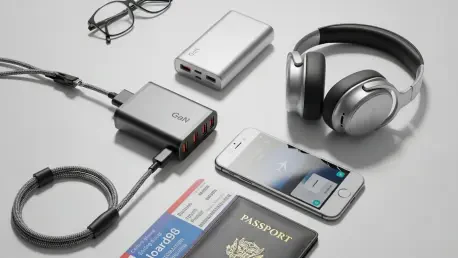
Dealing with diverse electrical standards remains one of the primary hurdles for international travelers, necessitating a robust approach to power management. High-performance voltage converters have evolved from heavy, heat-generating bricks into sleek, multi-functional adapters that utilize Gallium Nitride technology to maintain thermal efficiency while reducing the physical footprint in a suitcase. This shift toward GaN components allows for much higher wattage output in a smaller chassis, enabling a single adapter to charge high-demand devices like creative laptops and portable gaming consoles simultaneously. Many of these modern units are equipped with auto-resetting fuses and intelligent surge protection, which are essential for safeguarding expensive circuitry against the unpredictable voltage fluctuations common in older infrastructure or rural accommodations. By providing a stable interface between local grids and sensitive electronics, these adapters ensure that professional workflows are not interrupted by hardware failure.
Furthermore, the integration of multiple USB-C Power Delivery ports into a single wall plug has fundamentally changed how travelers organize their daily charging routines. These multi-port hubs allow an individual to turn a single, often hard-to-reach airport or hotel outlet into a centralized station for several devices, including smartphones, tablets, and wearable tech. The precision of modern internal controllers ensures that the exact amount of current is delivered to each connected device, preventing overheating and extending the overall battery longevity of the hardware. This streamlines the packing process, as the need for bulky proprietary power bricks is effectively eliminated. When a traveler can transition from a European Type C socket to a British Type G without sacrificing charging speed or safety, the logistical friction of international movement is significantly reduced. Centralizing power distribution through a robust, intelligent hub mitigates the risks associated with varying international standards while maintaining a high level of operational readiness for the duration of the trip.
Portable Energy: Maximizing Mobility and Organization
Mobile energy independence is no longer a luxury but a basic requirement for safety and situational awareness during long-distance transit. High-capacity power banks, often featuring 20,000mAh or greater capacities, serve as critical lifelines during transcontinental flights or in regions where reliable grid access is limited. These units have become increasingly sophisticated, incorporating pass-through charging capabilities that allow the power bank itself to be recharged while it simultaneously delivers energy to connected peripherals. For the frequent traveler, lithium-polymer batteries with integrated Power Delivery provide the necessary wattage to keep a laptop functioning during a full day of remote work away from a desk. Adhering to airline safety regulations is a key consideration in the design of these devices, with many manufacturers now clearly labeling watt-hour ratings to ensure seamless passage through security checkpoints. This availability of on-demand energy ensures that digital maps, boarding passes, and communication tools remain accessible at all times.
Beyond the raw capacity of the batteries themselves, the management of the cables and connectors required to link these devices has become a specialized field of travel organization. Rigid tech pouches and magnetic cable management systems prevent the chaotic tangling that often occurs within the depths of a backpack. High-quality silicone or braided nylon cables are now favored for their durability and resistance to the mechanical stress of constant packing and unpacking. Some modern power banks even integrate folding wall prongs and built-in cables, creating an all-in-one solution that reduces the number of individual items a traveler must track. This level of organization does more than just save time; it reduces the mental load of travel by ensuring that every component of the power ecosystem has a dedicated, easily accessible location. When every cord and battery is accounted for in a structured system, the risk of leaving essential gear behind in a hotel room or airport lounge is drastically minimized, allowing the traveler to focus on the journey rather than the logistics of their hardware.
Environmental Control and Sensory Isolation
Advanced Noise Cancellation: Creating Personal Sanctuaries
In the crowded and often chaotic environments of modern transportation hubs, the ability to control one’s immediate auditory surroundings is a significant factor in maintaining mental well-being and productivity. Advanced active noise-canceling headphones utilize sophisticated external microphones and digital signal processing to analyze ambient sounds and generate inverse waves that effectively neutralize unwanted noise. This technology is particularly effective at dampening the low-frequency drone of jet engines, the rumble of train tracks, and the hum of industrial air conditioning systems. For the business traveler, these devices provide a necessary bubble of silence that facilitates deep concentration or restorative sleep during long-haul transit. High-end models from industry leaders now incorporate adaptive algorithms that adjust the level of cancellation based on the specific environment, ensuring that important announcements or safety alerts can still be heard when necessary. The move toward high-fidelity wireless codecs also means that audio quality is no longer sacrificed for the sake of portability and convenience.
Complementing these noise-canceling headsets are compact Bluetooth transmitters that solve the persistent problem of outdated in-flight entertainment systems. These small dongles plug into the traditional dual-prong or single 3.5mm jacks found on aircraft seats, allowing travelers to use their preferred wireless headphones instead of the low-quality wired options provided by airlines. This bridge between legacy hardware and modern personal devices ensures a consistent sensory experience across different modes of travel. Additionally, transparency modes on modern earbuds allow for seamless transitions between complete isolation and active engagement with the environment, such as when speaking to flight attendants or navigating through a busy terminal. By curating the auditory environment, travelers can significantly reduce the fatigue associated with high-stimulus travel days. This control over sensory input is not merely about entertainment; it is a strategic tool for managing stress and ensuring that one arrives at their destination feeling refreshed rather than drained by the acoustic chaos of the journey.
Wellness Technology: Technological Health Interventions
Maintaining physical health while traveling has been revolutionized by the introduction of portable sanitization and monitoring tools that address the specific risks of transit. Portable UV-C water purifiers, designed to fit within standard reusable bottles, use specialized light frequencies to eliminate bacteria and viruses from local water sources in seconds. This technology provides travelers with an extra layer of security when visiting regions where tap water safety may be questionable, reducing the reliance on single-use plastic bottles. Similarly, compact air purifiers with HEPA filtration are increasingly used by those sensitive to allergens or concerned about air quality in confined hotel rooms or public transport. These devices are often no larger than a standard thermos and can effectively remove particulate matter and airborne pathogens from the immediate breathing zone. Such interventions represent a proactive approach to wellness that prioritizes prevention over the treatment of travel-related illnesses, ensuring that the itinerary remains on track.
The integration of smart wellness tech also extends to managing the physiological effects of crossing multiple time zones and the resulting disruption of circadian rhythms. Specialized light-therapy glasses and haptic sleep masks use controlled exposure to specific light wavelengths or gentle vibrations to help the body adjust to new schedules more rapidly. These gadgets work in tandem with mobile applications that analyze flight data and personal health metrics to provide a customized schedule for sleep, caffeine intake, and light exposure. For the high-frequency traveler, these tools are indispensable for mitigating the debilitating effects of jet lag and maintaining peak cognitive performance. Furthermore, wearable biometric sensors now track hydration levels, heart rate variability, and stress indicators, providing real-time feedback that encourages the traveler to take necessary breaks. By leveraging these technological health interventions, the modern journey becomes a more balanced experience where physical limitations are managed through data-driven insights and sophisticated hardware.
Connectivity and Security: The Digital Frontier
Mobile Networking: Strategic Data Management
Reliable internet access is the backbone of the modern journey, facilitating everything from navigation to remote professional collaboration. The rise of eSim technology has simplified the process of acquiring local data plans, allowing travelers to download and activate cellular profiles before they even land in a new country. This eliminates the need to seek out physical SIM card kiosks in foreign airports or deal with the exorbitant costs of traditional roaming. For those requiring a more robust connection for multiple devices, portable travel routers offer a secure way to share a single data source across a laptop, tablet, and smartphone. These routers often include built-in VPN support, which is a critical security measure when connecting to public Wi-Fi networks in hotels or cafes. By encrypting data at the router level, travelers can protect sensitive information from potential interception by malicious actors on the same network. This layered approach to connectivity ensures that the traveler remains productive while maintaining a high standard of digital hygiene.
Beyond simple web browsing, the use of dedicated travel routers allows for the creation of a consistent local network environment regardless of the location. This means that devices like wireless printers or media streaming sticks can remain connected to each other without needing to be reconfigured at every new stop. Many of these networking tools also feature microSD card slots, functioning as a private cloud storage solution for backing up photos and documents while on the move. This is particularly useful for creative professionals who need to offload large files from cameras without relying on slow or expensive upload speeds. In an era where data is as essential as any physical resource, the ability to manage one’s own network infrastructure provides a significant advantage. The strategic use of eSims and portable routers represents a transition toward total digital sovereignty, where the traveler is no longer at the mercy of localized infrastructure or insecure public access points. This connectivity framework supports a more flexible and secure lifestyle for those who view the world as their office.
Asset Protection: The Integration of Smart Logistics
The physical security of luggage and personal belongings has been greatly enhanced by the widespread adoption of smart tracking technology and biometric locking systems. Bluetooth and satellite-based tracking tags allow travelers to monitor the real-time location of their bags through a smartphone interface, providing peace of mind during complex multi-leg journeys. If a suitcase is misrouted by an airline, the traveler can often identify its exact location before the carrier’s own internal systems have updated. This data-driven approach to asset management reduces the anxiety associated with lost luggage and empowers the traveler to take informed action when discrepancies occur. Furthermore, the development of TSA-approved biometric locks has modernized the traditional padlock, utilizing fingerprint recognition to provide quick access while maintaining a high level of security. These locks eliminate the need for physical keys or easily forgotten combinations, streamlining the process of accessing one’s belongings while in transit.
In hindsight, the integration of these sophisticated gadgets provided a foundation for a more resilient and efficient form of global exploration. Travelers prioritized the use of multi-functional hardware that consolidated several roles into single, lightweight units, reflecting a broader trend toward minimalist efficiency. The adoption of localized data solutions and advanced encryption methods successfully mitigated many of the digital risks that had previously plagued international movement. By shifting the focus from reactive problem-solving to proactive preparation, these technological choices allowed for a smoother transition between different cultures and infrastructures. The lessons learned from managing complex power needs and sensory environments led to a more intentional approach to personal logistics, where the quality of the journey was directly enhanced by the reliability of the tools carried. As the standards for travel hardware continued to evolve, the emphasis remained on creating a seamless interface between the individual and the global environment, ensuring that the modern traveler remained both protected and connected.