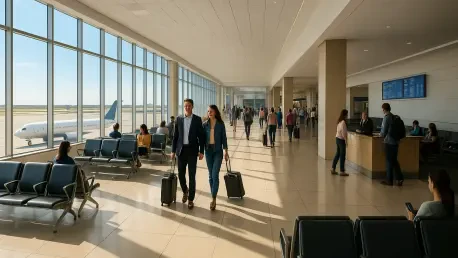

Large scale capital investments exceeding one billion dollars are now considered the minimum threshold for making a measurable impact on passenger satisfaction. At Harry Reid International Airport, this financial reality has become the foundation for a master plan that recently resulted in a fifteen-point increase on the JD Power satisfaction scale, a notable feat for a facility situated in the high-stakes mega airport category. By maintaining its fifth-place ranking among the busiest aviation hubs in North America, the Las Vegas gateway demonstrated that growth and renovation do not have to come at the expense of the traveler experience. The airport successfully managed a surge in passenger volume while navigating significant physical disruptions throughout the terminal areas. This performance was driven by a strategic alignment between the operational requirements of a modern transit hub and the specific hospitality expectations of the city it serves. As of 2026, the facility continues to redefine how a high-traffic environment feels.
Strategic Growth: Capitalizing on Identity and Infrastructure
Integrating a Unique Cultural Identity
The primary driver behind the airport’s continued success is its ability to lean into its geographical and cultural identity. Unlike many international hubs that feel like sterile, interchangeable structures, Harry Reid International provides an immediate sense of place that resonates with travelers. Its immediate proximity to the Las Vegas Strip allows for a remarkably seamless transition from the aircraft cabin to the city’s iconic resort corridor, a logistical advantage few other major cities can match.
Strategic placement of slot machines throughout the concourses serves as a cultural signifier that immediately immerses visitors in the local atmosphere. This unique approach to design ensures that the transit experience is not merely a pause in the journey but a continuation of the vacation itself. By moving away from the traditional utilitarian model, the airport effectively tapped into the psychological needs of travelers who demand a connection to their specific destination rather than just a generic passage.
Executing Large-Scale Modernization
To sustain its high rankings while preparing for a future with sixty-five million annual passengers, the airport is currently executing a massive, decade-long modernization program. This initiative represents a complete reimagination of the terminal infrastructure, addressing core operational efficiencies through the installation of sophisticated baggage handling systems that utilize artificial intelligence to minimize delays. These technical advancements are essential for maintaining a high level of service as the volume of flights continues to grow from 2026 through the end of the decade.
A centerpiece of this effort is the rollout of innovative curbside self-bag-drop technology, which fundamentally alters the check-in process. This system allows passengers to bypass traditional counter lines, reducing congestion within the main terminal building. By integrating these tools early in the journey, the airport reduces the physical and mental friction of air travel. Furthermore, the expansion of gate capacity is being managed to prioritize wider concourses and improved seating for wait times.
Service Excellence: Maximizing Amenities and Quality
Offsetting Construction with Modern Amenities
One of the most challenging aspects of airport management is maintaining high satisfaction scores during active construction. Harry Reid International has addressed this by prioritizing the phased rollout of luxury amenities that compensate for the presence of renovation walls. Significant capital has been allocated to upgrading the food and beverage selection, introducing high-end dining options that rival the offerings found in the city’s top resorts. This provides a necessary distraction for travelers navigating temporary walkways.
Additionally, the implementation of real-time TSA wait-tracking on the airport’s digital displays has become a vital tool for reducing passenger anxiety. By providing transparent data regarding security line times, the airport empowers travelers to manage their schedules more effectively. This focus on communication is a critical component of the strategy to mitigate frustrations caused by facility upgrades. Passengers remain remarkably forgiving when they see tangible service improvements and digital solutions.
Prioritizing the Human Element and Local Retail
The economic vitality of the airport is linked to its ability to provide a perfect experience, as satisfied travelers are more likely to spend money in the terminal. Outposts such as the Mob Museum store and the Vegas Golden Knights-themed restaurant offer travelers a final opportunity to connect with the city’s culture. These themed retail spaces reinforce the airport’s brand as a gateway to entertainment, creating a distinct competitive advantage that drives significant revenue growth from diverse passenger demographics.
In the past, the management team successfully balanced these commercial goals with a deep-seated culture of hospitality. Staff members were trained to serve as the city’s first and last impression, ensuring a unified standard of service. Moving forward, the aviation department began implementing even more personalized guest services to stay ahead of global trends. By synthesizing infrastructure modernization with a strong cultural identity, the facility established a new standard for mega hubs. This approach ensured that future expansions remained focused on the actual traveler journey.