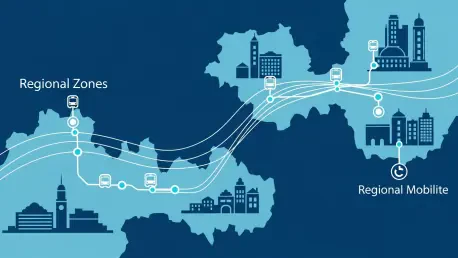

A massive shift is occurring in how residents navigate the landscape of the West of England, signaling a departure from decades of car-centric infrastructure towards a more integrated and fluid public transit system. This ambitious multi-million-pound initiative, spearheaded by the West of England Mayoral Combined Authority, aims to revitalize bus routes that bridge the gap between rural villages, suburban neighborhoods, and bustling employment centers. Supported by a strategic long-term grant from the Department for Transport, these improvements are engineered to offer a stable and predictable transit environment that is projected to remain robust through at least early 2029. The ultimate objective of this massive service expansion is to present a credible and reliable alternative to private vehicle travel, thereby encouraging a permanent shift toward more sustainable commuting habits across the entire region. By increasing the frequency of bus arrivals and extending operational hours, officials are effectively addressing the systemic gaps.
A Unified Vision for Regional Mobility
Regional leadership has established a rare consensus that a robust and interconnected bus network serves as the fundamental lifeblood of the local economy and social structure. Metro Mayor Helen Godwin, alongside various council representatives from Bristol, Bath, and the surrounding areas, is actively executing a shared strategy designed to get the region moving with newfound efficiency. They emphasize that the current modifications are not merely top-down directives but are a direct response to years of persistent advocacy from local residents who have long called for more dependable transit options. By aligning political will with public demand, the authority is creating a framework that prioritizes reliability over mere coverage. This approach ensures that every pound invested translates into tangible benefits for the workforce and the student population alike. The focus remains on building a system that is resilient enough to withstand economic fluctuations while maintaining high standards.
The West of England Mayoral Combined Authority is intentionally shifting toward a resident-focused model that places high value on responsiveness and seamless integration across different modes of travel. By actively listening to the specific needs of communities in geographic pockets such as the Chew Valley and Thornbury, the leadership is moving away from a fragmented, patchwork system toward one that offers greater certainty for daily users. This collaborative approach ensures that the transit network evolves to meet the actual, lived demands of the people who rely on it for their essential journeys. Instead of guessing where demand might be, planners are using real-time data and community feedback to shape the future of regional mobility. This shift represents a broader commitment to equitable access, ensuring that no neighborhood is left behind as the region grows. This methodology fosters a sense of ownership among residents, who see their feedback reflected in the updated bus schedules.
Revitalizing Rural and Inter-Urban Connections
A primary focus of the current rollout involves restoring vital links between quiet rural villages and major urban hubs such as Bath and Bristol. For instance, the newly introduced Service 100 now offers hourly trips, effectively replacing older and less frequent routes that often left passengers stranded for hours. This new service creates a reliable corridor through Timsbury and the Chew Valley, providing a lifeline for residents who previously felt isolated from the regional economy. Similarly, Service 101 has been launched to facilitate easier travel between Bishop Sutton and Radstock, ensuring that the southern reaches of the region are fully integrated into the broader transit network. These improvements are designed to reduce the reliance on personal cars for short to medium-distance trips, which in turn helps to alleviate traffic congestion on major arterial roads. By providing a consistent schedule, the authority is making rural living more viable for young professionals and families.
Expansion efforts also specifically target rapidly growing residential areas like Yate and Thornbury to accommodate the influx of new residents and rising populations. New services have been established to connect school-age children directly to their campuses, while providing adults with efficient shuttles into town centers for shopping and onward travel. By increasing the frequency of routes within the Somer Valley, the authority is making it significantly easier for commuters and students to access the city of Bath without the necessity of owning a personal vehicle. This strategic densification of service in high-growth corridors is essential for managing the environmental impact of regional expansion. Furthermore, these connections serve as a catalyst for local business growth by making it easier for employees to reach their workplaces on time. The integration of school transit into the wider bus network also reduces the number of private cars on the road during the morning rush hour.
Strengthening Urban Links and Transit Hubs
Urban connectivity is experiencing a significant boost through strategic route changes that are meticulously designed to improve access to major retail and business districts. In Bristol, Service 25 is being redirected to better link the Southville neighborhood with the city center and the Eastgate Shopping Centre, effectively streamlining cross-city travel for thousands of residents. This redirection minimizes travel times and provides a more direct path to essential services and employment opportunities. Residents in Keynsham are also benefiting from the introduction of the new K2 service, which connects newer housing developments to the town center while ensuring that existing connections remain intact. These targeted urban improvements are part of a larger effort to modernize the city’s transit hubs and make public transport the most attractive option for daily errands. By focusing on the most frequented destinations, the authority is maximizing the utility of every bus mile driven.
Investment in Park & Ride facilities remains a cornerstone of the regional strategy to reduce traffic congestion and lower carbon emissions within city limits. High-demand routes are seeing their peak-hour frequencies increased, and evening schedules are being extended to better accommodate the vibrant nighttime economy and workers with flexible shifts. This extension is particularly important for healthcare workers and hospitality staff who often find themselves underserved by traditional daytime schedules. Additionally, university-related services are being transitioned to year-round operations to ensure that residents in student-heavy districts have consistent transportation regardless of the academic calendar. This change recognizes that these neighborhoods are active throughout the year and require stable transit support beyond the school term. By broadening the scope of urban services, the West of England is creating a 24-hour transit culture that supports a diverse range of lifestyles and work patterns.
Modernizing Transit through Efficiency and Innovation
To ensure the long-term viability of the network, the Mayoral Combined Authority is carefully balancing service expansion with rigorous fiscal responsibility. This process involves the strategic reallocation of funds from underused or exceptionally high-cost routes toward more impactful services that benefit a significantly larger number of passengers. By eliminating historical inefficiencies, the region can focus its limited resources on high-frequency trunk routes that form the backbone of the transit system. This data-driven approach to budgeting ensures that public money is used where it can deliver the greatest social and economic return. Innovation is also playing a key role, as planners look for ways to optimize fleet usage and reduce idling times at busy terminals. This focus on efficiency does not mean a reduction in service quality; rather, it represents a smarter way of managing assets to ensure that the most popular and vital routes remain well-funded and highly reliable for all.
For areas where traditional fixed-route buses are not economically or practically feasible, the region is heavily promoting WESTlink, a demand-responsive transport service. This innovative app-based system allows passengers to book flexible trips on demand, serving as a critical last-mile connection to the broader fixed bus network. This technology is particularly effective in rural and suburban zones where passenger density is too low for standard buses. Looking toward the near future, the authority is also actively exploring a franchising model, similar to the one successfully employed in London. This shift would give the local government far greater control over fares, branding, and schedules, ensuring a more accountable and unified transit experience. Such a move would allow for better synchronization between different bus operators and more transparent pricing for the end user. This forward-thinking strategy aims to harmonize the various components of regional transit into a single, user-friendly system.
Planning for Sustainable Transit Success
The comprehensive overhaul of the bus network demonstrated a clear commitment to transforming the West of England into a model for regional mobility. By prioritizing the needs of residents and focusing on both rural and urban connectivity, the Mayoral Authority established a framework that significantly reduced car dependency. Moving forward, the next logical step involved the full implementation of the proposed franchising model to solidify public control over the network. It was also recommended that the region continued to invest in zero-emission bus fleets to align transit improvements with broader environmental goals. The success of these initiatives depended on continued collaboration between local councils and the central government to ensure that funding remained consistent beyond the current grant cycle. Providing a seamless, multi-modal payment system further enhanced the user experience, making the bus network an even more attractive choice for the general public.
Looking toward future expansion, the focus shifted to the further electrification of the entire transit network to meet net-zero carbon targets by the end of the decade. Integrating technological advancements like autonomous shuttles for short-haul neighborhood routes provided an innovative solution to the driver shortage issues that had plagued the industry in previous years. Furthermore, regional leaders prioritized the creation of dedicated bus lanes to protect these services from the unpredictable delays caused by general traffic congestion. Establishing a permanent citizen oversight committee ensured that the voice of the commuter remained central to all planning decisions. By treating public transit as a vital public utility rather than a commercial enterprise, the West of England sustained the momentum generated by these recent improvements. This long-term commitment to infrastructure ultimately defined the region’s economic competitiveness and its overall quality of life for the next generation.