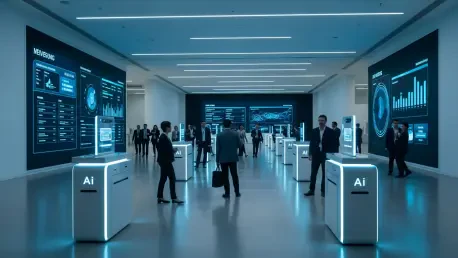

The traditional registration desk, once a symbol of event entry, has officially vanished in favor of high-speed digital conduits that prioritize attendee flow and immediate engagement. By the current year of 2026, the event industry has undergone a profound transformation, moving away from archaic manual check-ins toward a sophisticated tech-heavy model that treats convenience as a luxury standard. This evolution is driven by the integration of advanced hardware and software designed to eliminate friction at every possible touchpoint. From the moment an individual approaches the venue to their final interaction on the main stage, the experience feels fluid, high-end, and entirely personalized. Promoters are no longer just booking talent or securing venues; they are architects of digital ecosystems that serve dual purposes. These tools simultaneously elevate the guest experience while providing back-end simplicity for internal management teams. The result is a seamless environment where technology acts as an invisible but omnipresent concierge service.
Intelligent Identification: Digital Badges and Seamless Networking
Digital name tags represent a significant leap forward in the professional landscape, effectively replacing static paper with versatile e-ink displays that update in real time. These sophisticated badges offer far more than a simple visual identifier; they allow event organizers to rectify typos, adjust schedules, or push critical notifications wirelessly across thousands of units in a split second. By incorporating high-frequency NFC chips, these tags empower guests to swap contact information with a simple tap of their devices, rendering physical business cards nearly obsolete in modern networking environments. This technology provides a bridge between physical presence and digital connectivity, ensuring that no professional lead is lost to manual entry errors. Furthermore, the embedded sensors provide organizers with automated access control for exclusive VIP zones or restricted seminar rooms. This ensures security protocols are maintained without the need for intrusive manual badge checks at every doorway.
The strategic implementation of these digital identification tools fosters a sense of belonging and technical sophistication that physical printouts simply cannot match. When an attendee enters a specific breakout room, the e-ink display can automatically shift to show their relevant agenda for that specific track, reducing confusion and cognitive load. This level of responsiveness transforms a passive identification tool into an active participant in the event experience. Beyond individual convenience, the data collected from these interactions allows for a more nuanced understanding of how crowds move and interact within the venue space. If a particular session experiences an unexpected surge in popularity, the system can alert staff to deploy more seating or resources before the situation becomes a logistical bottleneck. By the span of 2026 to 2028, these smart badges will serve as the primary key for all onsite transactions and interactions, creating a unified ecosystem that prioritizes the attendee’s time.
Immersive Experiences and Efficient Venue Infrastructure
Synchronized LED wristbands have evolved from high-budget concert novelties into accessible, essential tools for events of every scale and industry. These devices utilize advanced radio frequency technology to transform the entire audience into a living, breathing canvas of reactive light that pulses in perfect synchronization with the program. This creates a shared sensory experience that bridges the gap between the presenter on stage and the individuals in the furthest rows of the auditorium. The psychological impact of being part of a unified visual display cannot be overstated, as it fosters a collective identity and heightens the emotional resonance of key moments during the event. Beyond the immediate visual impact within the venue, these intelligent light shows are meticulously designed to capitalize on the digital nature of the modern audience. The striking visuals are inherently shareable, encouraging guests to record and post content to social media platforms in real time.
Entry lines are rapidly becoming a relic of the past as AI-powered kiosks take over the heavy lifting of guest registration and venue access. These autonomous stations leverage advanced facial recognition technology and high-speed QR scanning to check in thousands of guests with a level of speed and precision that human staff cannot replicate. For those who arrive without pre-registered credentials, integrated printers can produce customized smart badges on demand in a matter of seconds. This automation does more than just speed up the entry process; it allows event organizers to reallocate their human workforce to more critical hospitality and troubleshooting roles. Instead of being tethered to a check-in computer, staff members can act as roaming concierges, providing a warmer and more personalized welcome to every guest. Modern venue setups also benefit from agile, high-performance audio systems and advanced wearables that allow internal teams to coordinate movements and resolve logistical issues instantly.
Strategic leaders within the industry recognized that the adoption of these technologies was not merely a matter of convenience but a fundamental requirement for remaining competitive. Organizers who successfully integrated biometric entry systems and real-time networking tools observed a marked increase in attendee satisfaction and higher rates of return for subsequent sessions. To stay ahead, planners began prioritizing vendors that offered end-to-end data compatibility, ensuring that every interaction contributed to a comprehensive view of the event’s success. The next logical step involved conducting thorough audits of existing hardware to ensure compatibility with incoming AI-driven analytics suites. Moving toward 2027 and 2028, the industry shifted toward granular personalization, where AI agents pre-curated networking matches and agendas. The successful events of the recent past proved that when technology removed barriers, the human element of gathering became more impactful and memorable for everyone involved.