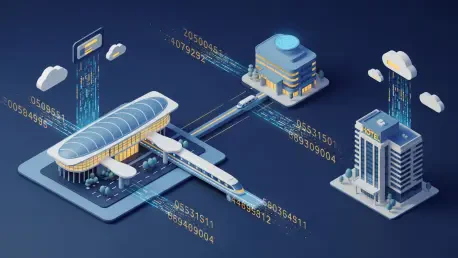

The rapid acceleration of touchless technology and decentralized identity management has transformed the way travelers interact with physical spaces, turning every smartphone into a universal key and concierge. As industry leaders convene to discuss the latest advancements at the Tourism Innovation Summit, the conversation has moved away from experimental pilots toward large-scale implementation of edge computing and real-time data analytics. These technologies allow hospitality brands to offer hyper-personalized experiences that adapt to individual preferences in real-time, such as adjusting room lighting and temperature based on a guest’s biometric stress levels or previous stay history. This shift represents a fundamental change in the industry’s value proposition, where the physical room is merely a canvas for a digital layer of service. Consequently, the focus is now on creating a unified data environment that connects airlines, ground transport, and lodging providers to ensure a cohesive journey without the typical silos.
Revolutionizing Personalization: The Role of Hyper-Automation and AI
Artificial intelligence has evolved from simple query-response bots into proactive digital assistants that manage complex itineraries and provide contextual recommendations based on live event data and local insights. By leveraging large language models that are specifically trained on proprietary hospitality datasets, companies are now able to provide a level of service that rivals traditional five-star concierge desks at a fraction of the cost. These systems do not just answer questions; they anticipate disruptions like flight delays or weather changes and automatically rebook reservations or suggest alternative activities. This level of automation extends into the dining experience, where AI-driven menu optimization tools analyze dietary restrictions and past orders to present curated choices to guests before they even sit down at a table. The goal is to eliminate decision fatigue, allowing the traveler to immerse themselves fully in the destination while the underlying technology handles the mental load of logistics.
Building on this foundation, hyper-automation is increasingly finding its way into back-of-house operations, where it optimizes everything from housekeeping schedules to inventory management for food and beverage departments. Robots are no longer a novelty but a functional necessity in large-scale resorts, performing repetitive tasks like linen delivery and floor maintenance, which allows human staff to focus on guest-facing roles that require emotional intelligence and complex problem-solving. This shift in labor dynamics is supported by advanced workforce management software that uses predictive modeling to adjust staffing levels based on real-time occupancy data and local event calendars. Furthermore, the integration of computer vision in hotel kitchens and storage areas helps reduce food waste by tracking consumption patterns and identifying inefficiencies in the supply chain. These operational improvements contribute directly to the bottom line while simultaneously enhancing the guest experience by ensuring that every service is delivered with precision.
Sustainable Infrastructure: Implementing Data-Driven Resource Management
Environmental responsibility has transitioned from a marketing buzzword to a core operational requirement, driven by both consumer demand and stringent global regulations regarding carbon reporting and energy efficiency that are scheduled to tighten from 2026 to 2028. Modern hotel tech now includes sophisticated building management systems that utilize Internet of Things sensors to monitor and regulate energy consumption in unoccupied spaces with surgical precision. These systems are connected to smart grids, allowing properties to sell excess renewable energy back to the community or shift heavy consumption tasks to off-peak hours to reduce costs and environmental impact. Water conservation is also being addressed through smart filtration and greywater recycling systems that are monitored via centralized dashboards, providing real-time transparency to guests who want to track their own ecological footprint during their stay. This transparency builds trust and loyalty among a demographic that prioritizes ethics alongside comfort, making sustainability a competitive advantage.
The strategies established during this summit emphasized that the successful integration of travel technology required a balance between sophisticated digital tools and the preservation of authentic human hospitality. Stakeholders identified that data privacy and security had to be the foundation of any innovation, as the collection of biometric and behavioral data demanded a high level of trust from the consumer. It was determined that the most effective path forward involved the adoption of open-source standards and interoperable platforms that allowed different service providers to share information securely and efficiently. Organizations were advised to invest in modular cloud architectures to facilitate rapid updates as new artificial intelligence capabilities emerged. By prioritizing these collaborative frameworks, businesses were able to provide a truly seamless travel experience that predicted and resolved issues before they affected the guest. The industry concluded that technology must remain an invisible enabler that elevates the human experience without overshadowing the local culture.