
The Philippine archipelago stands at a critical crossroads where traditional hospitality meets the high-octane demands of a hyper-connected global travel market, requiring a bold new direction. With tourism accounting for a substantial 8.1 percent of the national economy in 2025 and supporting over 7.7 million jobs, the government is no longer treating sector growth as a passive byproduct of natural beauty. Instead, a newly unveiled strategic roadmap for 2027 introduces a P5.47 billion budget specifically engineered to overhaul the nation’s visibility and operational efficiency. This ambitious blueprint signals a departure from conventional broad-stroke advertising, opting for a surgical approach that prioritizes technological integration and high-value market penetration. By viewing these expenditures as vital investments, the Department of Tourism aims to close the gap with regional competitors while solidifying the Philippines as a top-tier destination for the modern traveler who expects both authenticity and digital convenience.
Financial Strategy: Digital Overhaul and Budgetary Plans
Modern Branding: Data-Driven Marketing Initiatives
The shift toward digital platforms represents a seismic change in how the Department of Tourism communicates with prospective visitors, marking the end of traditional media dominance. Approximately 70 percent of marketing resources are now earmarked for digital media placements, reflecting a deep understanding of the contemporary consumer’s path to purchase in 2026. This digital-first orientation is backed by a P1 billion allocation for the global branding campaign and P1.37 billion for the Tourism Promotions Board. This financial commitment ensures that the narrative of the Philippines remains consistent and compelling across social media, search engines, and streaming services. By utilizing sophisticated data analytics, the department can now tailor content to specific demographics, ensuring that every peso spent contributes directly to increased arrivals. This methodology moves away from the “one-size-fits-all” campaigns of the past, allowing for a more nuanced engagement with high-value travelers.
Local Empowerment: Digital Integration for Small Businesses
Beyond high-level branding, the roadmap emphasizes the digital enablement of the foundational elements of the industry, particularly the small businesses that form the backbone of the sector. Strategic partnerships with fintech leaders like GCash, Klook, and Mastercard are being leveraged to integrate cashless payment systems into micro, small, and medium enterprises across the country. This initiative is crucial because it removes friction for international tourists who are increasingly hesitant to carry large amounts of physical currency in unfamiliar areas. Furthermore, the development of an interactive data dashboard and the modernization of tour guide qualification exams signify a push for internal efficiency. By digitizing these processes, the Department of Tourism can monitor trends in real-time and ensure that the workforce is equipped with the latest knowledge and tools. These technological upgrades serve to professionalize the sector, making it more resilient and attractive to visitors.
Global Reach: Market Expansion and Cultural Connectivity
Air Connectivity: Regional Growth and Visa Reform
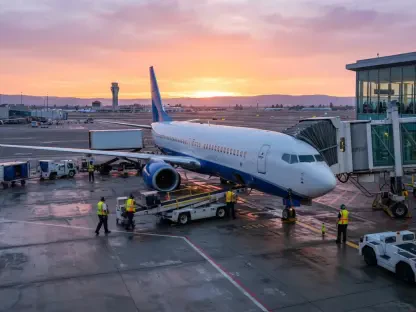
Sustaining momentum in primary markets like South Korea remains a top priority, but the roadmap also outlines a sophisticated strategy for expanding the country’s footprint in Japan and North America. To capture a larger share of the Chinese market, the department is aggressively pursuing visa reforms and enhancing air connectivity to secondary gateways such as Clark, Davao, and Puerto Princesa. This decentralization of entry points is intended to relieve pressure on Manila’s main hub while simultaneously boosting local economies in diverse provinces that have previously been overlooked. By offering visa-free entry for specific regional airports, the government hopes to attract a more diverse demographic of travelers who are interested in exploring the unique cultural and natural offerings beyond the capital city. This targeted approach to connectivity is expected to play a major role in the overall growth of international arrivals, as it significantly reduces the logistical barriers that deter potential tourists.
Sector Sustainability: Creative Diplomacy and Investment
The unveiling of this comprehensive roadmap provided a clear direction for the future of the nation’s tourism industry by emphasizing technological integration and cultural relevance. It was determined that the transition toward a more data-driven and digitally integrated model was the most viable path to maintaining regional competitiveness. Stakeholders focused on the necessity of localizing marketing efforts and streamlining administrative processes to foster a more business-friendly environment for smaller enterprises. The strategy also highlighted the importance of continuous investment in air connectivity and partnerships with Japanese firms like Marubeni and Sojitz. Moving forward, the emphasis was placed on the accountability of investment programs and the consistent evaluation of digital campaigns to ensure maximum economic impact. By prioritizing high-value markets and cultural diplomacy through ambassadors like BINI and SB19, the industry prepared itself for a sustainable expansion.