
Public Works spokesperson John Ogan noted that doubling the number of buses on the road has created a less crowded environment for passengers. This significant adjustment to Go COMO’s operations marks a turning point for Columbia’s transit infrastructure, which recently transitioned back to its 45-minute route frequency. For the better part of the last two years, the system had been forced to operate on a restrictive 90-minute schedule due to severe resource constraints and a limited active fleet. By increasing the number of buses from three to six, the city successfully halved the wait times that previously discouraged many potential commuters. The impact was immediate and substantial, with August recording nearly 40,000 individual boardings. This represents a 52% year-over-year surge, proving that when public transportation becomes reliable and frequent, the community responds by making it a primary mode of travel rather than a last resort for those who lack other options.
Transit Growth
Route Timing
The shift back to a 45-minute frequency has fundamentally reshaped how residents navigate the city on a daily basis. Previously, the 90-minute intervals were widely viewed as a significant barrier, often forcing commuters to choose walking over waiting for a bus that might not arrive for an hour and a half. Frequent riders, including Jackson Hotaling, observed that the previous schedule made tight appointments nearly impossible to keep without arriving excessively early or late. This sentiment was echoed in a citywide survey conducted in 2024, where a large majority of respondents identified infrequent routes as the single greatest deterrent to utilizing Go COMO. By doubling the active fleet, the city has removed this psychological and practical hurdle, allowing for more spontaneous trips and efficient commutes. Consequently, the bus system is no longer just a safety net for those in need but has become a viable, competitive alternative for anyone navigating the urban core.
App Features
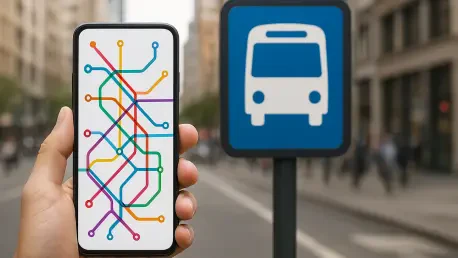
Beyond the physical addition of buses, the city has prioritized a digital-first approach to improve the overall passenger experience. The launch of the ETA Transit app represents a significant modernization of the system’s interface, replacing outdated tracking methods with a 2020s-standard technological suite. This platform provides riders with real-time bus tracking and instant push notifications regarding detours, mechanical delays, or service changes. Such transparency is crucial for maintaining public trust, as it allows passengers to plan their departures from home or work with surgical precision. John Ogan emphasized that these technological upgrades, when paired with more frequent departures, create a predictable and reliable environment that modern commuters demand. Instead of standing at a stop wondering if a bus is coming, residents can now monitor their transit options from their smartphones. This integration of data and physical infrastructure has played a vital role in recent growth.
Future Plans
Tiered Goals
Looking toward the immediate future between 2026 and 2028, the city is focused on an ambitious four-tier expansion plan rooted in a 2025 transit study. This roadmap outlines the introduction of late-evening service and the long-requested addition of Sunday routes, both of which are seen as essential for a growing metropolitan area. Proponents of these expanded hours argue that a more robust transit schedule offers significant community benefits beyond simple convenience, including improved safety. By providing reliable transportation options late at night, the city aims to reduce the incidence of impaired driving and offer a secure way for service industry workers to return home after their shifts. The goal is to transform Go COMO into a truly 24/7 service that mirrors the needs of a diverse workforce. However, achieving these milestones requires more than just political will; it necessitates a stable foundation of equipment to ensure that new routes are maintained without compromise.
Labor Issues
The path to implementing these ambitious service tiers remains heavily dependent on solving a persistent and critical shortage of qualified bus drivers. While the city has the financial and technological blueprint for growth, the physical operation of additional routes cannot proceed without a full roster of trained personnel. City officials recognized that recruitment and retention are the primary bottlenecks preventing Go COMO from reaching its full potential. To address this, local leadership focused on enhancing driver benefits and streamlining the hiring process to attract new talent in a competitive labor market. The success of the recent frequency restoration proved that demand exists, but maintaining this momentum required a dedicated effort to expand the workforce. Looking back, the city successfully demonstrated that reducing wait times was the first step in a larger transformation. Moving forward, the priority shifted toward stabilizing the labor pool to ensure the viability of these expansions.