
The magnetic pull of New Orleans has always resided in its ability to suspend time, yet the modern traveler now demands a sophisticated bridge between the city’s storied past and the contemporary luxuries of the present. As of the current season, the traditional hospitality model has undergone a significant transformation, with elite visitors increasingly bypassing standardized five-star hotels in favor of meticulously curated private residences that offer an immersive cultural experience. This evolution represents a deeper desire for authenticity, where the goal is no longer just to visit a neighborhood but to inhabit its very soul, effectively allowing guests to live within the historic fabric of the city while enjoying every modern convenience imaginable. These properties are not merely places to sleep; they serve as private galleries of architectural heritage, reflecting the diverse influences of French, Spanish, and Caribbean cultures that have shaped the Big Easy over centuries. By choosing these high-end rentals, travelers gain access to a lifestyle that feels both exclusive and deeply rooted in the local community, blending the privacy of a home with the concierge-level attention often reserved for the most prestigious resorts. The shift toward these upscale Airbnbs indicates a broader trend in global travel where personalization and architectural storytelling are valued above generic amenities, creating a new standard for luxury that is defined by space, history, and a genuine connection to the surrounding environment.
Iconic Neighborhoods: The Heartbeat of Residential Tourism
The French Quarter and Faubourg Marigny remain the primary targets for those who wish to be enveloped by the city’s relentless musical rhythm and historical gravitas. In these districts, the luxury rental market has pivoted toward restoring grand townhouses that feature wrought-iron balconies and secluded lush courtyards, providing a sanctuary away from the vibrant chaos of the streets. Staying in a Marigny Creole cottage offers a direct connection to the jazz heritage of Frenchmen Street, where the transition from a private, high-ceilinged living room to a world-class music venue takes only a matter of minutes. These residences often showcase original plaster moldings and floor-to-ceiling windows that overlook cobblestone paths, creating an atmosphere that is both regal and approachable. The specific allure of these areas lies in their walkability and the sensory richness of their surroundings, where the scent of jasmine and the distant sound of a brass band define the daily experience. High-end travelers prioritize these locations because they provide a front-row seat to the authentic nightlife and culinary innovation that continue to define the cultural identity of the region, ensuring that every moment of the stay feels intrinsically connected to the city’s historic core.
In contrast, the Garden District and Uptown neighborhoods offer a more serene and stately alternative, defined by expansive mansions and oak-lined avenues that evoke a sense of timeless Southern elegance. These areas are ideal for visitors who prefer a slower pace, where mornings are spent riding the iconic St. Charles Avenue streetcar and afternoons involve exploring the sophisticated boutiques and galleries of Magazine Street. The luxury rentals here often feature massive wraparound porches and private gardens, allowing guests to experience the famous porch culture of the South in a secluded, high-end setting. Further toward the river, neighborhoods like the Bywater and Treme provide a more eclectic and artistic vibe, where colorful shotgun houses and industrial-chic lofts attract a creative demographic. These areas have become centers for contemporary art and local gastronomy, offering a residential experience that feels both edgy and deeply traditional. By diversifying the available neighborhoods, the city ensures that every traveler can find a local environment that matches their personal aesthetic, whether they seek the historic intensity of the Quarter or the quiet, lush beauty of the city’s most prestigious residential enclaves.
Architectural Integrity: Where 19th-Century Heritage Meets Modern Innovation
A defining characteristic of the premier rental market this year is the meticulous preservation of original 19th-century architectural elements, which are now seamlessly integrated with cutting-edge technology. High-end properties are judged by their ability to maintain the patina of history—such as exposed hand-pressed brick, original heart-of-pine flooring, and antique marble mantels—while offering the invisible comforts of a smart home. Guests expect high-speed fiber-optic internet, climate control systems that can withstand the humid Southern climate, and integrated sound systems that allow for a customized auditory environment. This fusion of the old and the new creates a unique living space where the weight of history is balanced by the ease of modern living. Designers have moved away from gut renovations that strip a building of its character, choosing instead to highlight the imperfections that tell a story of the past. The result is a collection of homes that feel like living museums, where the architectural integrity of a Victorian mansion or a mid-century industrial space is respected and enhanced by sleek, contemporary interventions that cater to the needs of the modern digital nomad or luxury vacationer.
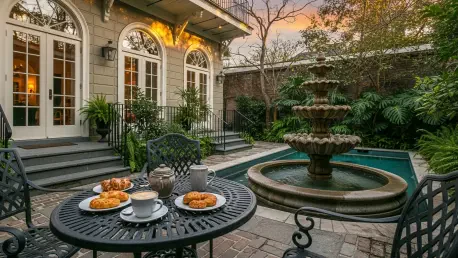
The aesthetic of these interiors has shifted toward a bold and sophisticated use of color and texture that reflects the vibrant spirit of New Orleans. Instead of the sterile, neutral palettes common in corporate hotels, luxury Airbnbs are embracing deep jewel tones, lush velvets, and local artwork that create a sense of place. This design philosophy, often referred to as a celebration of the city’s “joie de vivre,” aims to create an environment that is as lively and expressive as the streets outside. Furthermore, the importance of private outdoor spaces has reached an all-time high, with many properties now featuring heated plunge pools, outdoor kitchens, and meticulously landscaped patios. These areas serve as private retreats where guests can unwind in total seclusion, surrounded by tropical greenery and the soothing sounds of tiered fountains. The emphasis on high-end design extends to every detail, from custom-designed lighting fixtures that accentuate high ceilings to curated libraries of local history and literature. This holistic approach to interior and exterior design ensures that the physical environment is not just a backdrop for the trip, but a primary component of the luxury experience itself.
Strategic Diversity: Meeting the Demands of Modern Travel Groups
The current luxury landscape in New Orleans is also characterized by a diversification of property types, ranging from massive historic estates to intimate, designer-led studios. This variety allows the city to accommodate a wide array of traveler needs, specifically the rise of “bleisure” groups who combine corporate retreats with high-end leisure activities. Large-scale properties now function as private mini-resorts, offering multiple suites, dedicated workspaces with ergonomic furniture, and expansive common areas for networking or family gatherings. These estates often include high-capacity amenities such as professional-grade kitchens, billiards rooms, and enough outdoor space to host private events. This level of capacity is particularly valuable for large families or professional teams who require the privacy and flexibility that a traditional hotel cannot provide. By offering these high-capacity homes, the market has successfully captured a segment of travelers who value the ability to stay together under one roof while still enjoying the individual privacy afforded by sprawling, multi-room historic layouts that are unique to the city’s architectural tradition.
On the other end of the spectrum, there is a burgeoning market for sunlight-drenched, romantic cottages and minimalist studios that cater to couples and solo travelers looking for a more intimate getaway. These smaller properties focus on high-impact design and a sense of coziness, often featuring open-concept layouts that maximize natural light and highlight original architectural details like dormer windows and vaulted ceilings. Many of these rentals emphasize “porch life,” encouraging guests to engage with the neighborhood in a way that is distinctly Southern. Whether it is a restored slave quarter in the back of a grand estate or a modern studio in a repurposed warehouse, these intimate spaces provide a sanctuary for those who want to balance the sensory intensity of the city with a quiet, beautifully designed retreat. The ability to choose between a minimalist, modern aesthetic and a more traditional, ornate environment allows travelers to customize their stay to their specific mood and purpose. This strategic diversity in the housing stock ensures that the luxury market remains resilient and adaptable, catering to everything from high-stakes corporate brainstorming sessions to quiet, historically-focused romantic escapes.
Professional Hospitality: Elevating the Guest Experience Beyond Accommodations
The standards for Southern hospitality have been significantly elevated, with premium hosts now offering a level of service that rivals the most prestigious concierge desks in the world. Modern travelers expect a curated experience that goes far beyond the provision of a clean room and a set of keys. High-end listings now frequently include personalized neighborhood guides that highlight hidden culinary gems, private gallery tours, and exclusive access to local events that are not found in traditional tourist brochures. This shift toward “host-as-curator” allows guests to bypass the more commercialized aspects of the city and find the authentic, soul-stirring experiences that make New Orleans unique. Additionally, the integration of wellness-focused amenities has become a standard requirement for luxury stays. This includes high-quality organic linens, premium locally sourced bath products, and features such as clawfoot tubs or infrared saunas that facilitate recovery after a long day of exploring. By focusing on these high-touch details, hosts are able to create a sense of care and intentionality that makes the guest feel like a valued member of the community rather than just a temporary visitor.
Furthermore, the demand for pet-friendly policies and high levels of walkability has reshaped how properties are marketed and managed. Many luxury travelers now travel with their pets, and listings that provide high-end amenities for furry companions, such as designer pet beds and proximity to local parks, are seeing a surge in popularity. Accessibility to the city’s historic transit system, specifically the streetcars, also plays a major role in the desirability of a property. Being able to navigate the city’s major districts without the need for a rental car is seen as a significant luxury, particularly during the busy festival seasons when traffic and parking can be challenging. Professional hospitality in this context means anticipating the logistical needs of the guest and providing solutions that make the stay as seamless as possible. Whether it is arranging for a private chef to prepare a traditional Creole meal in the home or providing a fleet of bicycles for neighborhood exploration, the goal is to remove every friction point. This comprehensive approach to service ensures that the rental experience is not just about the physical space, but about the quality of life that the guest is able to enjoy during their tenure in the city.
The Final Verdict: Defining the Future of Premium Stays
The transition toward high-end residential tourism in New Orleans was defined by a collective move away from the sterile atmosphere of traditional lodging. Travelers sought out environments where they could feel the history of the city beneath their feet while enjoying the seamless integration of modern luxury. Properties that succeeded in this landscape were those that respected the architectural bones of the 19th century while providing the technological and comfort-driven amenities required by the current generation of global explorers. The market evolved to prioritize the “human element” of travel, where the host’s local knowledge and the home’s unique character became the primary drivers of value. This period saw the rise of the “super-host” as a cultural ambassador, someone who did not just manage a property but curated an entire lifestyle for the guest. The success of these Airbnbs was ultimately measured by their ability to provide a portal into the soul of the Big Easy, offering a level of intimacy and historical immersion that was previously unattainable within the confines of a standard hotel room, thus setting a new benchmark for what it meant to experience a destination fully.
Looking toward the next phase of urban travel, the focus must remain on sustainable preservation and the continued elevation of personalized service. Potential hosts and investors should prioritize the restoration of historic properties that offer unique architectural narratives, as these will always command a premium in a market saturated with modern replicas. To stay competitive, owners should consider investing in wellness-centric upgrades, such as high-grade air filtration systems and private spa features, which are becoming non-negotiable for the elite traveler. Furthermore, building strong relationships with local artisans and businesses will allow for the creation of truly exclusive guest packages that cannot be replicated by larger corporate entities. The path forward for New Orleans’ luxury market lies in its ability to remain authentically local while meeting the increasingly sophisticated technical demands of international visitors. By maintaining this delicate balance between the city’s historic charm and the expectations of modern luxury, the residential tourism sector will continue to thrive as the primary choice for those who want to experience the true essence of one of the world’s most unique and culturally rich cities.