
Brisbane is currently undergoing a radical physical metamorphosis as multi-billion-dollar investments in transit networks redefine how residents engage with their metropolitan surroundings. This shift is not merely about moving people from one point to another; it represents a fundamental restructuring of the city’s social and economic DNA. As the skyline continues to bristle with cranes, the strategic expansion of rail and road systems acts as the primary architect for new residential patterns and commercial clusters. The integration of high-frequency transit into the suburban fabric is effectively dissolving the traditional boundaries between the inner city and its outskirts, creating a more cohesive and accessible urban environment. This evolution is driven by a necessity to accommodate a rapidly growing population while maintaining the liveability that has long defined the region. Consequently, the relationship between infrastructure and land use has become the most critical factor in determining the future trajectory of the city’s development and its global competitiveness.
The Architecture of Connectivity: Redefining Metropolitan Movement
The Integration of Multi-Modal Transit Networks
The transition toward a sophisticated multi-modal transit system is dismantling the decades-long reliance on private vehicle travel in favor of seamless, interconnected public options. By synchronizing heavy rail operations with high-capacity bus rapid transit corridors and expansive cycling networks, planners are creating a grid that offers residents legitimate alternatives to the daily commute. This approach relies on the synchronization of schedules and the physical proximity of different modes, ensuring that a passenger can transition from a train to a bus or an e-bike with minimal friction. Such connectivity is essential for reducing congestion on major arterial roads like the Pacific Motorway, which has historically struggled under the weight of solo drivers. Modern commuters now prioritize efficiency and reliability, qualities that are being embedded into the system through advanced signaling technology and dedicated transit lanes that bypass traditional traffic bottlenecks.
The shift toward these integrated networks also reflects a broader commitment to environmental sustainability and active transportation across the metropolitan area. Beyond just reducing carbon emissions, the emphasis on active transit links—such as the green bridges and separated cycleways—encourages a healthier lifestyle and more vibrant street-level activity. These pathways are no longer treated as secondary considerations but are integrated into the core design of new infrastructure projects. By providing safe and direct routes for pedestrians and cyclists, the city is fostering a culture of mobility that prioritizes the human experience over the throughput of automobiles. This design philosophy is particularly evident in the way new bridges connect previously isolated riverfront pockets, creating a continuous loop of movement that enhances the accessibility of recreational spaces. The result is a more resilient transportation framework that can adapt to the diverse needs of a modern, mobile workforce while supporting a high standard of urban living.
The Rise of High-Density Interchange Precincts
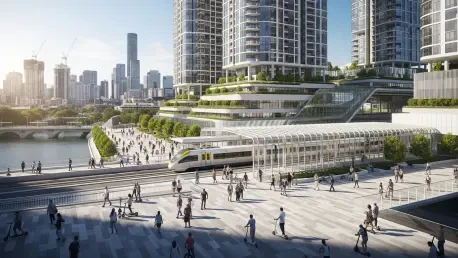
Modern transit stops are evolving into complex “interchange precincts” that serve as much more than simple boarding points for buses and trains. These hubs have become sophisticated ecosystems where transportation intersects with retail, office spaces, and high-density residential developments, effectively creating mini-cities within the broader urban landscape. By concentrating essential services and employment opportunities at major transit nodes, planners are reducing the need for long-distance travel and encouraging a “polycentric” city model. This strategy ensures that residents can access shopping, healthcare, and dining within a short walk of their arrival point, significantly enhancing the convenience of public transit. Facilities like those in Woolloongabba and Roma Street are leading this trend, transforming once-industrial or underutilized land into bustling centers of economic activity that remain active well beyond traditional peak commuting hours.
This concentration of activity at transit hubs also serves as a powerful magnet for institutional investment and commercial innovation. Large-scale developers are increasingly drawn to these precincts because the guaranteed foot traffic and superior connectivity mitigate the risks associated with major urban projects. The presence of premium office space directly above or adjacent to major rail stations allows companies to attract top-tier talent from across the region, as employees value the reduced commute times and the amenities available on-site. Furthermore, the inclusion of residential towers within these precincts provides a captive market for local businesses, ensuring the long-term viability of the retail and hospitality sectors. This synergy between different land uses creates a virtuous cycle of growth, where improved infrastructure attracts more residents and businesses, which in turn justifies further investment in the transit network itself.
Socioeconomic Impacts: Reshaping Neighborhoods and Housing Markets
The Transformation of Suburban Real Estate
The expansion of reliable public transport into traditionally overlooked suburbs is sparking a rapid and profound transformation of the local housing market. Areas that were once characterized by single-family dwellings on large lots are now seeing a surge in high-density infill projects, including boutique apartment complexes and modern townhouses. This densification is most visible in suburbs like Toowong and Bowen Hills, where the proximity to rail and busway stations has made land exceptionally valuable for multi-residential development. As developers compete for sites near these corridors, the physical character of these neighborhoods is shifting toward a more cosmopolitan aesthetic. While this increased density provides much-needed housing supply for a growing population, it also fundamentally alters the demographic makeup of long-established communities by attracting younger professionals and downsizers who prioritize proximity to transit over traditional backyard space.
The financial reality of this infrastructure-led growth is a significant increase in property values and rental rates in areas with superior connectivity. Data indicates that homes located within a kilometer of a major transit station command a significant premium compared to those in more isolated pockets. This trend creates a more competitive and expensive market, which can lead to the displacement of lower-income residents who find themselves priced out of newly revitalized corridors. However, the long-term benefit is a more diverse and vibrant urban environment that supports a wider range of lifestyle choices. The challenge for policymakers lies in balancing the drive for density with the need for affordable housing options within these high-demand zones. By leveraging the increased land value generated by new infrastructure, the city can potentially fund social housing initiatives that ensure a more equitable distribution of the benefits brought about by improved metropolitan connectivity.
Navigating Disruption for Long-Term Urban Gains
The execution of major transport projects inevitably brings a period of significant disruption, creating a temporary but intense friction between current convenience and future prosperity. Construction sites often lead to persistent noise pollution, dust, and complex traffic detours that test the patience of residents and local business owners alike. Small businesses, in particular, may experience a decrease in foot traffic and revenue as traditional access routes are blocked or redirected to accommodate heavy machinery and tunneling operations. These short-term hurdles are often the most visible and controversial aspect of urban evolution, fueling debate over the necessity and scale of specific projects. However, the prevailing consensus among urban designers is that these “growing pains” are an unavoidable requirement for correcting historical infrastructure deficits and preparing the city for a sustainable and more connected future.
To mitigate these impacts, modern project management strategies are prioritizing the creation of “green” public spaces and pedestrian-friendly designs even during the construction phase. The focus is on ensuring that once the barriers are removed, the resulting streetscape is significantly improved, offering wider sidewalks, better lighting, and more shade-providing vegetation. This long-term vision emphasizes the creation of a more equitable city where high-quality infrastructure is not a luxury but a standard feature of every neighborhood. By investing in durable materials and smart-city technology during the build, the city ensures that the new networks will require less maintenance and offer better service for decades to come. The ultimate goal is to transition through this phase of upheaval to arrive at a state where the ease of movement and the quality of the public realm directly enhance the daily lives and economic prospects of the entire population.
Future Strategies for Resilient Infrastructure
Strategic planning for the coming decade must prioritize the integration of emerging transit technologies with existing heavy-rail assets to ensure the city remains adaptable to changing demand. The successful deployment of high-capacity transit hubs has demonstrated that residents are willing to embrace density when it is paired with exceptional connectivity and public amenities. Moving forward, the focus should shift toward “last-mile” solutions, such as autonomous shuttle loops and expanded micromobility docking stations, to bridge the gap between suburban homes and major transit arteries. By creating a granular network that reaches deeper into residential pockets, the city can further reduce the necessity of car ownership and alleviate the pressure on park-and-ride facilities. This approach will be critical for maintaining the efficiency of the overall system as the population density continues to increase in the middle-ring suburbs.
The evolution of the urban landscape showed that infrastructure is the most powerful tool available for shaping social equity and economic vitality. Planners succeeded in transforming formerly disconnected areas into thriving centers of activity, but the next phase of development required a more nuanced focus on housing diversity and local business resilience. Future projects should incorporate flexible zoning and tax incentives that encourage the inclusion of affordable housing within new interchange precincts, preventing the formation of exclusive enclaves. Additionally, the transition to a more walkable and transit-oriented city must continue to emphasize the quality of the “human-scale” environment, ensuring that every new piece of infrastructure contributes to the aesthetic and social value of the neighborhood. By viewing every transit project as an opportunity for urban renewal rather than just a technical challenge, the city solidified its position as a global model for sustainable and inclusive growth.