
The concept of a modern journey has evolved from checking off historical landmarks to a deep, sensory immersion where the dinner table serves as the definitive gateway to cultural understanding. For Antoni Porowski, known globally as a culinary visionary, food is not a mere secondary attraction but the literal heartbeat of every international excursion. Through his recent collaborations with prominent travel networks, Porowski advocates for a philosophy that prioritizes the plate over the postcard, arguing that the true soul of a city lies within its local markets and neighborhood kitchens. This approach shifts the focus from superficial sightseeing to a more profound engagement with the heritage and daily rhythms of the people who call a destination home. By using flavors as a primary navigation tool, travelers can bypass the polished facade of tourism to discover the authentic narratives that define human connection across diverse borders. This shift represents a broader movement toward experiential travel that values substance over appearance.
Seeking Soul: The Enduring Power of Heritage Cooking
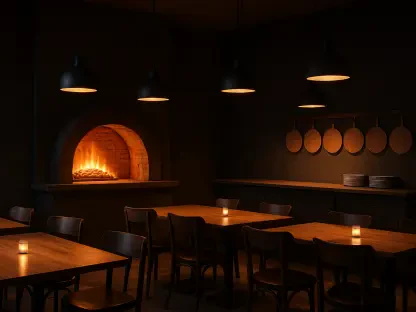
One of the most effective strategies for identifying exceptional dining experiences involves what Porowski describes as the “grandma rule,” a search for kitchens helmed by experienced matriarchs. These establishments typically prioritize generational techniques and inherited recipes over the transient trends that often dominate contemporary corporate dining scenes. By seeking out unassuming, family-run spots, a traveler can experience a level of culinary “soul” that is frequently absent in more commercialized venues. This focus on heritage ensures that the meal is not just a source of nutrition but a tangible link to the past, preserving the specific flavors and textures that have sustained a community for decades. While modern digital tools and social media platforms can provide initial leads, the most authentic encounters usually occur in places that have remained resistant to the pressures of rapid modernization. This dedication to tradition provides a reliable benchmark for quality.
Although digital curation plays a significant role in planning, Porowski emphasizes that the most memorable discoveries often arise from a willingness to embrace spontaneity and wander off the beaten path. By observing where local residents gather during peak dining hours, one can find hidden gems that do not appear in mainstream travel guides or popular recommendation apps. This hybrid methodology blends meticulous research with an openness to chance encounters, allowing for a balanced itinerary that features both legendary institutions and undiscovered local favorites. Navigating through residential neighborhoods and engaging with shopkeepers provides a context for the food that a smartphone screen cannot replicate. Ultimately, the goal is to find dishes that are deeply reflective of the current community’s tastes while remaining firmly rooted in historical traditions, creating a multi-layered experience that enriches the overall understanding of a specific region or culture.
Culinary Logistics: Structuring the Daily Journey
In this food-centric model of exploration, the traditional travel itinerary is inverted, with breakfast, lunch, and dinner serving as the primary structural pillars of the day. Instead of fitting meals around museum visits or shopping excursions, the schedule is designed so that the intervals between dining experiences are spent exploring the city’s nuances and getting lost in its streets. This method encourages a slower pace of travel that favors quality over quantity, allowing the traveler to fully digest the atmosphere of a location alongside its cuisine. As travelers increasingly prioritize authentic culinary landscapes, this shift in planning reflects a broader desire to gain an intimate perspective of urban life. By dedicating specific blocks of time to culinary exploration, the journey becomes a continuous narrative of taste that links different parts of a city together in a logical and highly rewarding sequence of sensory experiences.
Navigating the public sphere as a recognized food expert introduces a unique set of challenges, particularly when trying to enjoy a modest or messy local meal without drawing excessive attention. However, Porowski maintains that the visibility of social media should not dictate the value of a dish; rather, the quality must be grounded in flawless technical execution. While a specific taco or pastry might achieve viral status online, it is the mastery of fundamental cooking techniques that ultimately separates a fleeting trend from a truly transformative dining experience. The irony of fame often meets the reality of street food, where the lack of pretension allows for a more genuine interaction with the local culture. Authentic craftsmanship remains the gold standard, ensuring that every bite serves as a lesson in local history and provides a lasting impression that transcends the superficiality of modern digital fame or the fleeting nature of internet hype.
Geographical Narratives: From North American Simplicity to European Precision
North American culinary traditions offer a unique study in how regional staples can define the identity of a landscape through simplicity and seasonal focus. In regions like coastal Maine, the act of cooking lobster in fresh ocean water creates a specific maritime ambiance that connects the consumer directly to the surrounding environment and its natural resources. Similarly, a deeper dive into the food scene of Montreal reveals a complex tapestry that extends far beyond the well-known cliches of regional staples. By exploring the multicultural influences that shape the city’s modern culinary fabric, visitors can appreciate a diverse range of flavors that reflect the evolving demographic of the region. These highlights underscore the importance of local sourcing and the way environmental factors influence the taste profile of a destination, proving that even the most basic ingredients can tell a compelling story when they are prepared with genuine care.
Transitioning to Europe, the focus often shifts toward technical precision and the deep historical context embedded in traditional preparations. In Warsaw, the ritual of preparing hand-chopped steak tartare serves as both a performance of skilled craftsmanship and a vital connection to Polish heritage. This specific dish exemplifies how culinary traditions can be preserved and celebrated through a commitment to high-quality ingredients and meticulous technique. Even in a culinary capital like Paris, where luxury is often the primary focus, the most successful dining experiences are frequently those that master the basic fundamentals of flavor and texture. Whether it is a perfectly executed omelet or a simple baguette, the European approach demonstrates that sophistication is often found in the refinement of the familiar. By understanding the historical roots of these techniques, travelers can better appreciate the cultural significance of every meal.
Global Flavors: Embracing Bold Traditions in Latin America
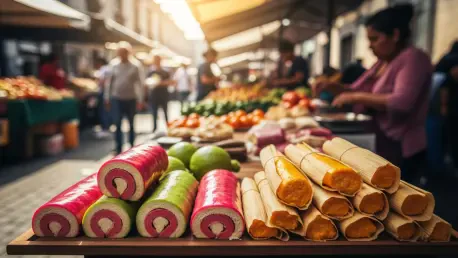
Mexico City stands as a testament to the sophisticated artistry of indigenous ingredients and the deep-seated cultural significance of ancestral cooking methods. From the vibrant flavors of guava rolls to the earthy, complex notes of specialty tamales, the city’s food scene offers a direct link to the agricultural history of the region. Porowski’s exploration of these bold flavors demonstrates a respect for ingredients that are often misunderstood or overlooked by outsiders, emphasizing that food serves as a primary gateway to understanding a nation’s social dynamics. The willingness to experiment with unfamiliar textures and tastes allows for a more immersive cultural experience, breaking down barriers between the traveler and the local community. This dedication to authentic expression ensures that the dining table remains a space for education and discovery, where the origins of every ingredient are celebrated as part of a larger national narrative.
The Mediterranean region further reinforces the value of rustic, unpretentious dining where the innate quality of the ingredients is allowed to shine without unnecessary embellishment. In locations such as Mykonos, a honey-glazed pork chop served in a simple, cash-only establishment can provide a more profound sense of place than any high-end resort restaurant. This connection between local sourcing and traditional preparation is also evident in Italy, where the proper pairing of aged balsamic vinegar with artisanal cheese highlights a centuries-old commitment to excellence. These experiences illustrate that the heart of travel is often found in the most humble settings, where the spirit of a community is expressed through its commitment to quality and tradition. By prioritizing these authentic flavors, travelers can foster a deeper appreciation for the land and the people who work it, turning every meal into a meaningful contribution to their global perspective.
Lasting Impact: Strategic Recommendations for Future Explorations
Effective travel strategies focused on the integration of local culinary traditions as the primary driver of exploration. Enthusiasts prioritized smaller establishments that showcased authentic techniques, allowing for a deeper connection with the cultural history of their destinations. This method provided a framework for understanding global social dynamics through the lens of agriculture and traditional food preparation. Travelers who adopted this mindset discovered that meaningful connections were forged more easily over shared meals than through traditional sightseeing alone. These explorers recognized the importance of seasonal ingredients and local sourcing, which ultimately enriched their understanding of the environmental factors affecting different regions. By moving beyond viral trends and focusing on technical mastery, participants in this culinary movement ensured that their journeys left a lasting, positive impact on both themselves and the communities they visited during their travels.