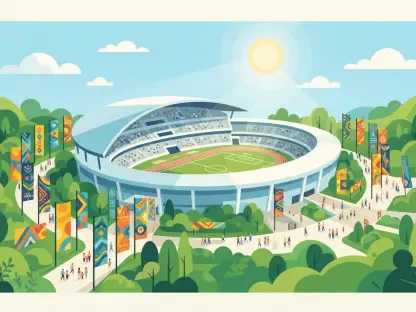

The cobblestone streets of Edinburgh are currently witnessing a transformative shift in international tourism as the 2026 Edinburgh Festival Fringe prepares to break all previous attendance records through a combination of cultural prestige and logistical innovation. This year, the city serves as a global magnet for performers and spectators alike, fueled by a renewed appetite for authentic live experiences that transcend traditional digital entertainment formats. Travel experts observe that the influx of visitors is not merely a return to form but a sophisticated evolution of the festival model, where high-tech infrastructure meets centuries-old tradition. Airlines have responded to this demand by introducing dozens of new direct long-haul routes connecting North America and East Asia directly to Scotland, bypassing major European hubs that previously acted as bottlenecks. The result is a more diverse and globally representative audience than ever before, creating a unique economic environment that benefits local businesses and international arts communities.
Technological Infrastructure and Smart Transit Solutions
The sheer volume of travelers arriving this season has necessitated the implementation of advanced AI-driven crowd management systems and integrated transit networks designed to streamline the visitor experience. These technologies are not just passive monitoring tools; they provide real-time data to commuters through a unified mobile application that synchronizes train schedules, bus routes, and even pedestrian traffic flow indicators. By utilizing edge computing, the city council can adjust public transport frequency on the fly, ensuring that the surge in visitors does not lead to the congestion typical of such massive cultural events. Moreover, the integration of contactless payment systems that support a wide range of international digital wallets has eliminated the friction traditionally associated with navigating foreign transit systems. This seamless approach to mobility allows tourists to focus on the performances rather than the logistics of movement, fostering a more positive perception of the city’s accessibility and modernizing its historical charm.
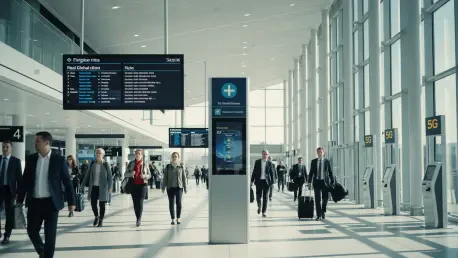
Beyond local transit, the aviation sector has adopted sustainable aviation fuel initiatives and predictive maintenance algorithms to ensure that the increased flight frequency remains both efficient and environmentally conscious. Major carriers operating out of Edinburgh Airport have deployed biometric boarding processes and automated customs clearance to handle the massive throughput of international passengers without compromising security or comfort. These infrastructure upgrades are complemented by the deployment of 5G-enabled visitor kiosks throughout the city center, providing tourists with instant access to event schedules, local maps, and emergency services. The synergy between high-capacity hardware and intuitive software has created a robust ecosystem capable of supporting millions of unique interactions daily. This level of preparation demonstrates a commitment to maintaining Edinburgh’s status as a premier global destination while addressing the physical limitations of its urban layout through digital ingenuity and strategic planning.
Digital Enhancements and the Future of Performance
The intersection of live theater and digital reality has reached a new pinnacle this year, with many Fringe productions incorporating augmented reality to enhance storytelling for physically present and remote audiences. Several venues have partnered with tech firms to provide lightweight AR glasses that overlay translations, director’s notes, or visual effects directly onto the stage during a live performance. This innovation has significantly lowered the language barrier for international tourists, making avant-garde Scottish plays accessible to visitors from across the globe who might have previously felt excluded. Additionally, the festival’s official booking platform now uses blockchain technology to prevent ticket scalping and ensure fair pricing, a move that has bolstered consumer confidence and stabilized the secondary market. By prioritizing transparent and accessible technology, the festival organizers have managed to democratize access to the arts while simultaneously increasing the commercial viability of individual shows through a more secure and efficient transaction model.
Stakeholders prioritized the development of a long-term data strategy that analyzed visitor behavior to better prepare for future fluctuations in global travel demand. They implemented a decentralized accommodation model that utilized regional transport links to alleviate pressure on the city center, encouraging tourists to explore areas beyond the traditional festival footprint. This approach successfully balanced economic benefits with resident quality of life, proving that massive international events were manageable through disciplined resource allocation and community engagement. Furthermore, the focus on environmental sustainability led to the adoption of zero-waste protocols across all major venues, which set a new standard for large-scale cultural gatherings worldwide. These actions provided a blueprint for other cities seeking to host global festivals without compromising their historical integrity or ecological health. Moving forward, the emphasis shifted toward maintaining these digital and physical advancements to ensure the festival remained a resilient and inclusive pillar of the international arts community.