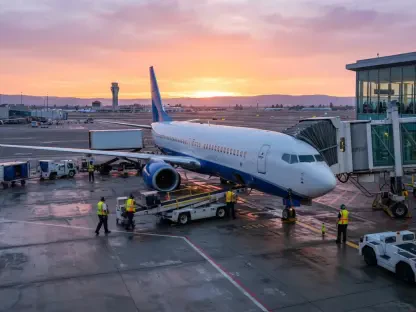

The global landscape of commercial aviation has undergone a profound transformation as corporate booking volumes finally eclipsed the previous benchmarks set nearly seven years ago, signaling a definitive return to face-to-face enterprise. While the post-pandemic era was initially defined by a massive surge in revenge travel and casual tourism, the current market dynamic shows a cooling of consumer enthusiasm for luxury vacations in favor of mission-critical corporate engagements. Financial data from major carriers indicate that premium cabin occupancy is now driven primarily by high-value professional accounts rather than affluent vacationers. This pivot suggests that the efficiency of digital communication has reached its ceiling in the world of high-stakes negotiation. Large organizations are now prioritizing physical presence to secure partnerships and manage complex international supply chains. As leisure demand plateaus, the corporate sector provides the revenue needed to sustain the industry.
Strategic Reorientation: Why Corporate Engagement Is Dominating the Market
Business leaders are increasingly recognizing that virtual platforms, while convenient for internal check-ins, often fail to replicate the nuanced social cues required for closing significant deals or building long-term trust. Data from global travel management firms shows that expenditures on international business trips have risen by twelve percent since the start of 2026, driven by sectors such as fintech, renewable energy, and advanced manufacturing. Corporations like JPMorgan Chase and Siemens have reported significant increases in their travel budgets to accommodate high-level negotiations and technical on-site audits. These industries require hands-on site inspections and collaborative workshops that cannot be executed effectively through a screen. Consequently, companies are allocating larger portions of their operational budgets to travel, viewing it as a necessary investment in market share. This shift is evident in the mid-market segment.
In contrast to this professional boom, the leisure market has encountered a period of relative stagnation as household savings dwindle and the novelty of unrestricted travel begins to fade for the general public. Families who previously prioritized expensive international trips are now opting for local alternatives or skipping vacations altogether to manage their personal debt. This divergence has forced travel providers to reconsider their loyalty programs and service offerings, shifting their focus away from the budget-conscious tourist toward the high-frequency business traveler. Hotels in major financial hubs have reported record occupancy rates during midweek periods, while weekend bookings have seen a noticeable dip. The industry is responding by investing in dedicated co-working spaces and high-speed infrastructure within hospitality environments to cater to this specific demographic. This trend reflects a broader economic reality where corporate health outpaces consumer confidence now.
Operational Adjustments: How the Aviation Sector Responds to Demand
To accommodate the influx of professional travelers, airlines are undergoing significant fleet modifications, replacing standard economy seating with expanded premium-heavy configurations to maximize revenue per seat. New aircraft models entering service from 2026 to 2028, such as the Airbus A350-1000, are being designed with a focus on privacy and productivity, featuring enhanced noise-canceling environments and integrated digital workstations. Major hubs are also seeing the construction of exclusive terminal facilities that streamline the security and boarding processes for frequent fliers. These infrastructure projects represent a long-term bet on the permanence of this business travel revival, moving away from the flexible, leisure-centric models adopted during the previous years. Furthermore, the rise of sustainable aviation fuel has allowed corporations to meet their environmental targets while maintaining high travel frequencies. This technological leap ensures that flights are efficient.
The landscape of global mobility matured into a system where strategic necessity dictated the frequency and destination of travel more than personal desire did for the majority of the population. Travel managers successfully implemented comprehensive risk assessment protocols and sustainability tracking to ensure that every mile flown contributed directly to the bottom line. It became clear that the most effective organizations were those that balanced digital agility with the irreplaceable value of physical presence. Successful leadership teams prioritized the diversification of their travel portfolios, focusing on emerging markets where personal relationships remained the primary currency of trade. Investors and analysts focused their attention on companies that utilized travel as a tool for innovation rather than just a cost center. By embracing advanced logistics and data-driven booking strategies, the corporate world solidified its role as the engine of the aviation industry.